
Understanding Pigeon Behavior: Insights from Rescue and Research Case Studies
Pigeons (Columba livia) are often misunderstood birds whose behavior and psychology offer rich insights beneficial for rescuers and caregivers. This article explores detailed case studies and real-world examples that reveal the complexity of pigeon behavior, helping rescuers provide better care and understand their needs.
Introduction
Pigeons are remarkable in their adaptability and cognitive capabilities, traits that influence their behavior in captivity and rescue situations. Understanding these behaviors through scientific studies and hands-on rescue experiences enables caregivers to create environments that promote recovery and well-being.
Case Study 1: Operant Conditioning and Behavioral Resilience
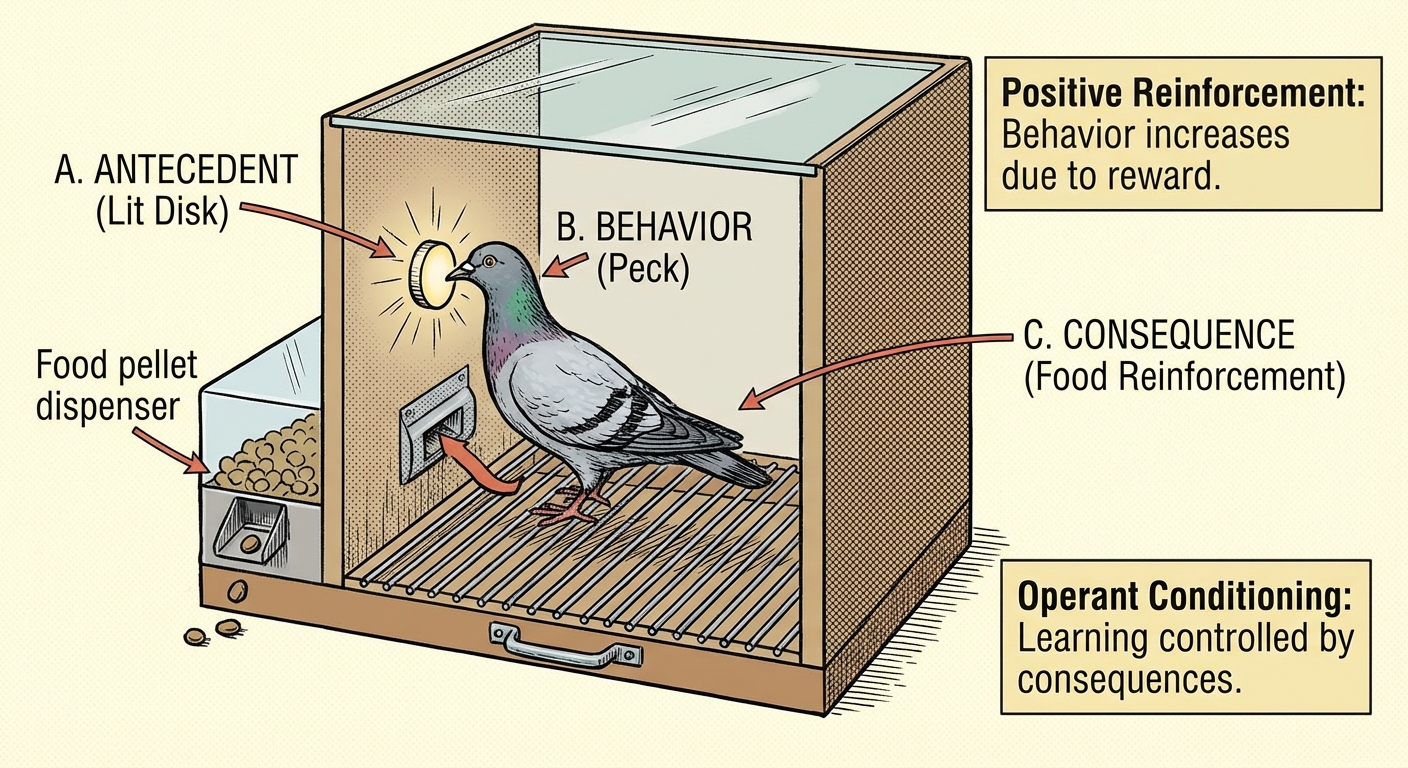
B.F. Skinner's pioneering work with pigeons demonstrated their ability to learn complex tasks through operant conditioning. In Skinner’s experiments, pigeons were trained to peck a target to receive food rewards, maintaining this behavior despite loud noises, simulated high altitude, and G-forces.
Rescue Application:
- This shows pigeons’ high behavioral tenacity, which can be harnessed in rehabilitation to encourage feeding and interaction.
- When rescuing stressed or injured pigeons, gradual conditioning with positive reinforcement can rebuild their confidence and feeding behaviors.
Case Study 2: Cognitive Flexibility in Discrimination Tasks
A recent study tested pigeons on a forced choice discrimination task involving acquisition, extinction, and renewal phases in different contexts. Pigeons successfully learned to distinguish novel stimuli and extinguished responses when conditions changed, demonstrating significant cognitive flexibility.
Rescue Application:
- Pigeons’ ability to adapt to new environments and learn new cues suggests that rescue environments should include varied stimuli to encourage mental engagement.
- Changing contexts gradually during rehabilitation can help pigeons adjust to the transition from captivity back to the wild.
Case Study 3: Cognitive Biases and Learning Patterns
Research into pigeon cognition reveals parallels with human biases, such as justification of effort and base rate neglect. Pigeons show complex learning behaviors, including temporal discrimination and conditional responses based on context.
Rescue Application:
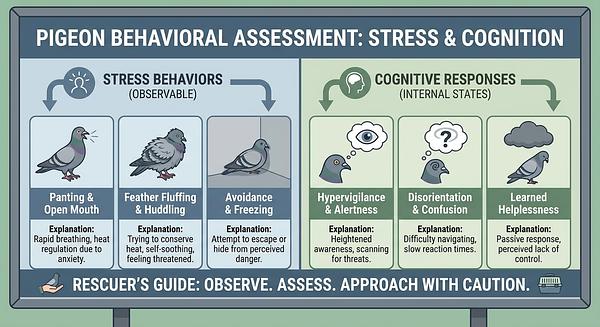
- Recognizing these cognitive patterns can improve how rescuers interpret pigeon behavior, distinguishing between stress responses and learned behaviors.
- Training protocols can be designed to respect pigeons’ natural learning tendencies, improving cooperation in care.
Case Study 4: Selective Attention and Environmental Interaction
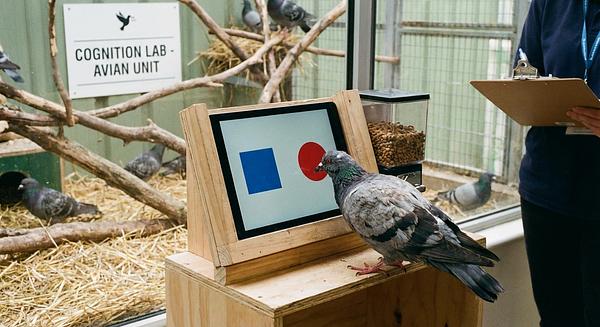
Studies with touchscreens have shown pigeons can selectively attend to relevant stimuli while ignoring irrelevant information, much like humans do. This indicates advanced perceptual and cognitive abilities.
Rescue Application:
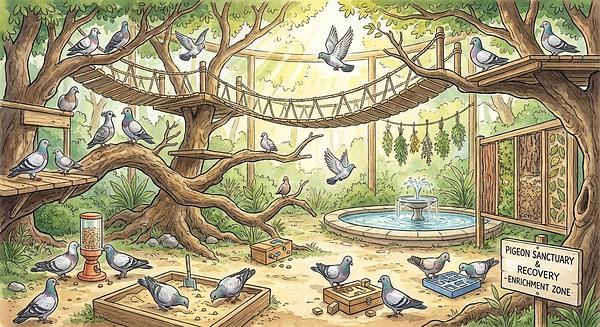
- Enriching rescue aviaries with stimuli that engage pigeons’ selective attention can reduce boredom and stress.
- Caregivers can use visual and tactile cues to encourage natural foraging and problem-solving behaviors.
Practical Advice for Rescuers Based on Behavioral Insights
- Positive Reinforcement Training: Use food rewards to encourage feeding and interaction, exploiting pigeons’ operant conditioning capabilities.
- Gradual Environmental Changes: Mimic the extinction and renewal phases by slowly altering the environment to prepare pigeons for release.
- Cognitive Enrichment: Provide toys, puzzles, or foraging opportunities that stimulate pigeons’ learning and attention.
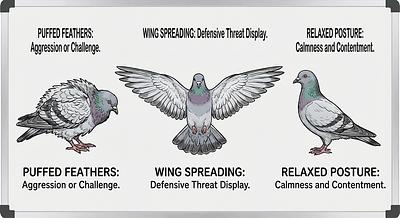
- Behavioral Observation: Monitor for signs of learned behaviors vs. stress-induced actions to tailor care effectively.
Conclusion
Understanding pigeon behavior through rigorous scientific studies and practical rescue experiences reveals their sophisticated cognitive abilities and resilience. Caregivers who apply these insights can greatly improve the outcomes for rescued pigeons, promoting recovery and successful reintegration.
This comprehensive approach combining research findings with real-world applications equips rescuers with knowledge to better support pigeon welfare.
💬 Comments (0)