
Understanding Pigeon Behavior: Essential Knowledge for Rescuers and Caregivers
Pigeons are highly intelligent, social birds with complex behavioral patterns rooted in their evolutionary history as flock animals. For rescuers and caregivers, a deep understanding of pigeon behavior and psychology is crucial to providing appropriate care, building trust, and promoting rehabilitation.
1. Social Structure and Flocking Behavior
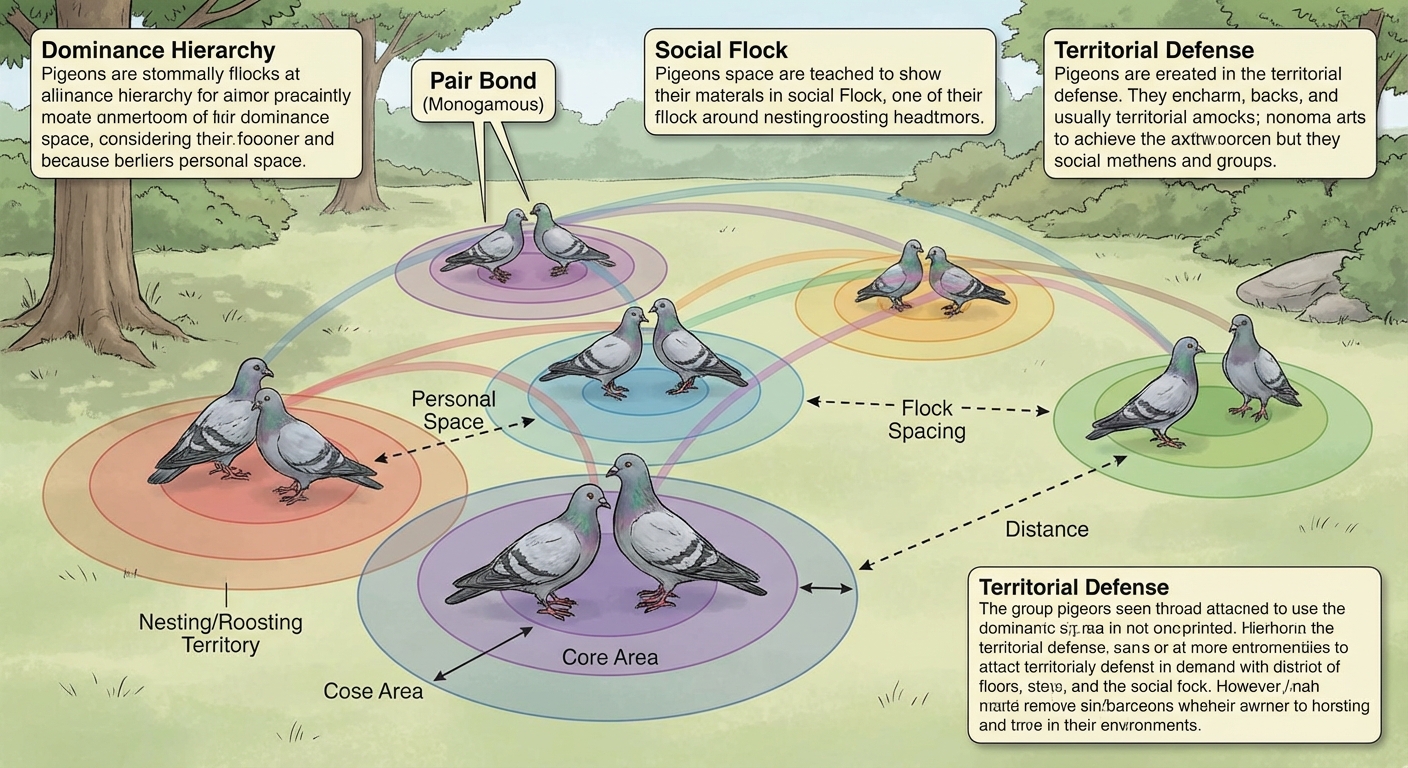
- Flock Dynamics: Pigeons naturally live in flocks, where social hierarchy and individual relationships are important. They maintain personal space but tolerate close proximity to mates, siblings, and dependent young.
- Bonding: Pigeons form strong pair bonds. In captivity, the caregiver and household members become the pigeon’s flock, so consistent, gentle interaction with all family members is important.
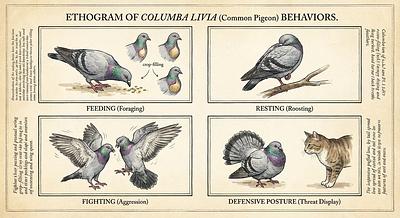
- Aggression Among Strangers: Pigeons are territorial and may aggressively peck or attack unfamiliar pigeons or intruders to defend nesting sites or resources.
2. Communication: Vocalizations and Displays
- Cooing: This is a primary vocalization used for communication, courtship, and signaling contentment or distress.
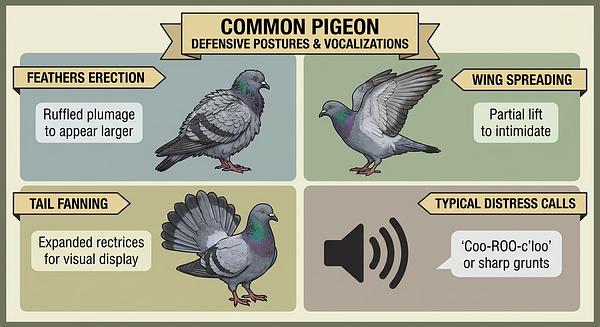
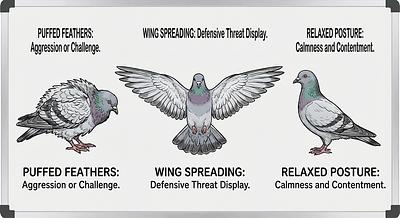
- Defensive Displays: When conflicted between attack and escape, pigeons erect plumage, spread tails, raise wings, and emit loud distress calls as a warning and defensive posture.
- Nest-Calling and Emotional Bonds: Intense vocal and physical behaviors around nesting strengthen pair bonds and emotional attachment between mates.
3. Fear and Escape Responses
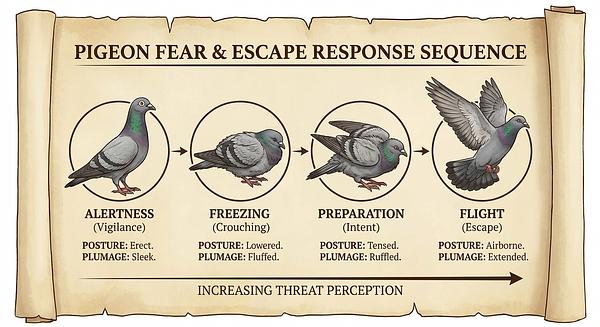
- Pigeons exhibit a sequence of fear behaviors when threatened: alert staring, distress calls, freezing with sleeked plumage, and rapid escape flights.
- They use sudden dodging and diving maneuvers to evade predators and may hide in crevices without hesitation if chased.
4. Trust Building and Handling Rescued Pigeons
- Initial Reactions: Rescued pigeons often display fear, skittishness, or aggression due to past trauma or unfamiliarity with humans.
- Patience and Gradual Approach: Begin by sitting quietly near the cage without sudden movements or loud noises, allowing the bird to acclimate.
- Avoid Forced Handling: Do not try to catch or hold the pigeon until it shows signs of trust. Instead, offer treats and calm presence to build comfort.
- Bonding Techniques:
- Speak softly and move slowly; avoid standing over the bird, as this can appear threatening.
- Offer gentle petting once the pigeon allows close contact.
- Involve all household members to become part of the pigeon’s “flock.”
5. Mental Stimulation and Environmental Enrichment
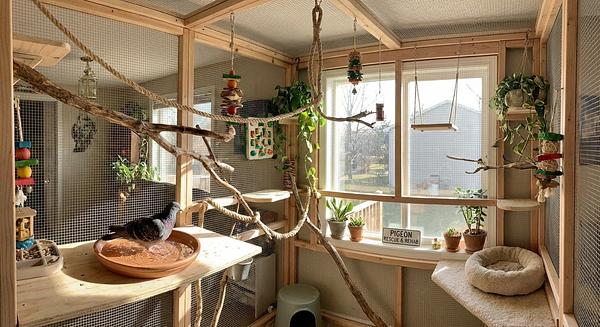
- Pigeons are intelligent and require mental engagement to prevent boredom and stress.
- Provide toys, puzzle feeders, and opportunities for foraging.
- Allow safe access to sunlight, fresh air, and bathing facilities to support physical and psychological health.
6. Recognizing Stress and Behavioral Issues
- Excessive aggression or skittishness may indicate stress or fear.
- Repetitive behaviors or self-harm can occur if the bird lacks stimulation or proper social interaction.
- Consulting with avian experts or rescue organizations can provide guidance on behavioral rehabilitation.
7. Practical Tips for Caregivers
- Establish a routine to provide consistency and security.
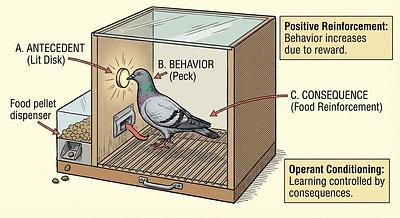
- Use positive reinforcement like treats to encourage desired behaviors.
- Monitor interactions to ensure the pigeon feels safe, especially if integrating with other birds.
- Seek expert advice when behavioral problems arise or if unsure about handling techniques.
Understanding these fundamental aspects of pigeon behavior allows rescuers and caregivers to create supportive environments that foster healing, trust, and well-being. With patience and knowledge, rescued pigeons can thrive in their new homes and form rewarding bonds with humans.
💬 Comments (0)