
Understanding Pigeon Behavior: Challenges and Solutions in Rescue and Care
Rescuing pigeons involves more than providing basic care; it requires a deep understanding of their unique behaviors and psychology. Pigeons are highly intelligent, social birds with complex emotional and social needs. This article explores common behavioral challenges faced by rescuers and caregivers, offering practical strategies to foster trust, reduce aggression, and enrich mental well-being.
1. The Nature of Pigeon Behavior
Pigeons are flock animals with strong social bonds and clear communication signals. Their behavior includes:
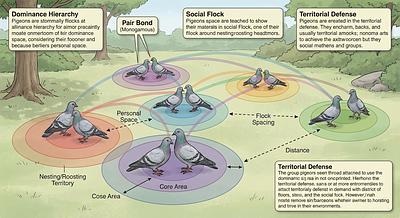
- Territoriality: Pigeons maintain individual space and can be aggressive toward trespassers, including other pigeons or humans if threatened.
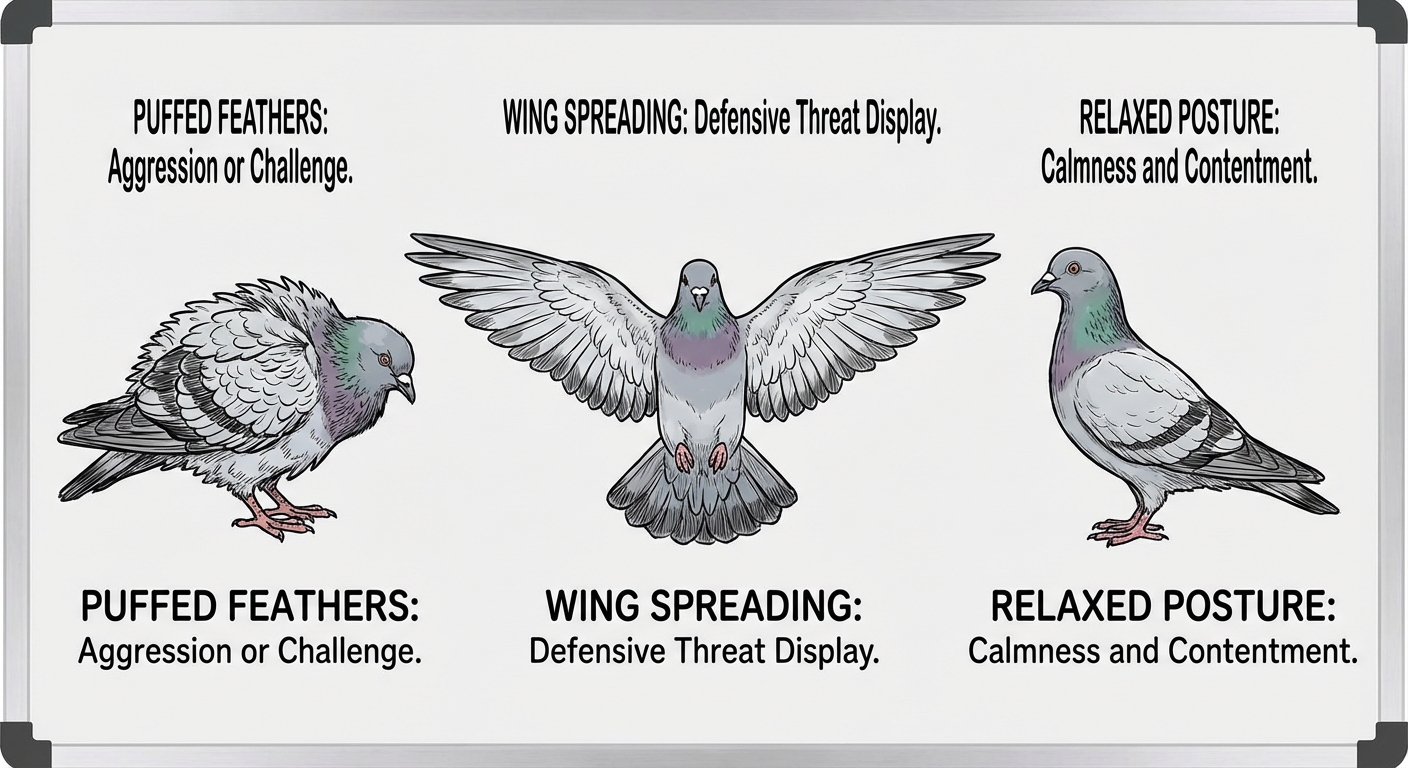
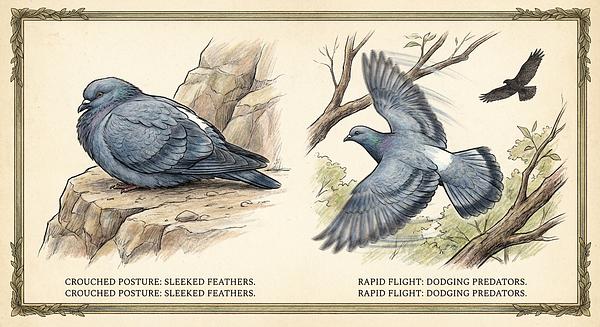
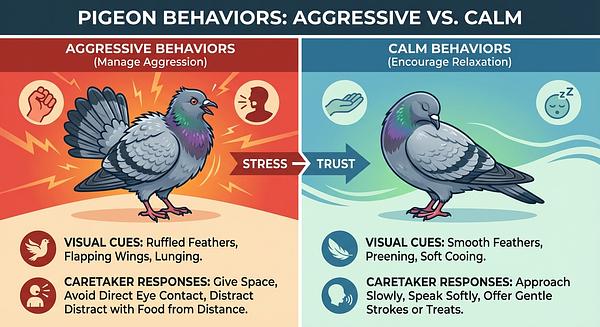
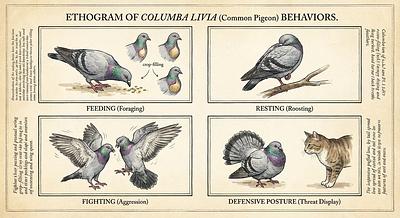
- Escape and Fight Responses: When sensing danger, pigeons exhibit freezing, distress calls, rapid flight with dodging, or defensive threat displays such as plumage erection and wing spreading.
- Social Bonding: Behaviors like allo-preening (mutual grooming) and nest-calling cement emotional bonds, reflecting high social intelligence.
Understanding these natural behaviors is essential for anticipating and managing challenges in rescue settings.
2. Common Behavioral Challenges in Rescue Pigeons
2.1 Fear and Skittishness
Rescued pigeons often arrive scared due to past trauma or unfamiliar environments. They may freeze, hide, or flee, making handling difficult.
How to Overcome:
- Approach slowly and quietly, avoiding sudden movements.
- Initially keep distance; sit calmly near the cage without interaction to build familiarity.
- Use soft, consistent vocal tones.
- Avoid forcing handling until the bird shows signs of trust.
2.2 Aggression
Some pigeons display aggression, pecking or wing-flapping defensively, often when they feel cornered or threatened.
How to Overcome:
- Avoid immediate handling; allow the pigeon to acclimate.
- Use gradual desensitization by spending quiet time nearby.
- Provide ample space to reduce stress.
- Gradually introduce gentle petting and holding once trust develops.
2.3 Bonding Difficulties
Pigeons are naturally social but may be wary of humans, especially if isolated or previously neglected.
How to Overcome:
- Treat yourself and household members as the pigeon’s flock.
- Encourage interactions with all regular caregivers to build a sense of safety.
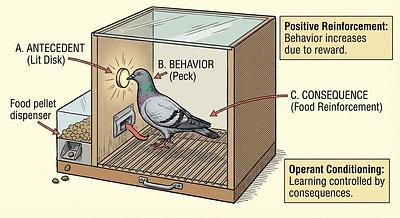
- Use positive reinforcement, such as treats and gentle petting.
- Handle the pigeon calmly and respectfully, minimizing any sense of threat.
3. Practical Strategies for Behavioral Enrichment
3.1 Mental Stimulation
Pigeons are intelligent and need engagement to prevent boredom, which can exacerbate negative behaviors.
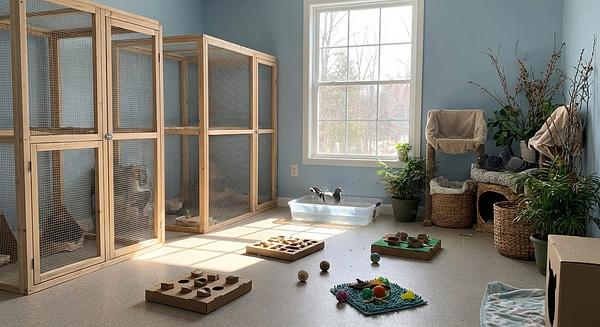
- Provide toys, puzzles, and safe places to explore.
- Hide small treats to encourage natural foraging behaviors.
- Offer bathing opportunities, as pigeons enjoy and need to bathe regularly.
- Ensure access to fresh air and sunlight to support physical and mental health.
3.2 Safe Environment Setup
- Create a quiet, secure space with proper lighting and temperature.
- Minimize exposure to sudden loud noises or chaotic activity.
- Maintain consistent routines to reduce anxiety.
3.3 Social Integration
- Whenever possible, keep pigeons in pairs or groups to maintain natural social structures.
- If alone, increase human interaction to substitute for flock companionship.
4. Handling and Trust Building Techniques
- Always move slowly and speak softly when near the pigeon.
- Begin by sitting at eye level without direct interaction.
- Gradually extend a finger with a treat, allowing the pigeon to approach on its own terms.
- Avoid grabbing or forcing contact; instead, encourage voluntary interaction.
- Use gentle petting on the head or neck once the pigeon is comfortable.
5. Recognizing and Respecting Emotional States
- Watch for signs of stress such as puffed feathers, loud distress calls, or aggressive postures.
- Allow retreat space and avoid confrontation.
- Understand that some defensive displays stem from conflicting impulses to flee and defend.
- Patience is crucial; emotional bonds develop over weeks or months, not days.
6. When to Seek Expert Help
- Consult pigeon rescue organizations or avian veterinarians if behavioral issues persist.
- Experts can provide tailored rehabilitation plans, medical evaluations, and enrichment recommendations.
Rescuing pigeons is a rewarding but challenging endeavor that demands an informed, empathetic approach to their behavior. By understanding their natural instincts, addressing fear and aggression patiently, and providing enriching environments, caregivers can foster trust and promote lasting well-being for these remarkable birds.
💬 Comments (0)