
Understanding Pigeon Behavior: A Step-by-Step Guide for Rescuers and Caregivers
Pigeons are complex birds with distinct behavioral patterns shaped by their instincts, social structures, and interactions with their environment. For rescuers and caregivers, understanding these behaviors is crucial for effective rehabilitation, bonding, and care.
1. Recognizing Natural Pigeon Behaviors
Feeding Habits
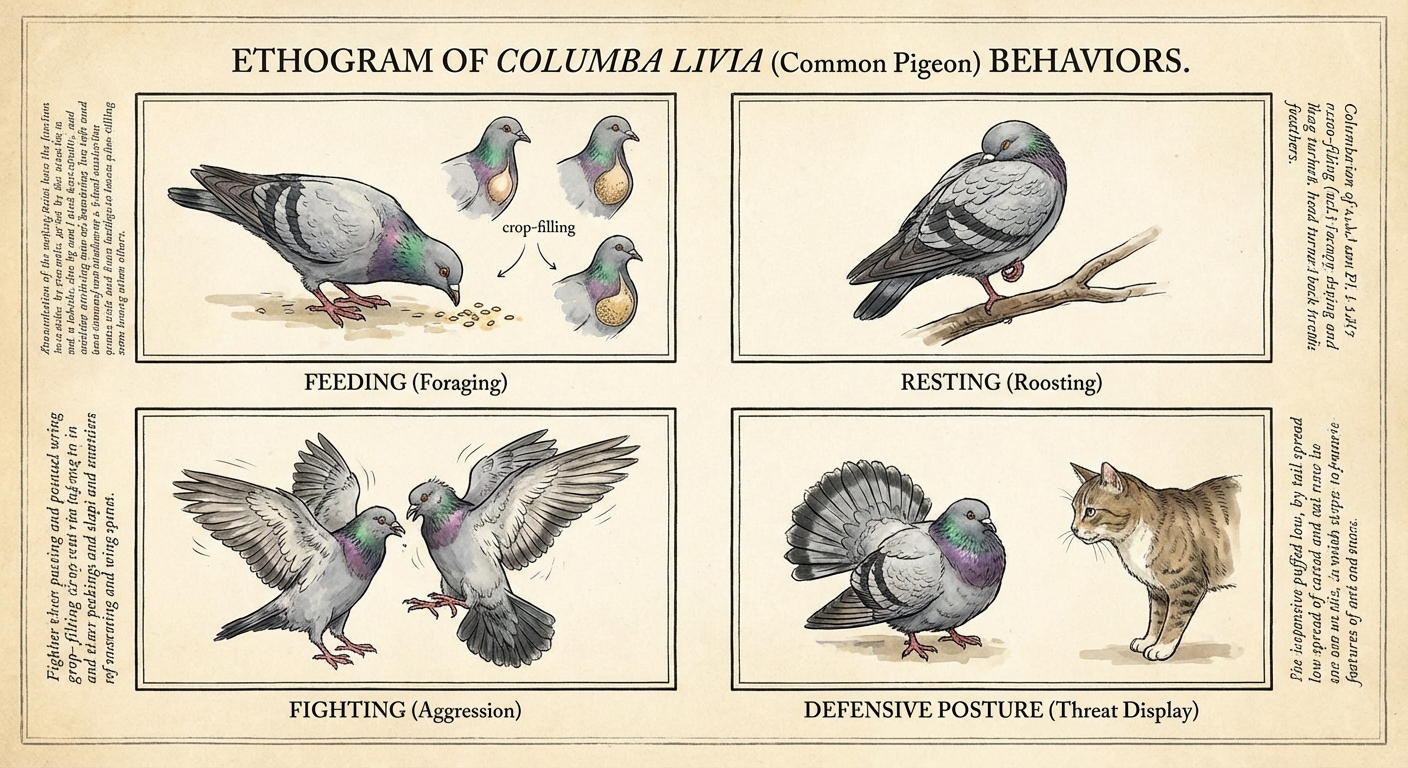
- Pigeons primarily forage on the ground, feeding on seeds and occasionally small snails or berries.
- They drink by sucking up water rather than dipping their beaks.
Social Structure and Aggression
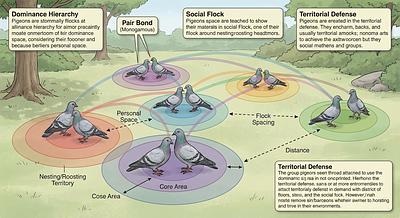
- Pigeons maintain individual space when resting, and will peck or coo defensively if others encroach, except for mates, dependent young, or siblings.
- Aggressive behaviors include fighting on ledges where they attempt to dislodge opponents by pulling and pushing.
- Intruders are attacked if they do not retreat after initial aggressive signals.
Defensive and Escape Responses
- When threatened, pigeons exhibit several consecutive behaviors: anxious eyeing, distress calls, freezing with sleeked plumage, and rapid flight.
- They may dive into holes or crevices without caution when escaping predators.
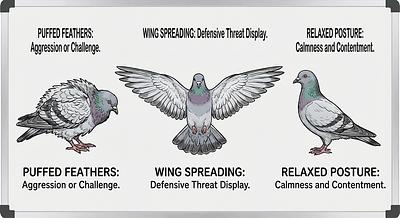
- Defensive threat displays include erecting plumage, spreading tails, raising wings, loud distress calls, and wing strikes; these indicate fear mixed with aggression.
2. Step-by-Step Guide to Interpreting and Responding to Pigeon Behavior
Step 1: Observe from a Distance
- Watch the bird’s posture and vocalizations.
- Signs like plumage erection and distress calls indicate stress or fear.
Step 2: Approach Calmly and Slowly
- Avoid sudden movements or loud noises.
- Allow the pigeon to acclimate to your presence gradually.
Step 3: Build Trust Through Consistency
- Spend quiet time near the bird without forcing interaction.
- Use soft cooing sounds to communicate non-threatening intent.
Step 4: Introduce Handling Gently
- Start with brief, gentle touches or hand-feeding treats.
- Use two hands to support the bird if capturing is necessary, spreading fingers to prevent wing escape while avoiding pressure.
Step 5: Provide Environmental Enrichment
- Offer toys like plush hanging punching bags for play-fighting to reduce aggression and boredom.
- Ensure access to bathing facilities and sunshine.
Step 6: Facilitate Social Interaction
- If possible, maintain companionship with other pigeons or consider yourself the flock surrogate.
- Recognize that pigeons are flock animals and social interaction reduces stress.
3. Understanding Specific Behaviors in Rescue Context
Handling Skittish or Aggressive Pigeons
- Avoid forcing contact; patience is vital.
- Begin by approaching the cage quietly and gradually reducing distance over days or weeks.
- Use treats and calm speech to encourage positive associations.
Reading Body Language for Welfare
- Relaxed pigeons may flop on their belly or tuck one leg under feathers, indicating safety and comfort.
- Defensive postures with raised feathers and wing strikes suggest fear; do not force interaction at this stage.
Addressing Underemployed Pigeon Syndrome (UPS)
- Pigeons deprived of social or physical stimulation may become aggressive or frustrated.
- Implement regular play sessions using safe toys to channel energy positively.
4. Practical Tips for Caregivers
- Always speak softly and avoid looming over the pigeon; sit down and lower yourself to appear less threatening.
- Respect the pigeon’s limits; some may never enjoy being held but can still bond through non-invasive interaction.
- Maintain clean and safe environments with appropriate hiding spots and perches.
Understanding pigeon behavior through these detailed steps enables rescuers and caregivers to provide compassionate, effective, and tailored care. Observing natural instincts and social cues allows for improved trust-building, stress reduction, and ultimately, successful rehabilitation and companionship.
💬 Comments (0)