
Understanding Pigeon Behavior: Advanced Insights for Effective Rescue and Care
Pigeons, often underestimated in their behavioral complexity, exhibit a rich repertoire of social, defensive, and emotional behaviors that are crucial for rescuers and caregivers to understand for effective rehabilitation and bonding. This article delves into advanced techniques and best practices for interpreting and working with pigeon behavior, going beyond basic care to foster trust, stimulate mental well-being, and create optimal environments for rescued pigeons.
1. Social Structure and Communication
Pigeons are inherently social, flock-oriented birds with distinct behavioral patterns that revolve around hierarchy, bonding, and territoriality.
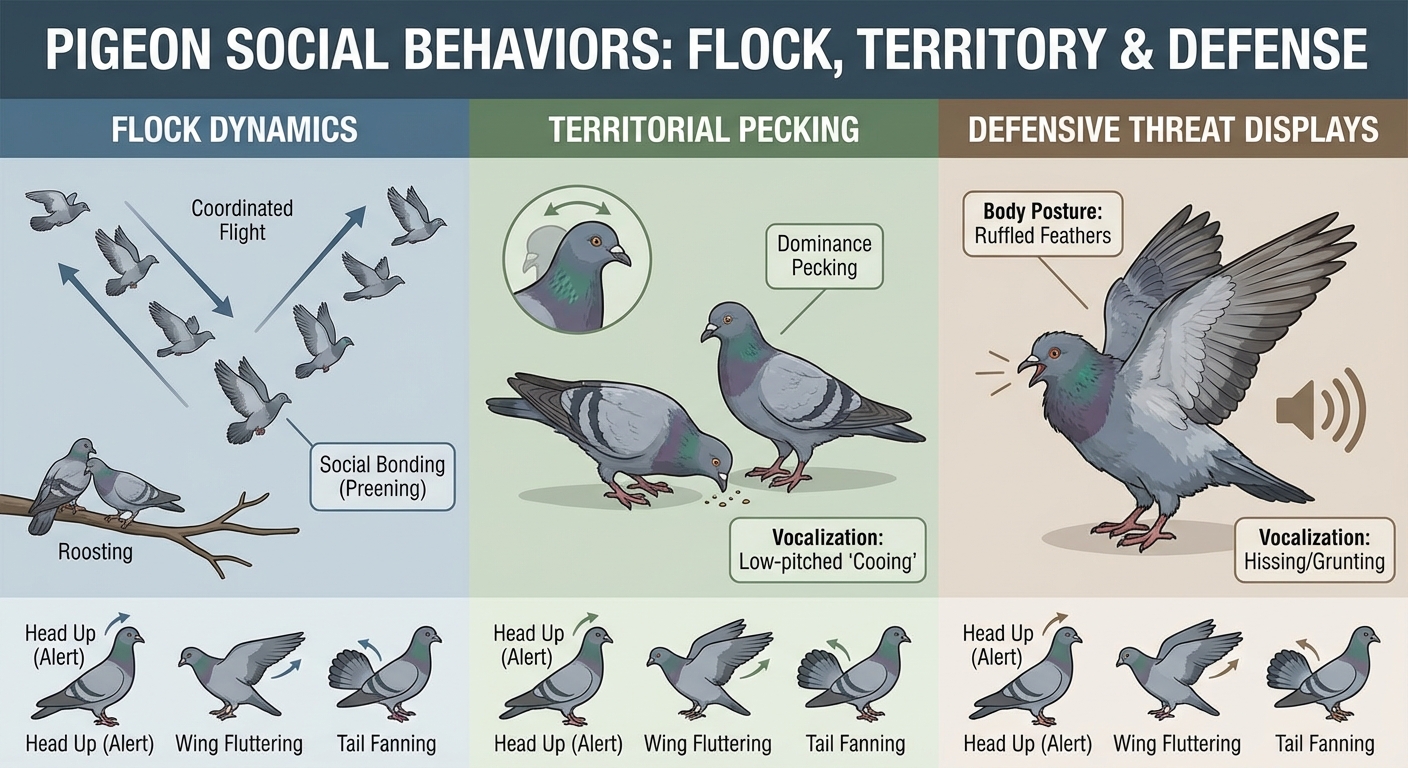
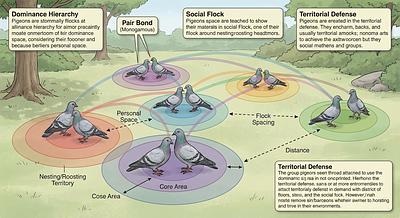
- Flock Dynamics: Pigeons maintain individual spacing but form close bonds, especially with mates, siblings, or offspring. Understanding these social bonds helps rescuers anticipate stress triggers and promote flock-like conditions when possible.
- Territorial Behavior: When resting or roosting, pigeons peck and coo defensively at strangers or trespassers, showing no inhibition in aggressive defense of their space, even towards young or submissive birds. This territoriality should be respected to prevent unnecessary stress or injury.
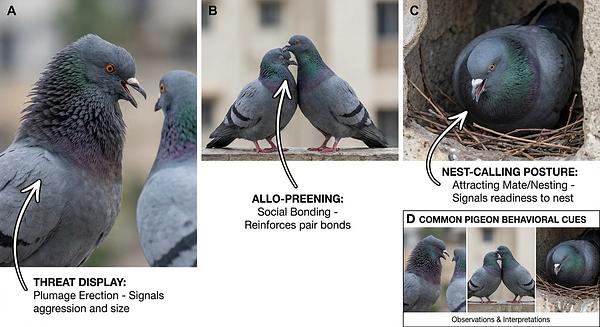
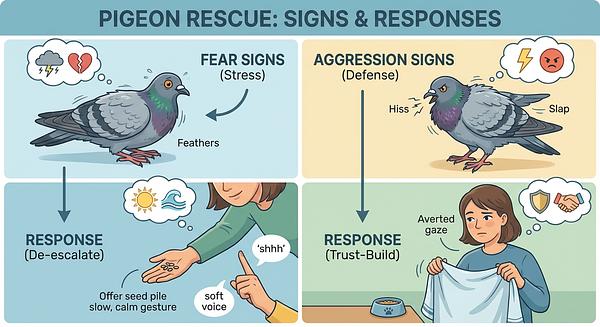
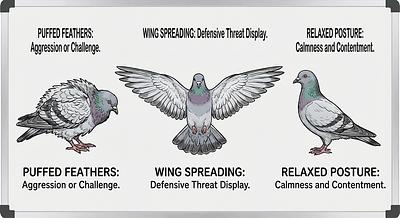
- Vocalizations and Displays: Distress calls, cooing, and defensive threat displays (feather erection, tail spreading, wing raising) signal conflicting impulses to attack or flee. Recognizing these cues enables caregivers to adjust their approach and timing, minimizing fear-induced aggression.
2. Fear and Escape Responses
Rescued pigeons often exhibit strong fear reactions due to previous trauma or unfamiliar environments.
- Typical Responses: Anxiety manifests as freezing, crouching with sleek plumage, or sudden flight with evasive maneuvers. Rescuers should provide safe, quiet spaces allowing pigeons to regain composure without forced handling.
- Predator Avoidance: Pigeons use rapid, agile flight and may dive into crevices without caution when chased. This instinct can be leveraged by providing secure hiding spots in rescue enclosures to reduce stress.
3. Bonding and Trust-Building Techniques
Establishing a trusting relationship with a rescued pigeon requires patience, respect for their instincts, and consistent positive interaction.
- Gradual Approach: Begin by simply being present near the bird’s enclosure without sudden movements or noise. Over time, reduce distance incrementally and introduce gentle handling only once the pigeon appears calm.
- Respectful Handling: Since pigeons dislike being caught, minimizing forced restraint and using calm, steady movements reduces fear and encourages acceptance of human contact.
- Flock Integration: In absence of other pigeons, humans become the flock. Ensure all household members interact positively to provide social stability.
4. Mental and Emotional Enrichment
Pigeons are intelligent and emotionally complex; mental stimulation is essential for their well-being and behavioral health.
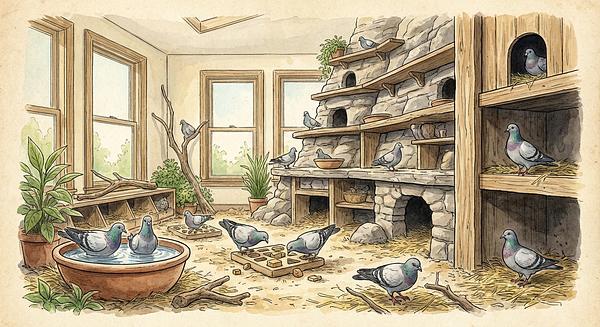
- Environmental Enrichment: Provide opportunities for foraging, bathing, and play with safe toys or hidden treats. Access to sunshine and fresh air supports both physical and psychological health.
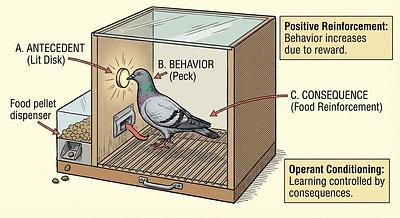
- Therapeutic Interaction: Therapy pigeons demonstrate the species’ capacity for social bonding and emotional resilience. Training sessions that incorporate gentle touch and positive reinforcement help reduce fear and build confidence.
5. Recognizing and Utilizing Specific Behaviors
Advanced caregivers observe nuanced behaviors to tailor care and intervention:
| Behavior | Meaning/Use | Caregiver Action |
|---|---|---|
| Allo-preening | Mutual grooming to reinforce bonds | Facilitate social interactions or mimic with gentle petting |
| Nest-calling | Intense emotional bonding and reassurance | Support nesting behaviors with quiet, safe spaces |
| Defensive threat display | Indicates fear mixed with aggression, protective stance | Avoid approaching; allow bird to calm before interaction |
6. Handling Aggressive or Skittish Pigeons
Specialized techniques are vital when working with traumatized or aggressive rescues.
- Avoid Forced Contact: Initial avoidance of handling until trust builds prevents escalation of fear or aggression.
- Positive Reinforcement: Use treats and calm voice tones to encourage approach and cooperation.
- Routine and Predictability: Establish consistent feeding and interaction schedules to reduce anxiety.
7. Collaborating with Experts
Due to the complexity of pigeon behavior, consulting with experienced rescuers, avian veterinarians, or ethologists can provide invaluable guidance for challenging cases.
Practical Takeaways for Rescuers:
- Observe pigeons’ body language closely before interacting.
- Create a calm, enriched environment mimicking natural flock conditions.
- Use gradual, patient approaches to build trust.
- Provide mental and emotional stimulation to prevent behavioral issues.
- Seek expert advice when facing complex behavioral challenges.
By integrating these advanced understandings of pigeon behavior, rescuers and caregivers can significantly improve rehabilitation outcomes and foster fulfilling human-pigeon bonds.
💬 Comments (0)