
Pigeon Rescue: Troubleshooting and Problem-Solving in Pigeon Health & Medicine
Rescuing and caring for pigeons involves understanding their unique health challenges and providing appropriate medical intervention. This comprehensive guide focuses on diagnosing common health issues, implementing effective treatments, and managing emergencies to improve rescue outcomes.
Understanding Common Health Issues in Pigeons
1. Dehydration and Shock
Newly rescued pigeons often suffer from dehydration and shock, especially if they have been exposed to the elements or predators. Signs include lethargy, weak posture, and cold extremities.
Troubleshooting:
- Stabilization: Warm the bird gradually using a heat pad for about an hour before feeding.
- Hydration: Provide a glucose solution (e.g., 1 pint warm water mixed with 1/2 tablespoon honey, glucose, or sugar) to supply energy without overwhelming the digestive system.
- Avoid immediate feeding: Feeding before the bird is stable can cause digestive failure or death.
2. Physical Injuries
Pigeons may have wounds from predators or accidents, including bleeding and broken wings.
Problem-solving steps:
- Apply direct pressure with a clean cloth to stop bleeding.
- For bleeding from beak or claws, dipping in cornflour helps clotting.
- Inspect under wings and body for hidden wounds.
- Seek veterinary care for fractures and severe injuries; compound fractures often have poor prognosis.
3. Infectious Diseases
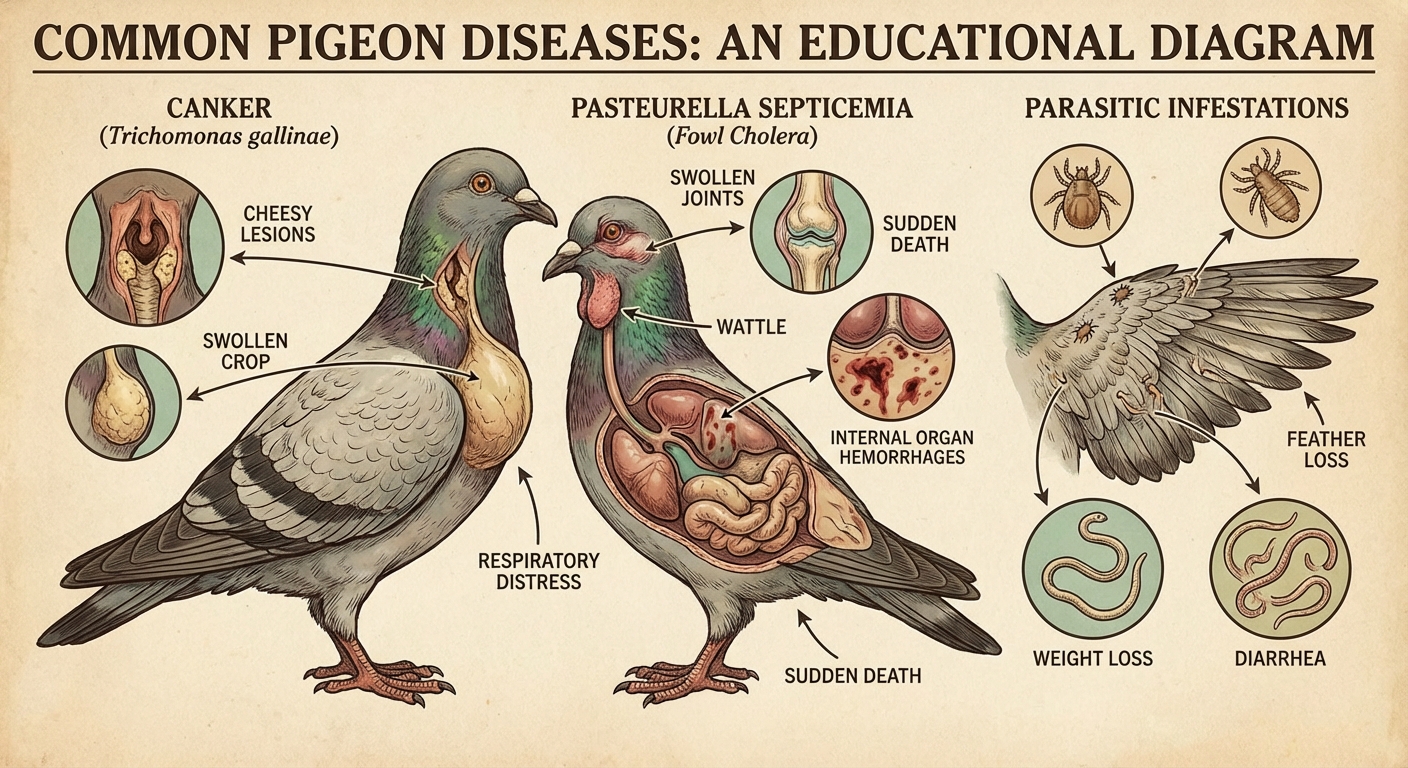
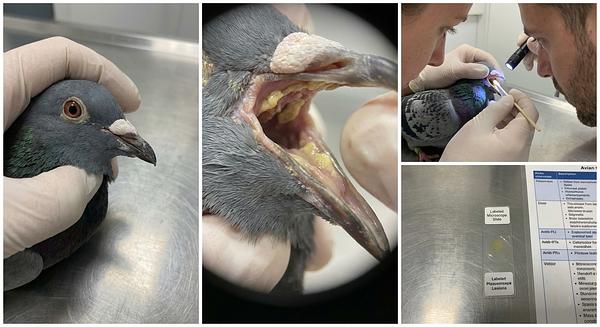
Canker (Trichomoniasis)
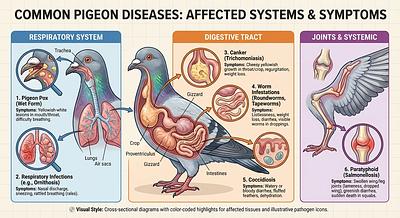
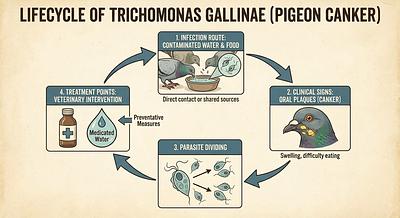
A protozoan infection causing cheesy growths in the mouth and throat, leading to difficulty eating.
Treatment:
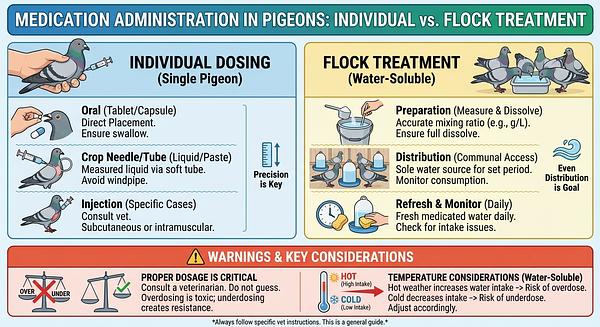
- Administer medications such as Metronidazole, Ronidazole, or combination drugs (Ronsec) specific to canker.
- Treat individually if possible; use water-soluble forms for flocks.
Pasteurella Septicemia
A bacterial infection often from cat bites, causing rapid deterioration.
Action:
- Early antibiotic treatment is critical (amoxicillin with clavulanic acid combinations recommended).
4. Parasites
- Mites and worms are common and can weaken pigeons.
- Use broad-spectrum treatments like Moxidectin Plus that address multiple parasites.
- Medication can be administered individually or via drinking water for groups.
5. Nutritional and Metabolic Disorders
- Emaciation and poor feather quality may indicate metabolic bone disease or other chronic conditions.
- Yellow urates suggest liver or kidney impairment; delay medication until improvement.
Practical Advice for Medical Treatment and Care
Initial Examination and Isolation
- Isolate the rescue pigeon to prevent disease spread.
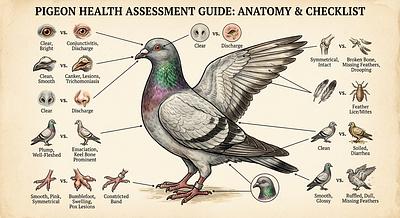
- Perform a thorough physical exam: check mouth, eyes, wings, and vent area.
- Record baseline weight and note any abnormalities.
Stabilizing Before Treatment
- Prioritize warmth and hydration.
- Delay medication until bird shows signs of digestive recovery (normal droppings).
Medication Guidelines
- Dose medications based on body weight for accuracy.
- Use water-soluble medications cautiously in warm weather to avoid overdosing.
- Monitor response and adjust treatment as necessary.
Environmental Management
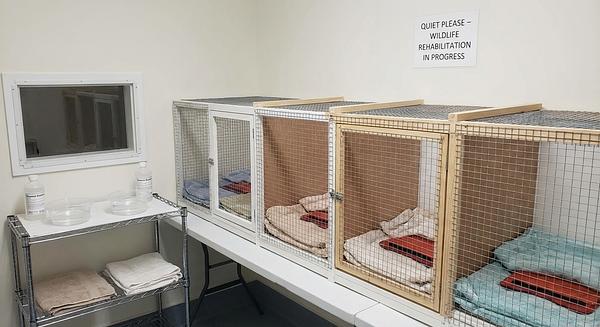
- Maintain a quiet, safe space free from predators.
- Keep the enclosure clean to reduce infection risk.
When to Consider Euthanasia
Certain conditions have poor survival odds and may warrant humane euthanasia, including:
- Compound fractures with exposed bone
- Severe trichomoniasis unresponsive to treatment
- Moribund or moribund individuals with multiple severe injuries
- Juveniles with metabolic bone disease and poor feathering
Consult with a veterinarian or wildlife rehabilitation professional to make informed decisions.
Summary
Effective pigeon rescue requires careful assessment, stabilization, and targeted treatment of health issues. Prioritizing hydration and warmth before feeding or medicating is critical. Understanding common infections, injuries, and parasites helps rescuers troubleshoot problems efficiently. Maintaining a clean, safe environment and knowing when euthanasia is the humane option completes responsible pigeon care.
References
- Stabilising a Rescue - Pigeon And Dove Rescue UK
- Basics of Preventive Care for Pigeons and Doves - Palomacy
- Humane World for Animals on pigeon management
- RSPCA Wildlife Rehabilitation Protocol: Pigeons
💬 Comments (0)