
Advanced Pigeon Health & Medicine: Best Practices for Rescuers and Caregivers
Pigeons are resilient birds but susceptible to a range of diseases and health issues that require vigilant care, especially in rescue or rehabilitation settings. Advanced knowledge in pigeon health and medicine is essential to ensure their recovery and long-term wellbeing. This article explores detailed health challenges, diagnostic strategies, and treatment methodologies designed for rescuers and caregivers aiming to provide the highest standard of medical care.
Understanding Common Pigeon Health Issues
Infectious Diseases
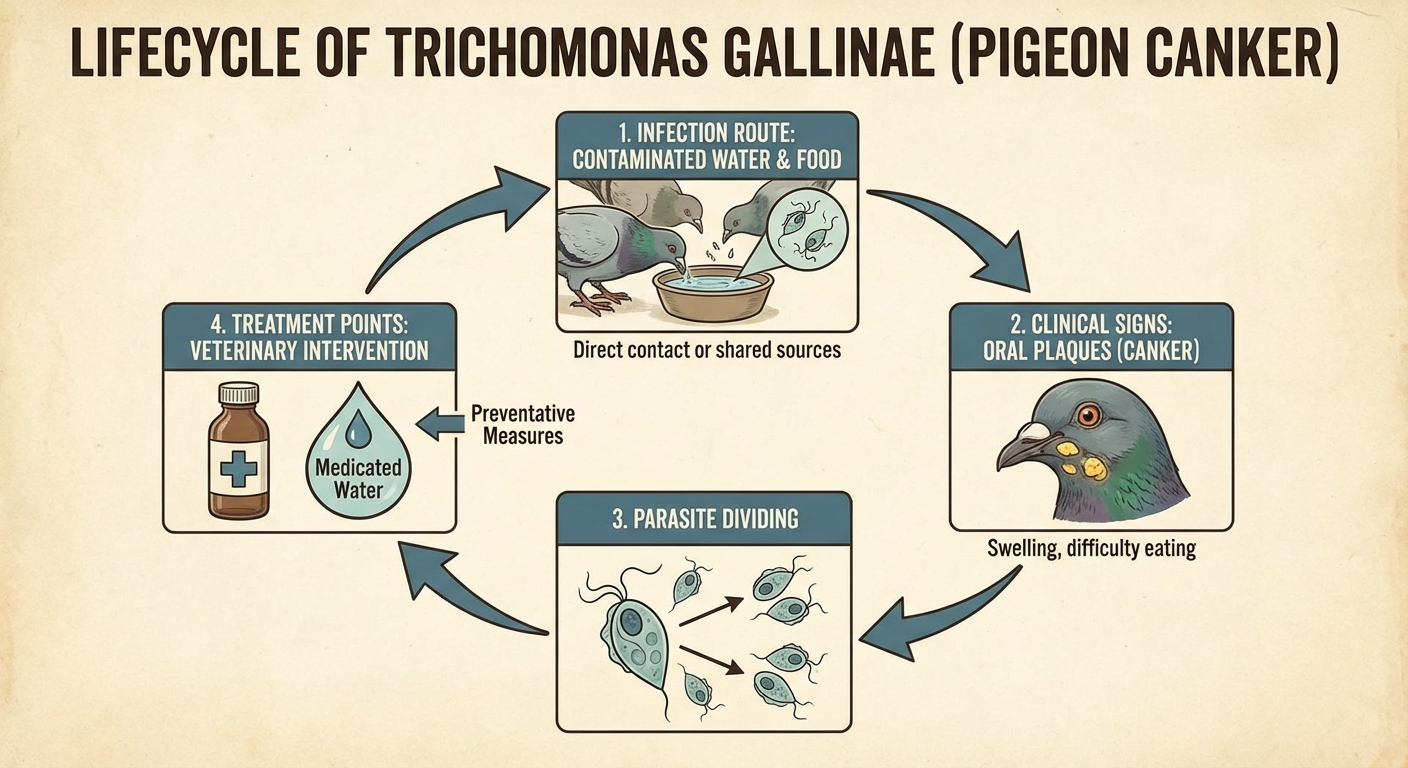
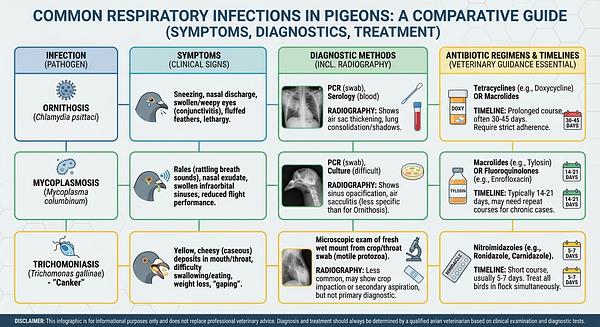
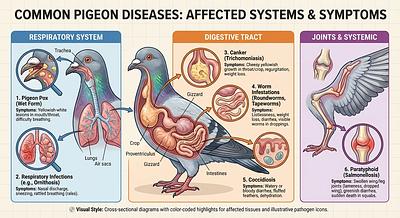
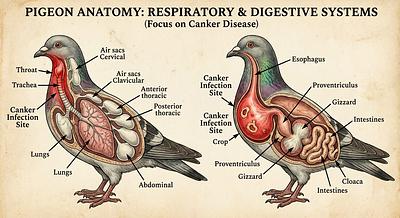
Canker (Trichomoniasis): Caused by Trichomonas parasites, it frequently affects young pigeons leading to lesions in the mouth and upper digestive tract. Advanced treatment includes a 4–5 day course of ronidazole or substituted medications such as Emtryl or Spartrix to prevent resistance. Treatment timing is critical; early-week administration allows recovery before racing or release.
Respiratory Infections: Often bacterial, caused by agents like Mycoplasma or Chlamydia. Treatment protocols recommend doxycycline alone or combined with tylosin and spiramycin, administered for 4–10 days based on severity. Completing antibiotic courses before stressful events, like transport or races, and following with probiotics supports recovery.
Paratyphoid (Salmonella): Vaccination via autogenous vaccines is recommended for specific loft strains. Salbac from Biomune is a popular preventive treatment. Diagnosis can be complex, requiring veterinary input.
Parasitic Infestations
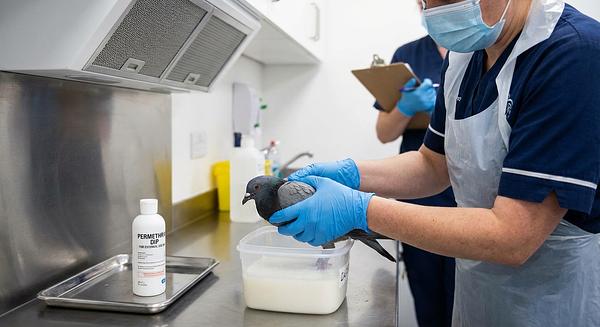
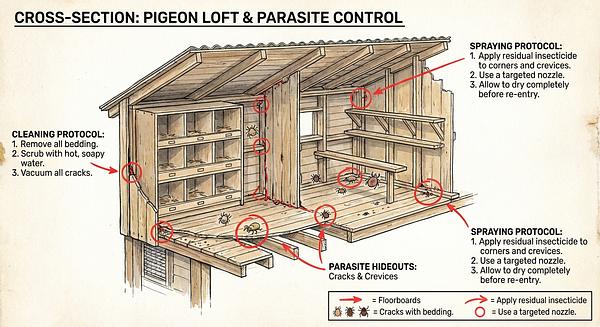
External Parasites (Lice, Mites): Effective eradication involves both bird and loft treatment. Permethrin dips eliminate lice on birds, while loft spraying targets mites residing in cracks. Regular monitoring prevents reinfestation.
Internal Parasites (Coccidia, Worms, Tapeworms): Coccidiosis is controlled by daily loft scraping and medications like toltrazuril or Sulmet. Worms require ivermectin dosing, while tapeworms respond to praziquantel or droncit. Treatment schedules must consider lifecycle timing to prevent re-infection.
Blood Parasites
- Haemoproteus: Spread by pigeon flies, it causes anemia and reduced performance. Control focuses on vector control and preventative treatment with Atabrine administered two weeks pre-season and weekly during active seasons.
Advanced Diagnostic and Treatment Techniques
Diagnostic Tools
Microscopic Examination: Regular microscopic screening of droppings and feather bases for parasites and pathogens is essential for early detection.
Radiography and Anesthesia: Isoflurane anesthesia can be safely used to obtain diagnostic radiographs in dyspneic pigeons to assess respiratory or skeletal issues.
Probiotics and Microbiome Management: Use of species-specific probiotics (e.g., Benebac or Primilac) supports digestive health, especially after antibiotic treatment.
Medication Strategies
Individual vs. Flock Treatment: Prefer individual bird treatment unless infections affect more than 5% of the flock to avoid unnecessary drug exposure and resistance development.
Medication Rotation: To prevent drug resistance, substitute every third or fourth canker treatment with an alternative medication regimen (e.g., Spartrix or Ronsec tablets).
Combination Therapy: Combining ronidazole with doxycycline-based respiratory medications optimizes treatment of concurrent infections.
Fluid Therapy: Oral administration of 5% dextrose solution is more effective for rehydration in pigeons than lactated Ringer’s. Intraosseous fluid administration offers a less stressful alternative to venipuncture in emergencies.
Loft Management and Preventative Care
Hygiene: Maintain a clean, dry, and well-ventilated loft to reduce pathogen load. Daily scraping of droppings prevents coccidia maturation.
Crowding: Avoid overcrowding to reduce stress and disease transmission.
Vaccination: Recommended for diseases like pigeon pox and paratyphoid, especially in lofts with prior outbreaks.
Parasite Control: Schedule periodic parasite treatments and loft disinfections to maintain parasite-free environments.
Practical Advice for Rescuers and Caregivers
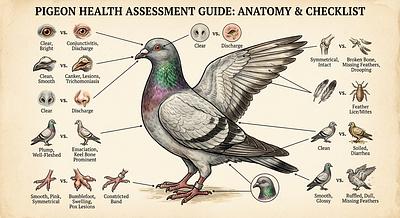
Early Detection: Regular health monitoring including weight checks, droppings observation, and behavioral changes.
Record Keeping: Document treatments, symptoms, and responses to tailor future care.
Consult Veterinary Experts: When possible, collaborate with avian veterinarians for accurate diagnosis and treatment plans.
Nutrition: Feed a balanced diet with quality seed mixes, grains, and pellets to support immune function.
Stress Minimization: Stress suppresses immunity; provide safe, quiet recovery spaces.
Advanced pigeon health management requires an integrated approach combining preventive strategies, precise diagnostics, judicious medication use, and optimal loft management. Applying these best practices enhances recovery outcomes and supports the long-term health of rescued pigeons, facilitating their successful rehabilitation and release.
💬 Comments (0)