
Pigeon Rescue: Health & Medicine Focused on Case Studies and Practical Care
Rescuing and rehabilitating pigeons requires detailed knowledge of their specific health issues, diseases, and effective medical treatments. This article explores real-world examples and case studies to provide rescuers and caregivers with practical insights and actionable advice for pigeon health management.
Common Health Issues in Rescued Pigeons
Pigeons, especially those rescued from urban or wild environments, often suffer from a variety of health problems:
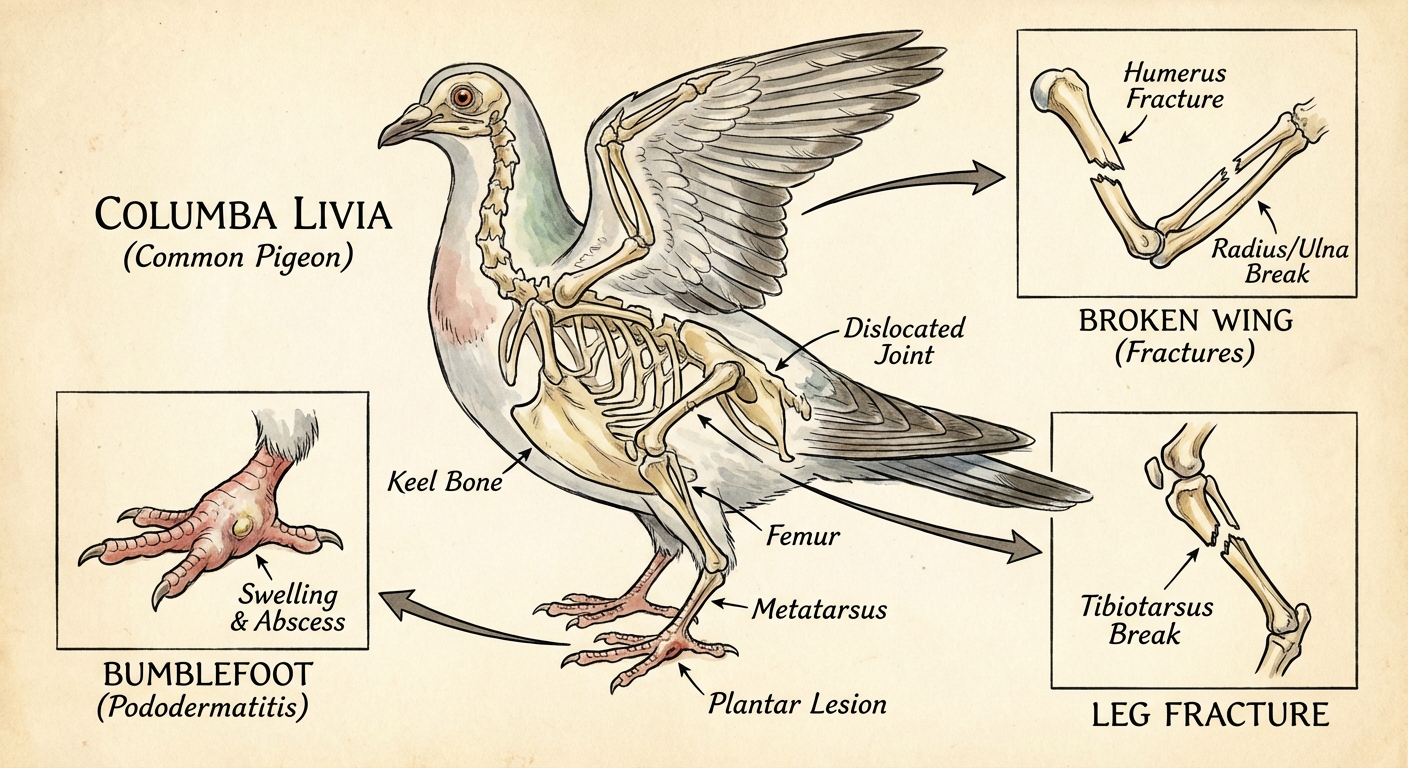
Trauma and Injuries: Broken limbs, wing injuries, and bruises often result from collisions or predator attacks. For example, a racing pigeon named Aurora suffered a broken leg and severe bumblefoot due to improper housing, requiring veterinary intervention and surgical repair.
Bumblefoot: A painful infection caused by unsanitary or wire flooring, frequently seen in captive or injured pigeons.
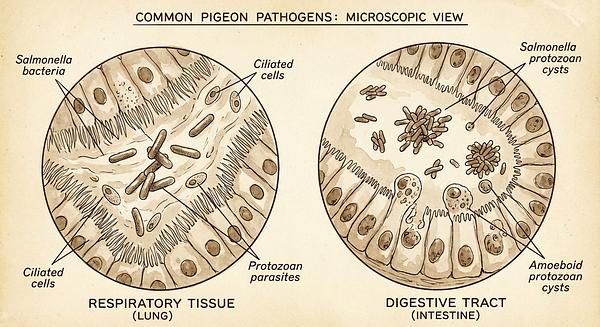
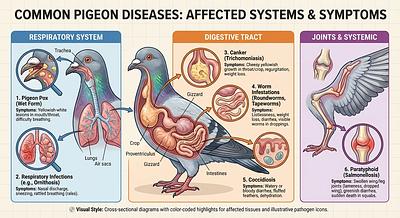
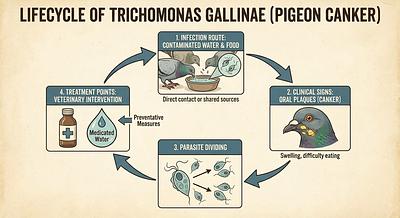
Infectious Diseases: Bacterial infections (e.g., Salmonella, Enterobacteriaceae), fungal infections (yeast), and protozoan diseases are common. These may present as systemic inflammation or localized lesions.
Respiratory and Hepatic Conditions: Pulmonary hemorrhage and hepatitis are often detected post-mortem but can be suspected clinically in ill pigeons.
Nutritional Deficiencies and Dehydration: Common in orphaned or neglected birds, contributing to poor recovery outcomes.
Case Studies Highlighting Pigeon Health Challenges and Treatments
Case Study 1: Aurora’s Recovery from Trauma and Bumblefoot
Aurora, a young racing pigeon, was found with a broken leg that had healed improperly and severe bumblefoot caused by wire cage flooring. After rescue, she received proper nutrition, pain management, wound care, and veterinary consultation for potential surgical correction. Her case underscores the importance of:
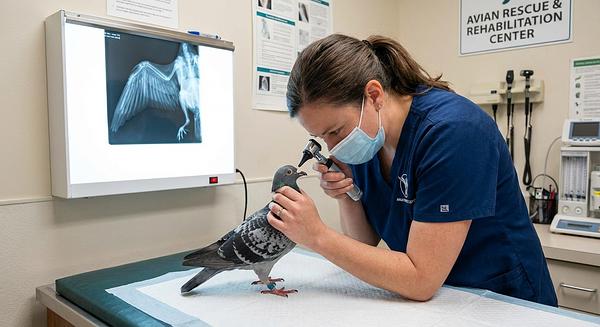
- Immediate veterinary assessment including X-rays
- Appropriate pain relief
- Proper housing to prevent pressure sores and infections
- Long-term rehabilitation planning
Case Study 2: Infectious Disease Screening and Treatment
A study of rescued wild birds in Korea revealed a high prevalence of inflammatory diseases, often overlooked during initial admission. In pigeons, infections with Salmonella species causing septic arthritis and systemic inflammation were documented. The study emphasizes:
- The need for infectious disease screening in rescued pigeons
- Early recognition of signs like anemia, leukocytosis, and dehydration
- Use of diagnostic tests (fecal exams, bloodwork, cultures)
- Tailored antibiotic and supportive therapies based on bacterial sensitivity
Case Study 3: Rescue and Care of Orphaned and Deformed Birds
Sugar’s story illustrates challenges with congenital deformities leading to immobility and poor prognosis. Despite this, with expert care, some birds can be rehabilitated or humanely euthanized if quality of life is compromised. This highlights:
- The importance of humane assessment
- The role of specialized pigeon rescue groups with veterinary support
- The need for foster homes equipped to manage complex cases
Practical Medical Treatments and Care Recommendations
For rescuers and caregivers, the following strategies ensure improved outcomes:
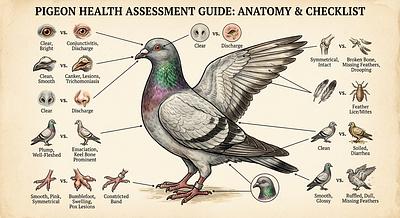
Initial Assessment: Perform thorough physical exams, including checking for fractures, wounds, respiratory distress, and dehydration.
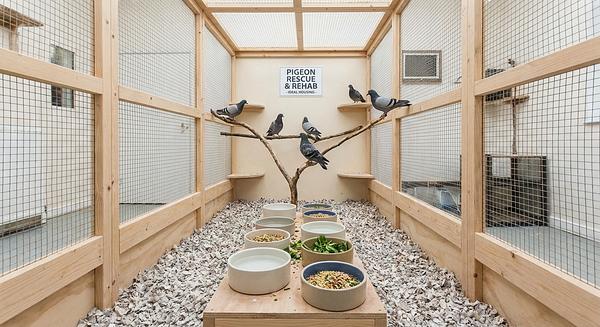
Housing: Provide clean, safe, and appropriately sized enclosures with soft flooring to prevent bumblefoot and stress.
Nutrition and Hydration: Offer species-appropriate diets rich in essential nutrients; ensure constant access to clean water.
Wound Care and Infection Control: Clean wounds promptly; use antiseptics and administer antibiotics as prescribed by a vet.
Pain Management: Use veterinary-approved analgesics to reduce suffering from injuries or surgical procedures.
Disease Screening: Conduct fecal tests, blood work, and radiographs as needed, especially for respiratory or systemic illness.
Quarantine and Biosecurity: Isolate new or sick birds to prevent disease spread.
Long-term Monitoring: Regular follow-ups to evaluate healing progress and adjust care plans.
Insights from Urban Pigeon Management
While not strictly rescue, urban pigeon population control case studies demonstrate the impact of health issues on large flocks. For example, fertility control combined with trapping significantly reduced pigeon numbers in various settings, indirectly lowering disease risk by reducing overcrowding and pigeon droppings, which can harbor infectious agents.
Summary
The health and medical care of rescued pigeons demand a multifaceted approach combining veterinary expertise, careful housing, nutrition, and diligent monitoring. Real-world examples such as Aurora’s recovery from trauma and the infectious disease screenings in wild birds provide valuable lessons for rescuers. By applying these insights, caregivers can improve survival rates and quality of life for rescued pigeons.
💬 Comments (0)