
Pigeon Rescue: Essential Fundamentals of Pigeon Health & Medicine
Rescuing and caring for pigeons involves understanding their unique health needs and common diseases to ensure effective treatment and long-term wellbeing. This guide focuses on fundamental knowledge and practical medical approaches for rescuers and caregivers, emphasizing disease prevention, recognition, and treatment strategies tailored to pigeons.
Understanding Common Health Issues in Pigeons
1. Infectious Diseases
Pigeons are susceptible to several infectious diseases, many of which can spread rapidly in lofts or rescue environments if not managed properly.
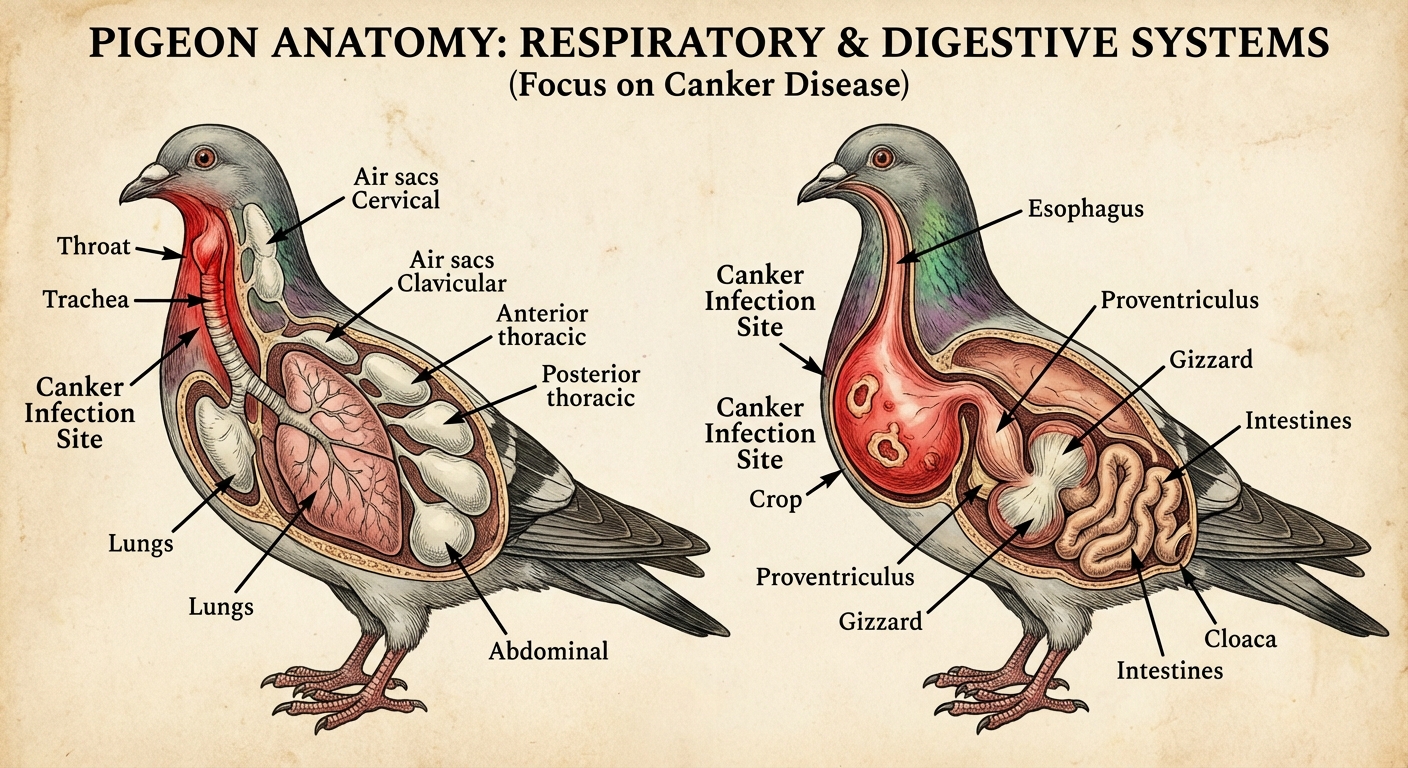
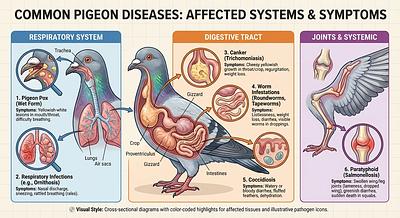
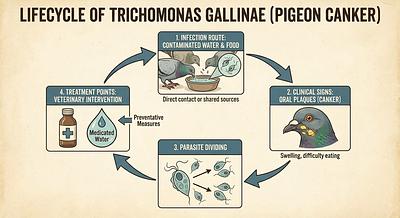
- Canker (Trichomoniasis): Caused by the protozoan Trichomonas gallinae, canker is one of the most common diseases. It typically manifests as yellowish lesions in the crop or throat, leading to difficulty swallowing and weight loss.
- Paramyxovirus (PMV): A highly contagious viral disease affecting the nervous system, causing neurological symptoms such as twisted necks and loss of coordination.
- Paratyphoid (Salmonella): This bacterial infection can cause sudden death, diarrhea, joint infections, and infertility.
- Pigeon Pox: A viral disease causing lesions on unfeathered skin areas and inside the mouth.
2. Parasites
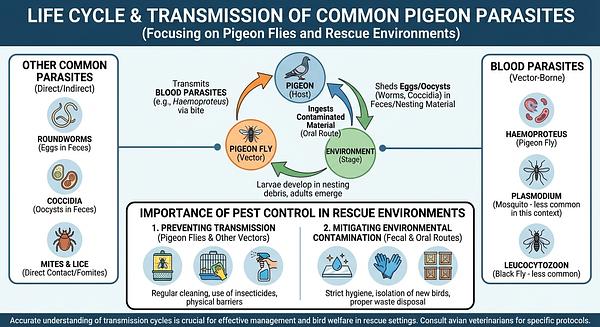
- Blood parasites (Haemoproteus): Transmitted by pigeon flies, they cause anemia and reduced performance.
- Worms and Tapeworms: Internal parasites that affect nutrient absorption and overall health.
3. Respiratory and Other Conditions
- Respiratory infections caused by bacteria, viruses, or fungi can lead to sneezing, nasal discharge, and labored breathing.
- Nutritional deficiencies and stress-related illnesses also play a significant role in pigeon health.
Fundamental Prevention Strategies
Hygiene and Loft Management
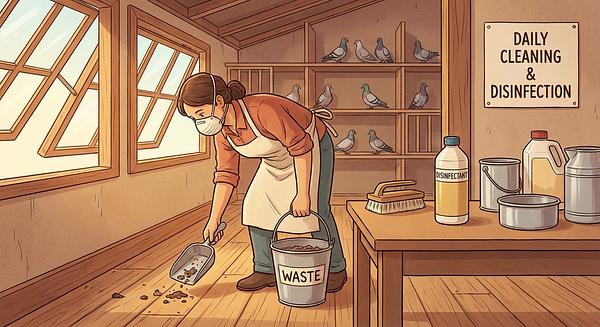
- Daily cleaning: Remove droppings and soiled bedding to reduce pathogen load.
- Disinfection: Use appropriate disinfectants on feeding, watering areas, and perches.
- Ventilation: Ensure lofts are well-ventilated but protected from drafts.
- Pest control: Implement measures against rodents and flies that can carry diseases.
- Quarantine: Isolate new or sick birds for at least 30 days to prevent disease spread.
Nutrition and Stress Reduction
- Provide balanced diets rich in amino acids, minerals, vitamins, and probiotics to support immune function.
- Minimize overcrowding and handling stress.
Vaccination and Regular Health Checks
- PMV vaccination is critical to prevent outbreaks of paramyxovirus.
- Routine health screening, including fecal exams and blood tests, helps early disease detection.
Medical Treatment Essentials
Medications Commonly Used in Pigeon Rescue
| Disease/Condition | Medication(s) | Notes |
|---|---|---|
| Canker (Trichomoniasis) | Metronidazole (e.g., Canker Flagi) | Administered orally, typically for 6 days; early treatment crucial for success. |
| Paramyxovirus (PMV) | No cure; supportive care | Vaccination is preventive; affected birds require hand-feeding and hydration support. |
| Paratyphoid (Salmonella) | Baytril (Enrofloxacin), Ciprofloxacin | Antibiotics administered 10-14 days; rodent control essential. |
| Blood Parasites | Atabrine | Treat 2 weeks before and during high-risk periods; controls blood parasites spread by flies. |
| Worms and Tapeworms | Ivermectin, Droncit | Deworming medications with dosage tailored to individual birds. |
Treatment Protocols
- Administer medication doses carefully, ideally under veterinary guidance.
- Maintain strict hygiene during treatment to avoid reinfection.
- Monitor birds for side effects and treatment efficacy.
Supportive Care
- Provide clean, fresh water and nutrient-rich food.
- Isolate sick birds but ensure social contact if possible to reduce stress.
- Keep environment warm and dry.
Practical Advice for Rescuers and Caregivers
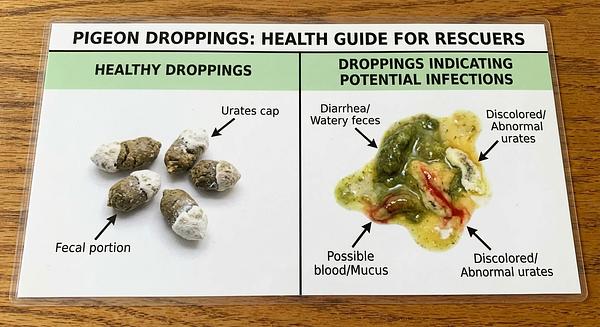
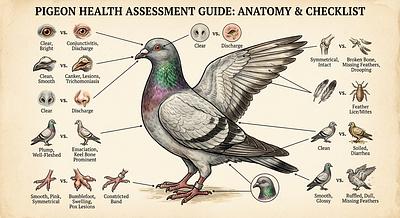
- Early detection: Regularly observe pigeons for signs like lethargy, weight loss, abnormal droppings, or changes in behavior.
- Record keeping: Maintain detailed health logs including treatments, vaccination dates, and observed symptoms.
- Consult professionals: Engage avian veterinarians for diagnosis and treatment plans.
- Education: Stay updated on pigeon health developments and treatment options.
Conclusion
A successful pigeon rescue involves a foundation of preventive care, early disease recognition, and informed medical intervention. Understanding the basics of pigeon health and medicine empowers rescuers and caregivers to improve survival rates and quality of life for these birds. Meticulous hygiene, vaccination, and targeted treatments combined with attentive care are the cornerstones of effective pigeon health management.
This article has compiled current, evidence-based knowledge and practical recommendations to guide pigeon rescuers in maintaining and restoring the health of their charges effectively.
💬 Comments (0)