
Comprehensive Guide to Pigeon Health & Medicine: Step-by-Step Rescue and Care
Pigeon rescue demands not only compassion but also a detailed understanding of their health issues and medical needs to improve survival and rehabilitation outcomes. This guide provides rescuers and caregivers with practical, step-by-step tutorials focused on common pigeon diseases, health assessments, treatments, and ongoing care.
Understanding Common Pigeon Health Issues
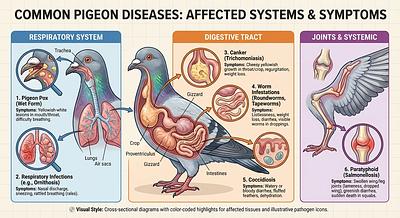
Pigeons face a variety of health problems, many of which require prompt attention to prevent deterioration. Common issues include:
- Injuries: fractures, wounds, wing and leg trauma.
- Infections: bacterial, viral (e.g., paramyxovirus), fungal.
- Parasites: internal (worms) and external (mites, lice).
- Nutritional deficiencies: metabolic bone disease from calcium or vitamin D3 deficits.
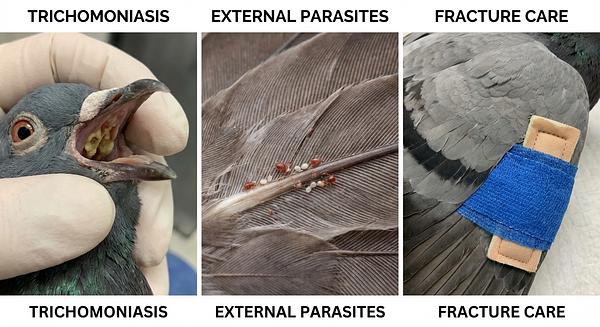
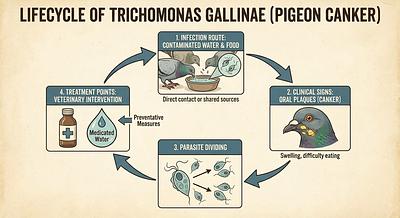
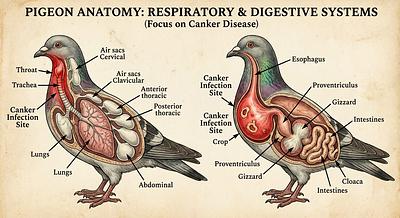
- Trichomoniasis: a protozoal infection causing lesions in the mouth and throat.
Early identification and treatment are crucial. Signs such as inability to fly, lethargy, visible wounds, or abnormal behaviors indicate the need for intervention.
Step 1: Initial Assessment and Safe Capture
- Observe the pigeon from a distance to determine if it is injured or ill (e.g., persistent presence, inability to fly).
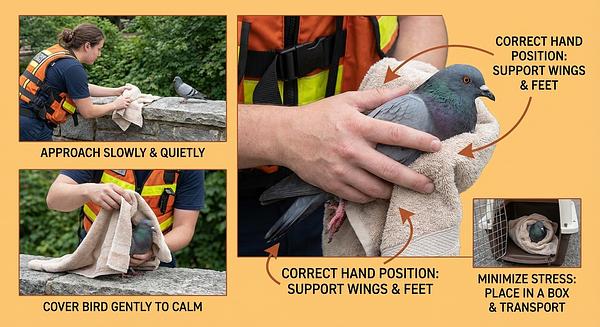
- Approach calmly and gently; if possible, use a towel or jacket to safely capture the bird without causing stress or further injury.
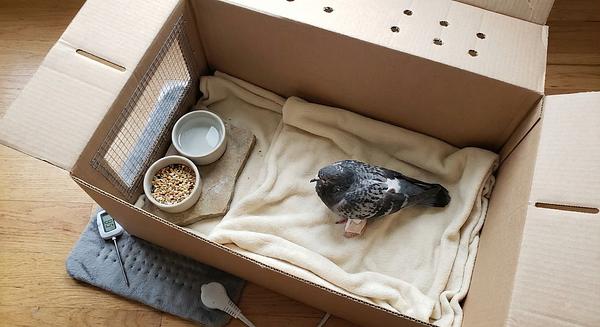
- Place the pigeon immediately in a warm, secure enclosure lined with soft cloth or paper towels to prevent slipping and injury. Use a ventilated box or pet carrier to reduce stress.
Step 2: Conducting a Basic Health Examination
Once secured, perform a limited physical exam:
- Check respiratory rate and effort: Labored breathing or gasping is an emergency.
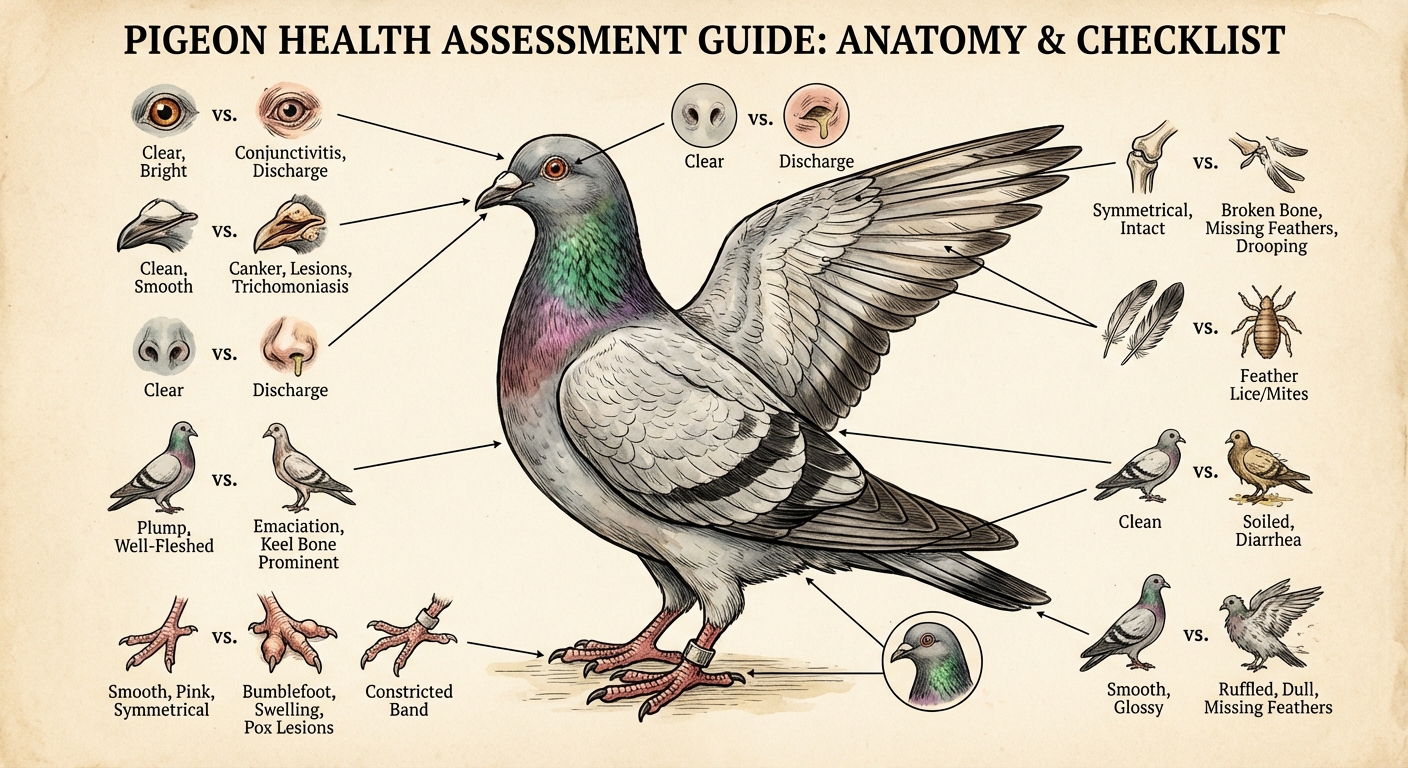
- Inspect feathers and skin for parasites, wounds, or feather loss.
- Examine eyes and beak for discharge or lesions.
- Look for deformities or swelling in limbs or wings.
- Assess hydration by checking skin elasticity gently.
Avoid overhandling to reduce stress and feather damage. If signs indicate severe illness or trauma (e.g., bleeding, seizures), seek immediate veterinary care.
Step 3: Providing Urgent Care
If the pigeon is stable but weak or injured:
- Maintain warmth: Use a heating pad set on low beneath half the enclosure to allow movement away from heat.
- Offer fresh water and food: Soaked seeds or specialized pigeon feed; avoid dry food if bird is weak.
- Isolate from other animals: Prevent stress and disease transmission.
If the bird is a baby (squab), keep it in a dark, warm, quiet place and provide hand-feeding formulas recommended by avian vets.
Step 4: Medical Treatments and Disease Management
Parasite Treatment
- Use veterinary-prescribed anti-parasitic medications for external mites and internal worms.
- Regularly clean and disinfect the enclosure with safe solutions like Milton steriliser.
Infection Control
- Bacterial infections require antibiotics prescribed by an avian vet.
- Viral diseases such as paramyxovirus are not treatable and are notifiable; notify local authorities if suspected.
Nutritional Support
- Correct vitamin and mineral deficiencies with supplements recommended by an avian specialist.
- Provide balanced pigeon feed rich in grains, seeds, and greens.
Wound Care
- Clean wounds gently with saline.
- Apply topical antiseptics advised by vets.
- Bandage fractures if trained; otherwise, seek professional care.
Specific Conditions
- Trichomoniasis: administer antiprotozoal drugs prescribed by the vet.
- Metabolic Bone Disease: correct diet and calcium supplementation alongside veterinary guidance.
Step 5: Monitoring and Rehabilitation
- Observe eating, drinking, droppings, and behavior daily.
- Keep the environment clean and stress-free.
- Gradually introduce perching and gentle exercise as the bird recovers.
- Mark pigeons with colored rings or paint dabs for identification during rehabilitation.
Step 6: Release or Long-Term Care
- Release only if the pigeon is fully healed, able to fly, and can forage independently.
- Domestic or non-wild pigeons (e.g., King pigeons) may require lifelong care in captivity.
- Lost racing or show pigeons should be reported to relevant associations for possible reunification.
Additional Resources and Support
- Contact local wildlife rehabilitators or avian vets for guidance.
- Use online communities such as Palomacy Help Group or Pigeon Talk for expert advice.
- Understand that some cases may require humane euthanasia if suffering is severe or recovery impossible.
Pigeon rescue requires a combination of careful handling, medical knowledge, and patience. Following these step-by-step guidelines can improve the chances of recovery and successful rehabilitation for injured or ill pigeons.
💬 Comments (0)