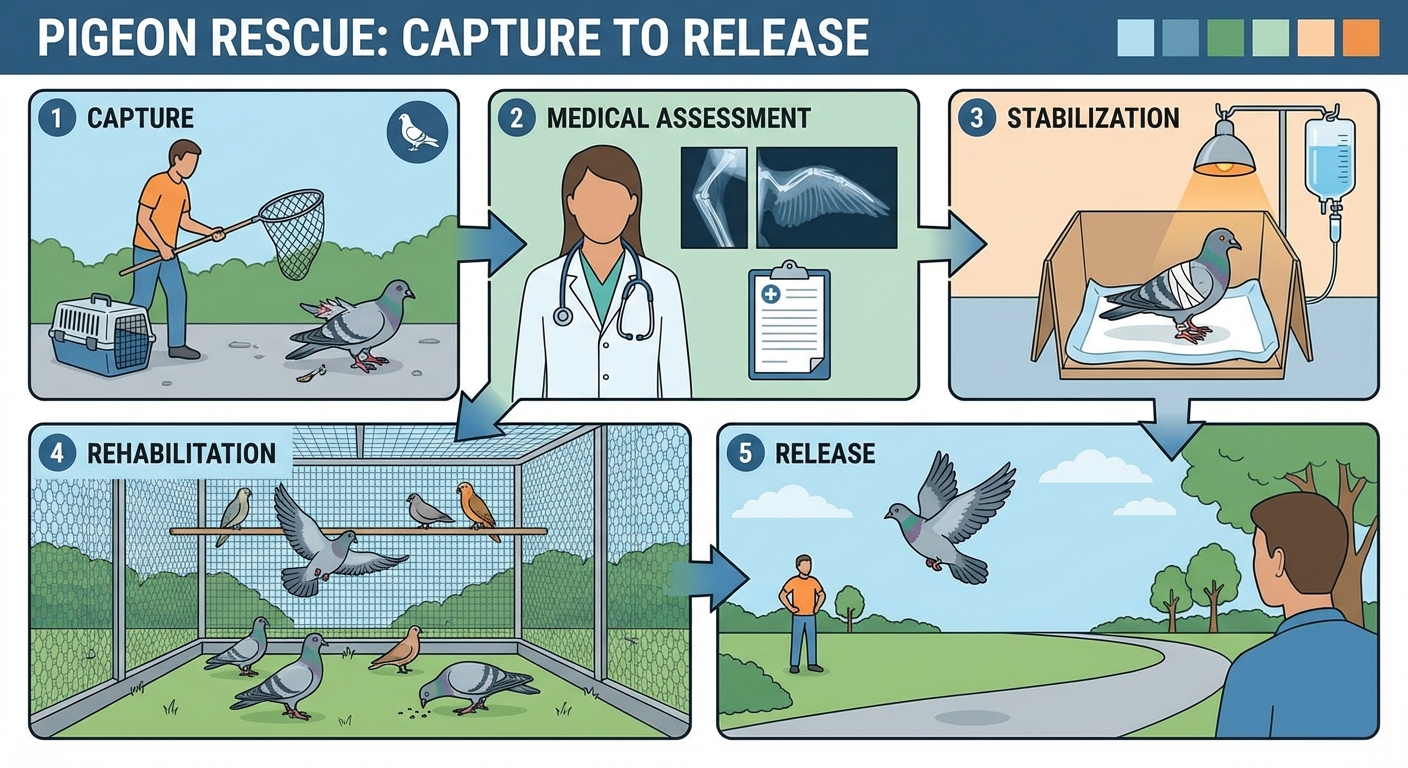

Pigeon Rescue: Techniques and Processes for Effective Rehabilitation
Pigeons, often overlooked urban wildlife, frequently encounter injuries or illnesses that necessitate human intervention. Successful rescue and rehabilitation of pigeons require a careful combination of assessment, medical treatment, behavioral conditioning, and post-release monitoring. This article focuses on real-world case studies and evidence-based techniques that rescuers and caregivers can apply to ensure the best outcomes for these birds.
Initial Rescue and Assessment
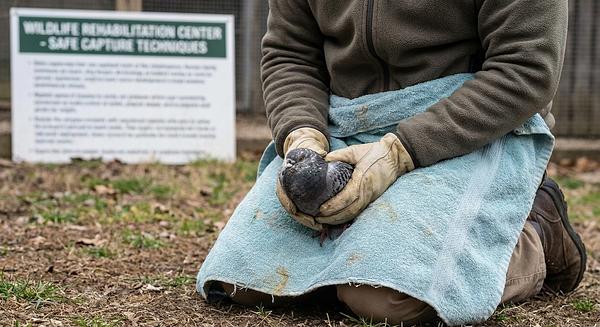
Immediate Capture and Handling
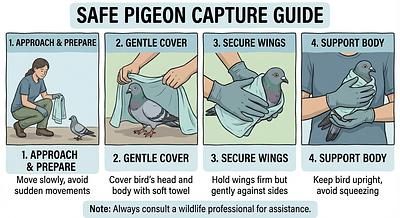
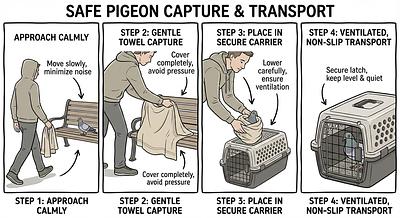
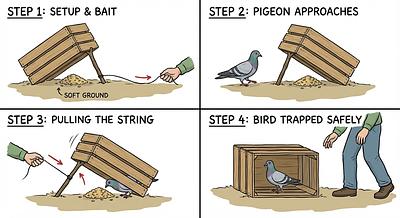
Rescuers often first encounter injured or sick pigeons in urban settings. Safe capture techniques, such as using soft nets or hand capture with towels, minimize stress and injury. Minimal handling is essential to reduce trauma, only intervening when necessary.
Health Assessment
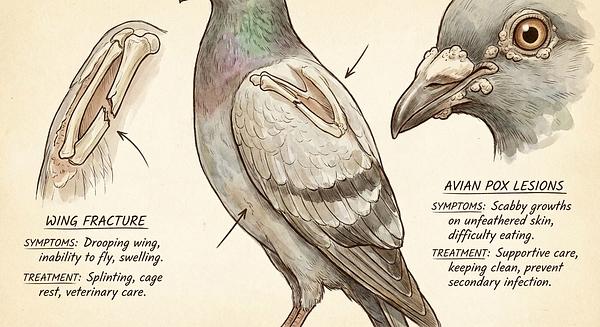
Upon rescue, a thorough physical examination is critical. This includes checking for wounds, fractures, dehydration, and signs of disease such as avian pox or respiratory infections. For example, at Brent Lodge Wildlife Hospital, a Black-Tailed Godwit received rapid wound treatment and antibiotic therapy after initial assessment, underscoring the importance of swift medical intervention.
Stabilization and Medical Treatment
Wound Care and Medication
Injuries such as cuts, fractures, or infections require prompt stabilization. Treatment often involves wound cleaning, suturing, antibiotic administration, and pain relief. Veterinary collaboration is crucial; evidence shows rehabilitators working closely with vets report higher success rates.
Isolation and Quarantine
To prevent disease spread, particularly with risks like Avian Influenza, affected pigeons should be housed in isolated, species-appropriate enclosures. Brent Lodge’s use of isolated water-pool enclosures for water birds is a prime example of this practice.
Rehabilitation Techniques
Physical Therapy and Mobility Restoration
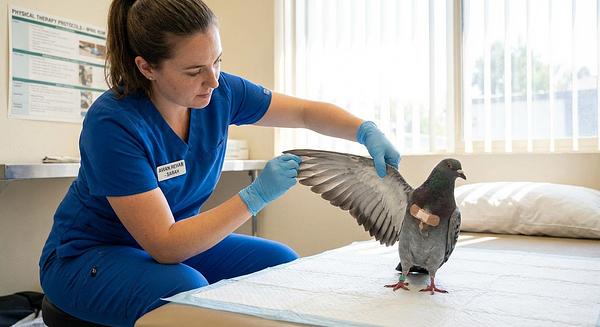
For pigeons with fractures or muscle atrophy, physical therapy such as range-of-motion exercises and gentle wing stretching can restore mobility. Splinting broken bones ensures proper alignment during healing.
Nutritional Support
Proper diet tailored to pigeons’ needs is essential for recovery. This may involve feeding specially formulated grains, insects, or commercial bird food, depending on the species and condition. Monitoring intake ensures malnutrition is avoided.
Behavioral Conditioning and Environmental Enrichment
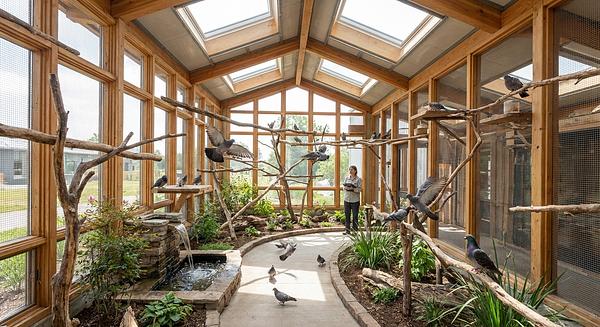
Behavioral training is vital to recondition natural behaviors like flight and foraging. Environmental enrichment—providing perches, hiding spots, and stimuli—reduces stress and encourages activity. For example, at Vale Wildlife Hospital, a pigeon was moved to seclusion aviaries to reduce stress while monitoring flight ability before release.
Flight Conditioning
Cage flight conditioning and, when applicable, falconry techniques have been used in raptors and can inform pigeon rehabilitation. Conditioning pigeons to fly in larger aviaries or on a creance (a tethered flight line) improves muscle strength and flight skills necessary for survival.
Release Preparation and Monitoring
Pre-release Conditioning
Before release, pigeons must demonstrate sufficient flight ability, independence in feeding, and absence of debilitating injuries. Ringing or banding individual birds aids in post-release monitoring.
Release Site Selection
Choosing a release site near the original capture location with suitable habitat and availability of food and shelter is crucial. Coordination with local wildlife organizations helps ensure that released pigeons are monitored and supported if needed.
Post-release Monitoring
Tracking survival rates through banding and re-sighting provides data on rehabilitation success. Studies indicate larger birds tend to be re-sighted more often, but comprehensive monitoring remains a challenge.
Real-World Examples
A pigeon rescued with avian pox was kept in seclusion aviaries at Vale Wildlife Hospital for stress reduction and flight monitoring before successful release and ringing.
Brent Lodge Wildlife Hospital treated a rare Black-Tailed Godwit with wounds, placing it in isolated water enclosures and providing live insects for feeding. Minimal handling was emphasized, resulting in a successful rehabilitation and release.
Falconry techniques applied to raptor rehabilitation have shown reduced stress and improved fitness, suggesting potential adaptation for pigeon rehabilitation protocols, especially for flight conditioning.
Practical Advice for Rescuers and Caregivers
- Minimize handling: Limit contact to essential care to reduce stress.
- Prompt veterinary collaboration: Early medical intervention improves outcomes.
- Provide species-appropriate housing: Quiet, safe, and enriched environments promote healing.
- Implement structured physical therapy: Use exercises to restore mobility.
- Monitor nutrition carefully: Tailor diets to species requirements.
- Prepare for release with behavioral conditioning: Ensure flight and survival skills.
- Coordinate post-release monitoring: Use banding and work with local conservation groups.
By integrating medical care with behavioral rehabilitation and following evidence-based protocols, rescuers can significantly improve the survival and quality of life for rescued pigeons. These case studies illustrate the importance of a holistic, well-coordinated approach to avian rescue and rehabilitation.
💬 Comments (0)