
Comprehensive Guide to Pigeon Rescue: Techniques and Rehabilitation
Rescuing and rehabilitating pigeons requires a blend of careful assessment, appropriate handling, and dedicated care tailored to their unique biology and behavior. This guide focuses on the common challenges encountered during pigeon rescue and rehabilitation, with practical, evidence-based solutions to help rescuers and caregivers improve outcomes for these resilient birds.
1. Initial Rescue: Safe Capture and Transport
Challenges
- Stress and injury risk during capture: Pigeons are easily stressed, and improper capture can cause injury.
- Disease transmission: Risk of spreading infections among pigeons or to humans.
How to Overcome
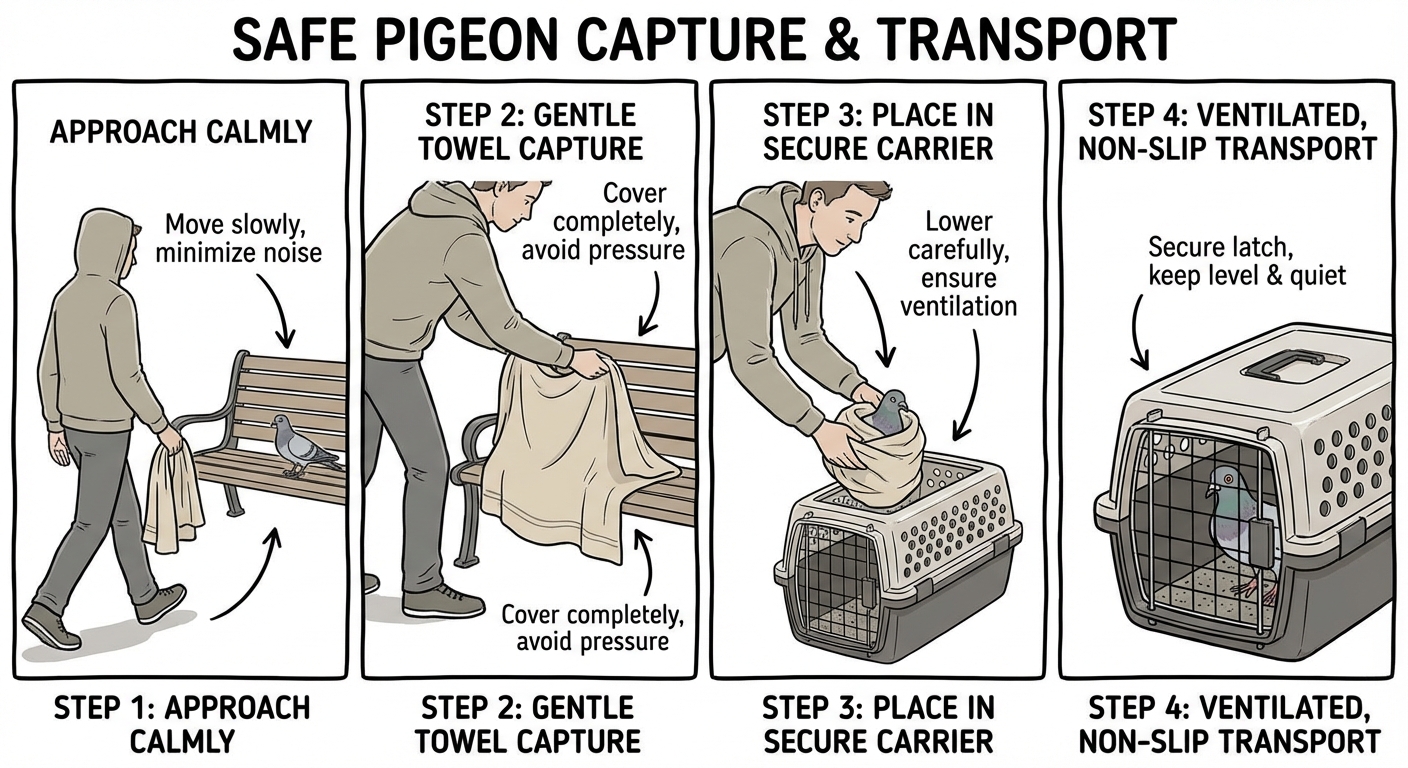
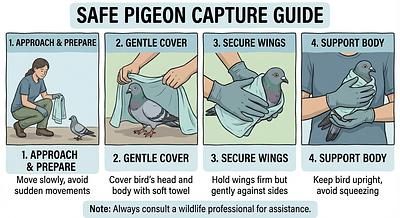
- Approach slowly and calmly, preferably in dim light or early evening to reduce bird panic.
- Use a soft towel or a light cloth to gently cover and restrain the bird, keeping wings folded against the body to prevent flapping and injury.
- Place the bird in a secure, well-ventilated container lined with a non-slip material (e.g., towel) to prevent leg splay and reduce stress.
- Wear disposable gloves and wash hands thoroughly afterward to minimize disease risk.
2. Assessment and Triage
Challenges
- Differentiating between birds that can be released immediately and those needing treatment.
- Identifying signs of serious injury or illness that require urgent veterinary care.
How to Overcome
- Conduct a gentle physical exam: check for wounds, fractures, feather condition, eye and limb integrity, and body condition.
- Determine age and dependency status (nestling, fledgling, adult) to guide care protocols.
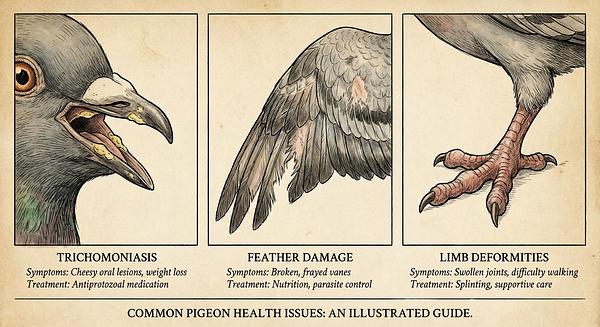
- Use clear criteria for euthanasia in severe cases such as compound fractures, severe infections (e.g., trichomoniasis), or necrotic wounds to prevent prolonged suffering.
- Immediately release pigeons trapped but uninjured after safe extraction.
3. Housing and Environmental Needs During Rehabilitation
Challenges
- Providing safe, comfortable housing that supports healing and reduces stress.
- Preventing complications such as leg deformities and feather damage.
How to Overcome
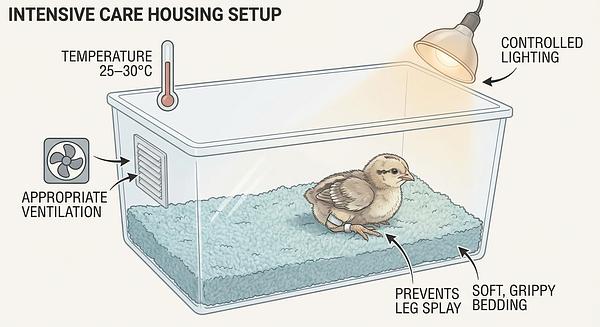
- For intensive care, use small, secure containers with 2-3 layers of soft, grippy substrate (like towels) to support legs and prevent splaying.
- Maintain indoor temperatures between 25–30°C (77–86°F) to support metabolic needs of injured or young birds.
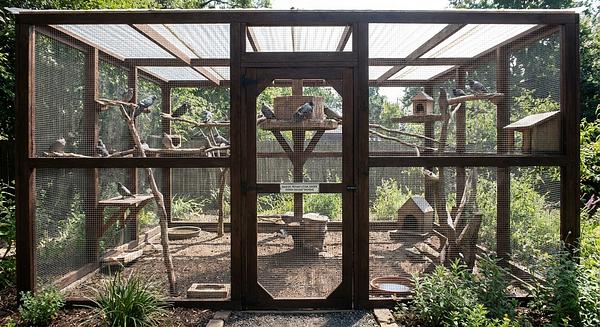
- Gradually transition recovering birds to larger aviaries with perches and space to exercise once they are alert and fully feathered.
- Ensure good ventilation without drafts and normal day-night lighting cycles to encourage natural rhythms.
4. Nutrition and Feeding
Challenges
- Feeding dependent nestlings and injured pigeons who cannot feed themselves.
- Avoiding aspiration and ensuring adequate hydration.
How to Overcome
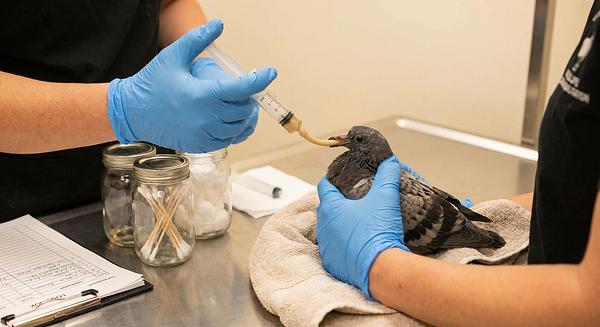
- Hand-feed nestlings with appropriate commercial or homemade formulas, feeding small amounts frequently using sterilized equipment.
- For birds with crop impaction or unable to swallow, crop tubing may be necessary under expert guidance.
- Provide clean water, but for very young or weak birds, hydration is often provided via feeding formula.
5. Medical Treatment and Disease Management
Challenges
- Managing common pigeon diseases and injuries, including infections and parasites.
- Preventing cross-contamination among birds.
How to Overcome
- Implement barrier nursing techniques: isolate sick birds, use disposable gloves, and sterilize equipment between uses.
- Seek prompt veterinary evaluation for injuries and diseases; pigeons respond well to antibiotics and supportive care.
- Monitor for and treat common conditions such as trichomoniasis, respiratory infections, and feather disorders.
6. Behavioral Rehabilitation and Release Considerations
Challenges
- Training pigeons for survival post-release.
- Determining appropriate timing and location for release.
How to Overcome
- Minimize handling to reduce stress but encourage natural behaviors by providing natural light and perching opportunities.
- Release birds only when fully recovered, alert, and capable of flight and feeding independently.
- Choose release sites near where the bird was found to improve reintegration with wild flocks.
- For unreleasable pigeons, provide enriched indoor or outdoor environments with companionship, proper diet, and veterinary care.
7. Common Challenges Summary and Best Practices
| Challenge | Solution |
|---|---|
| Stress during capture | Calm approach, towel restraint, dim light capture |
| Injury or disease assessment | Careful physical exam, triage protocols, veterinary involvement |
| Housing needs | Soft, grippy bedding, temperature control, gradual space increase |
| Feeding dependent birds | Hand-feeding with sterilized tools, crop tubing if needed |
| Disease prevention | Barrier nursing, isolation, equipment sterilization |
| Release decisions | Full recovery confirmation, natural behavior encouragement, site selection |
Practical Tips for Rescuers
- Always contact a licensed wildlife rehabilitator or avian vet for guidance if unsure or for advanced care.
- Avoid free-flight for domestic or unreleasable pigeons; instead, provide safe aviaries or indoor environments.
- Use color rings or temporary markings to track individual birds during rehabilitation.
- Be patient: pigeon rehabilitation can be long but these birds are remarkably adaptable and resilient.
By understanding these challenges and applying these targeted strategies, rescuers can improve survival and welfare outcomes for pigeons needing assistance, ultimately supporting their successful return to the wild or safe lifelong care.
💬 Comments (0)