
Comprehensive Guide to Pigeon Rescue: Rescue and Rehabilitation Fundamentals
Rescuing and rehabilitating pigeons requires a detailed understanding of their biology, behavior, and special care needs. Whether dealing with injured wild pigeons or domestic ones, proper techniques and knowledge are essential for successful recovery and eventual release or rehoming. This guide provides a thorough overview of the fundamental basics and essential knowledge for rescuers and caregivers.
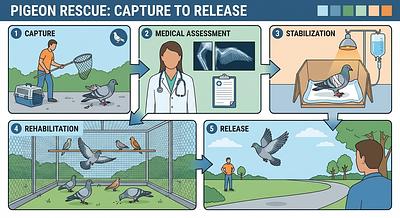
1. Initial Assessment and Safe Capture
Observe from a Distance: Before intervening, assess the bird’s condition and surroundings to determine if rescue is necessary. Injured, trapped, or orphaned pigeons need help; healthy pigeons should be left undisturbed.
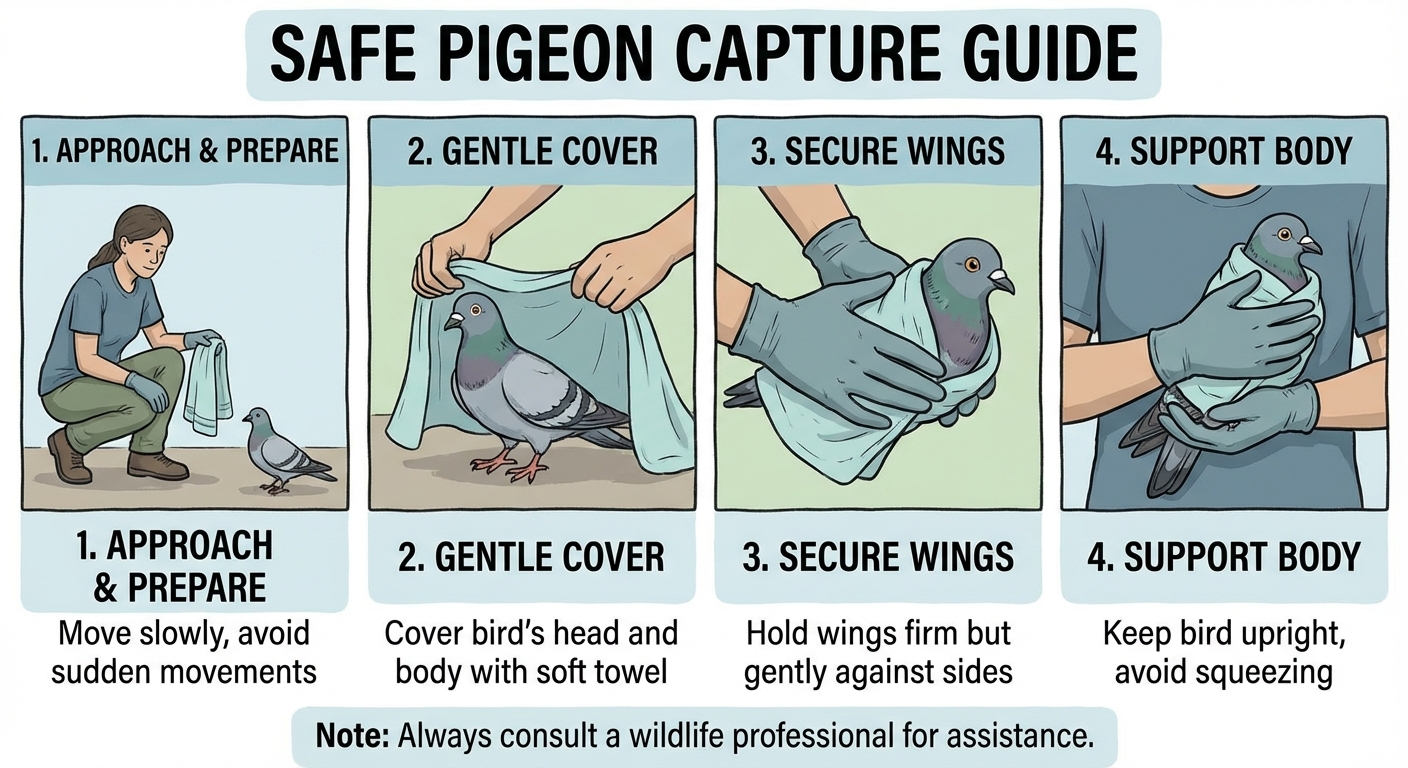
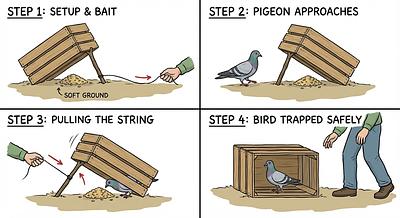
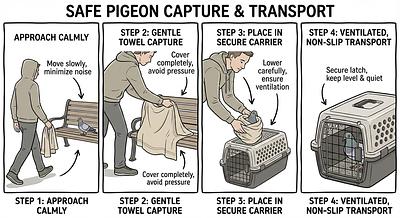
Safe Capture Techniques: Approach slowly and calmly, ideally in low light or evening to reduce stress. Use a soft towel or cloth to gently cover the pigeon, which calms it and prevents injury to wings and feathers.
Containment: Place the bird immediately into a secure, ventilated box or pet carrier lined with a non-slip material (e.g., towel) to prevent further injury. Avoid excessive handling to minimize feather loss and stress.
2. Immediate Care and Stabilization
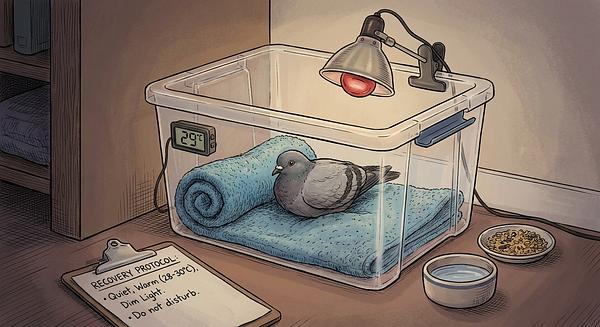
Warmth: Pigeons, especially nestlings or injured birds, require warmth (ideally 25–30°C or 77–86°F). Use incubators or heated pads with careful monitoring.
Isolation: Keep the bird isolated from other animals and birds, especially predators and potential carriers of disease. Use barrier nursing methods to reduce infection risks.
Minimize Stress: Provide a quiet, dim environment. Avoid excessive noise and handling.
Hydration and Nutrition: Provide easily digestible food appropriate for the bird’s age and condition. Hand-feeding may be necessary for nestlings or weak birds, using formulas recommended for pigeons.
3. Medical Assessment and Treatment
Physical Examination: Check for fractures, wounds, eye condition, feather quality, and signs of infection or parasites.
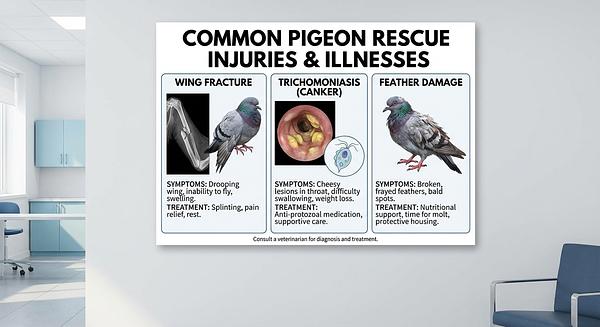
Common Issues: Trichomoniasis (a protozoal infection), fractures, wing or leg injuries, and feather damage are frequent.
Veterinary Care: Consult an avian veterinarian for diagnostic tests, medication (antibiotics, anti-parasitics), and treatment plans. Many conditions respond well to treatment, especially with cage rest and supportive care.
Euthanasia Considerations: Birds with severe, non-recoverable injuries such as compound fractures with exposed bone, necrotic wounds, or advanced disease may need humane euthanasia to prevent suffering.
4. Rehabilitation Phases
Stage 1: Intensive Care (Indoor)
Use small, secure containers or incubators lined with soft, grippy substrate to prevent splay leg and provide stability.
Monitor fluid intake, weight, and behavior closely.
Limit movement to promote healing.
Stage 2: Less Intensive Monitoring
Transfer to larger indoor enclosures or aviaries allowing some movement but still protected.
Begin encouraging natural behaviors like wing flapping and perching.
Stage 3: Outdoor Aviary
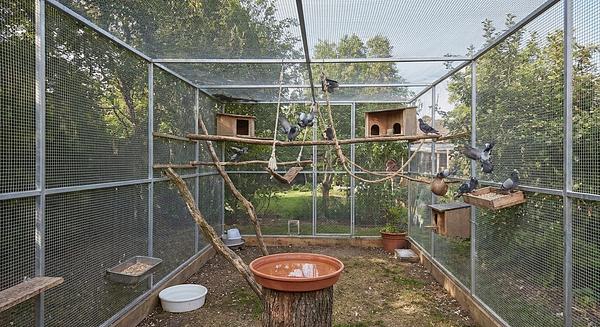
Move to a predator-proof outdoor aviary with enough space for flying and socializing.
Housing should use hardware cloth with openings no larger than 0.5 inches to prevent predator entry.
Ensure availability of fresh water, food, shelter, and perching areas.
5. Training for Release or Rehoming
Release Preparation: Train the bird for survival skills such as foraging and predator awareness.
Timing and Location: Release only healthy, fully recovered birds in suitable habitats near where they were found to maintain social structures.
Unreleasable Birds: Domestic or severely injured pigeons unable to survive in the wild should be provided with lifelong care in aviaries or as indoor companions.
6. Practical Tips for Rescuers and Caregivers
Always wear gloves and practice hygiene to prevent zoonotic infections.
Use color rings or non-toxic paint marks to identify individual birds in group care.
Provide environmental enrichment but avoid overstimulation during early recovery.
Avoid free outdoor flight for domestic or unreleasable pigeons; supervised indoor exercise or secure aviaries are essential.
Connect with experienced pigeon rescue experts and avian veterinarians for guidance.
Regularly clean and sterilize all equipment and enclosures.
7. Summary
Successful pigeon rescue and rehabilitation depend on careful assessment, minimal stress handling, appropriate medical care, and staged rehabilitation environments. Understanding pigeon-specific needs and behavior helps rescuers restore health and, when possible, return pigeons to the wild or provide safe homes for those that cannot be released.
💬 Comments (0)