
Comprehensive Guide to Nutrition & Feeding in Pigeon Rescue: Troubleshooting and Problem-Solving
Rescuing and caring for pigeons requires an informed approach to nutrition and feeding, as diet profoundly influences their recovery and long-term health. This guide focuses on practical troubleshooting and problem-solving strategies to address common nutritional challenges in rescued pigeons, ensuring caregivers can optimize feeding protocols effectively.
Understanding the Nutritional Needs of Pigeons
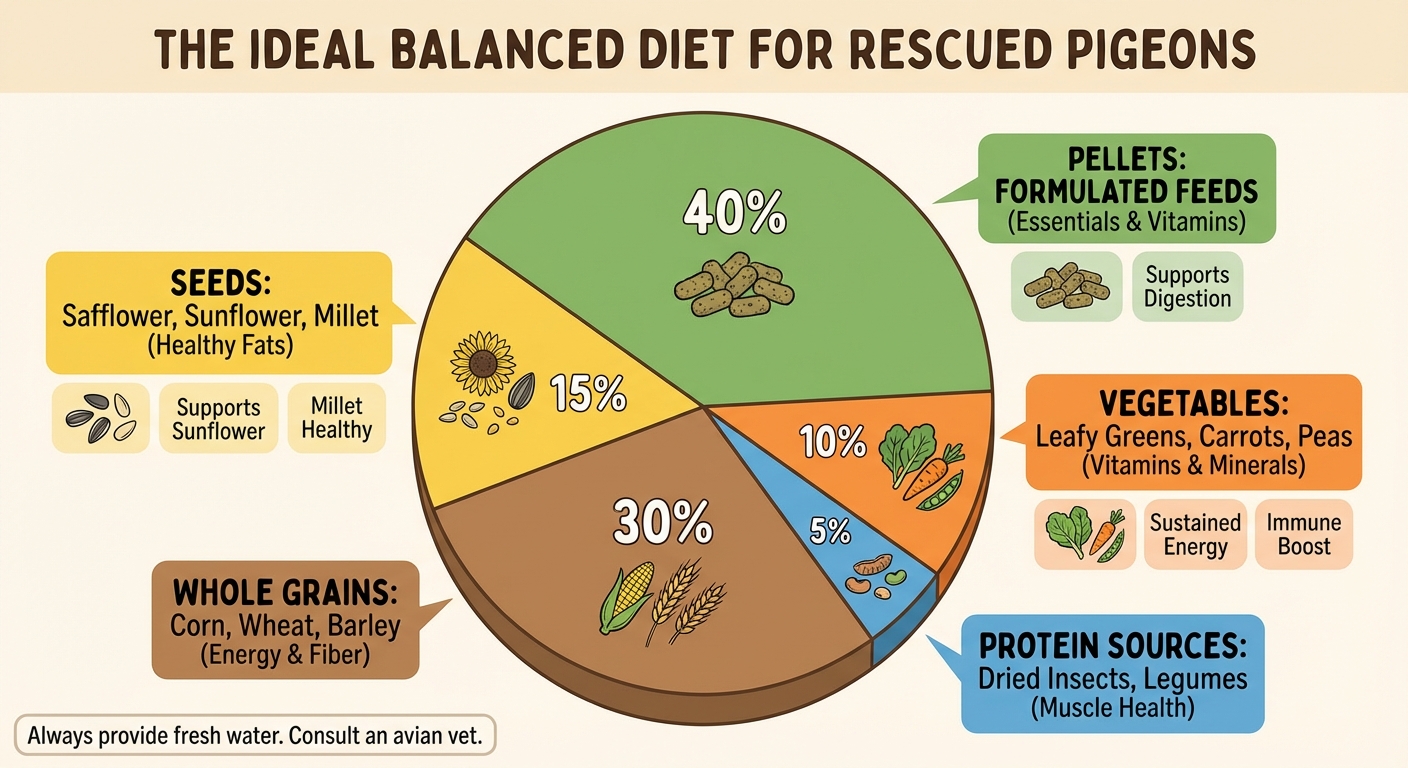
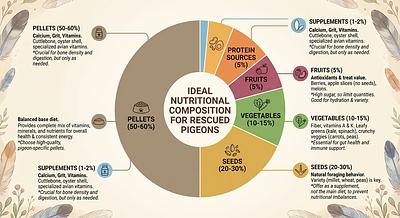
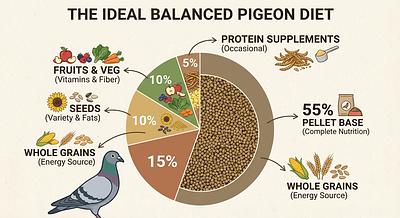
Pigeons are granivorous birds primarily consuming grains and seeds, but their diet should be balanced with essential proteins, vitamins, and minerals to prevent health issues such as poor feathering, respiratory disease, and metabolic disorders. Key diet components include:
- High-quality pigeon pellets or crumbles: These are formulated to be low in fat and rich in necessary vitamins and minerals. They can constitute 50-100% of the diet depending on availability and variety.
- Whole grains and seeds: A balanced mix including wheat, maize, peas, safflower, corn, and sorghum supports diverse nutrient intake.
- Fresh fruits and vegetables: Safe options like peas, corn, carrots, berries, leafy greens, and bell peppers add vitamins and fiber.
- Protein sources: Insects such as mealworms and crickets provide additional protein, mimicking natural foraging.
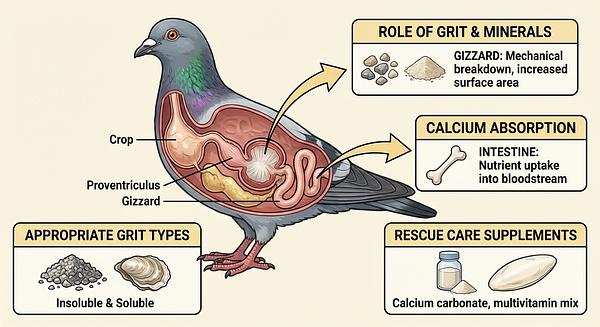
- Grit and mineral supplements: Crushed shells and stones containing calcium and trace minerals aid digestion and bone health.
Avoid feeding bread, milk, avocado, onions, and rhubarb, as these can be harmful or nutritionally inadequate.
Common Nutritional Problems and Troubleshooting
1. Pigeon Not Eating or Poor Appetite
Issue: A rescued pigeon may refuse to eat due to stress, illness, or dehydration.
Solutions:
- Ensure hydration first, as dehydration is common and critical. Offer water with a pinch of sugar and salt to restore electrolytes and dip the beak tip in water to stimulate drinking.
- Offer easily digestible, attractive foods such as thawed frozen peas warmed in water for hand-feeding if the bird cannot self-feed.
- Gradually reintroduce pellets mixed with softened grains and vegetables.
- Consult an avian vet if refusal persists, as underlying illness may be present.
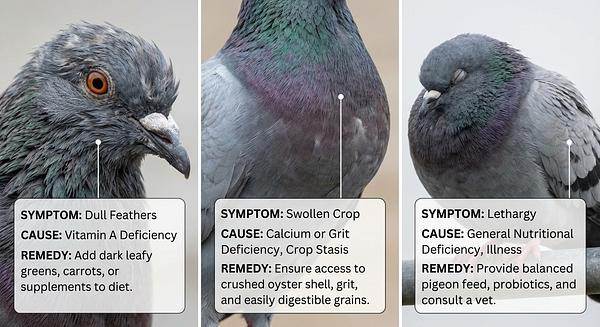
2. Nutritional Deficiencies Leading to Poor Feathering and Weakness
Issue: Incomplete diets, especially those high in fat and low in protein, vitamins, and minerals, cause poor feather condition and susceptibility to infections.
Solutions:
- Switch to or supplement with high-quality pellets designed for pigeons, ensuring a complete vitamin and mineral profile.
- Add a multivitamin and mineral supplement, particularly ensuring adequate calcium and vitamin D3 for bone and feather health.
- Provide a variety of fresh vegetables and fruits to supply antioxidants and micronutrients.
- Use supplements like garlic juice occasionally to enhance immune and digestive health.
3. Overfeeding or Imbalanced Diets Causing Fatty Liver and Metabolic Issues
Issue: Diets too high in fats (e.g., pure seed diets) can lead to fatty liver disease and diabetes.
Solutions:
- Limit seeds to a small portion of the diet, replacing most with pellets and whole grains.
- Avoid feeding bread or human junk food.
- Regularly monitor body condition and adjust food quantity accordingly.
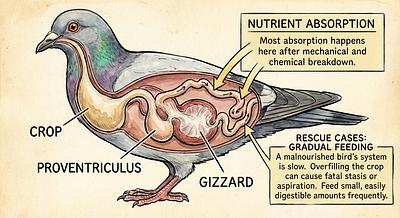
4. Feeding Orphaned or Hand-Reared Pigeons
Issue: Hand-rearing requires precise feeding volumes and nutrient density to support rapid growth.
Solutions:
- Feed small amounts frequently (every 20-45 minutes for hatchlings), using specialized formulas or high-protein, high-fat diets such as softened kitten or ferret kibble mixed with calcium supplement.
- Gradually introduce solid foods like fruits, vegetables, and grains as fledglings mature.
- Avoid overheating food; warm it gently without microwaving to prevent burns.
5. Digestive Health and Grit Management
Issue: Lack of appropriate grit can impair digestion and mineral absorption.
Solutions:
- Provide red pigeon grit separately from the food dish, as an important mineral supplement.
- Avoid high-salt grit products designed for other species.
- Offer crushed oyster shell in moderation for calcium, especially for egg-laying females.
Practical Feeding Guidelines
- Feeding amounts: Start with about 2 tablespoons of food per pigeon per day, adjusting based on consumption and condition.
- Feeding frequency: Adult pigeons typically feed once or twice daily; orphaned pigeons require frequent hand-feeding.
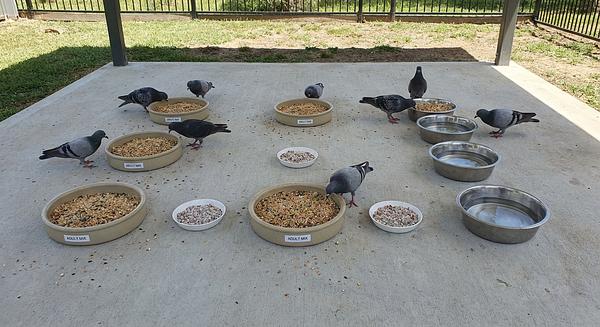
- Water: Fresh, clean water must always be available and changed daily.
- Feeding environment: Use heavy, flat-bottomed dishes placed to avoid contamination from droppings or perching.
Monitoring and Adjusting Diet
- Regularly observe pigeons for signs of nutritional deficiencies or overeating.
- Adjust diet composition and quantity based on weight, feather condition, and activity levels.
- Consult avian veterinarians for specialized advice and vitamin supplementation if needed.
Proper nutrition in pigeon rescue is nuanced and requires attentive care to avoid common pitfalls like poor appetite, nutritional imbalances, and digestive issues. By emphasizing balanced diets, hydration, appropriate supplementation, and careful monitoring, rescuers can significantly improve outcomes for these birds.
💬 Comments (0)