
Comprehensive Guide to Pigeon Rescue Nutrition & Feeding: Overcoming Common Challenges
Proper nutrition is critical for the health and recovery of rescued pigeons. Understanding their specific dietary needs and feeding challenges can significantly improve outcomes for caregivers and rescuers. This article provides detailed, practical guidance tailored for pigeon rescue, focusing on addressing common feeding difficulties and ensuring balanced nutrition.
Understanding Pigeon Dietary Needs
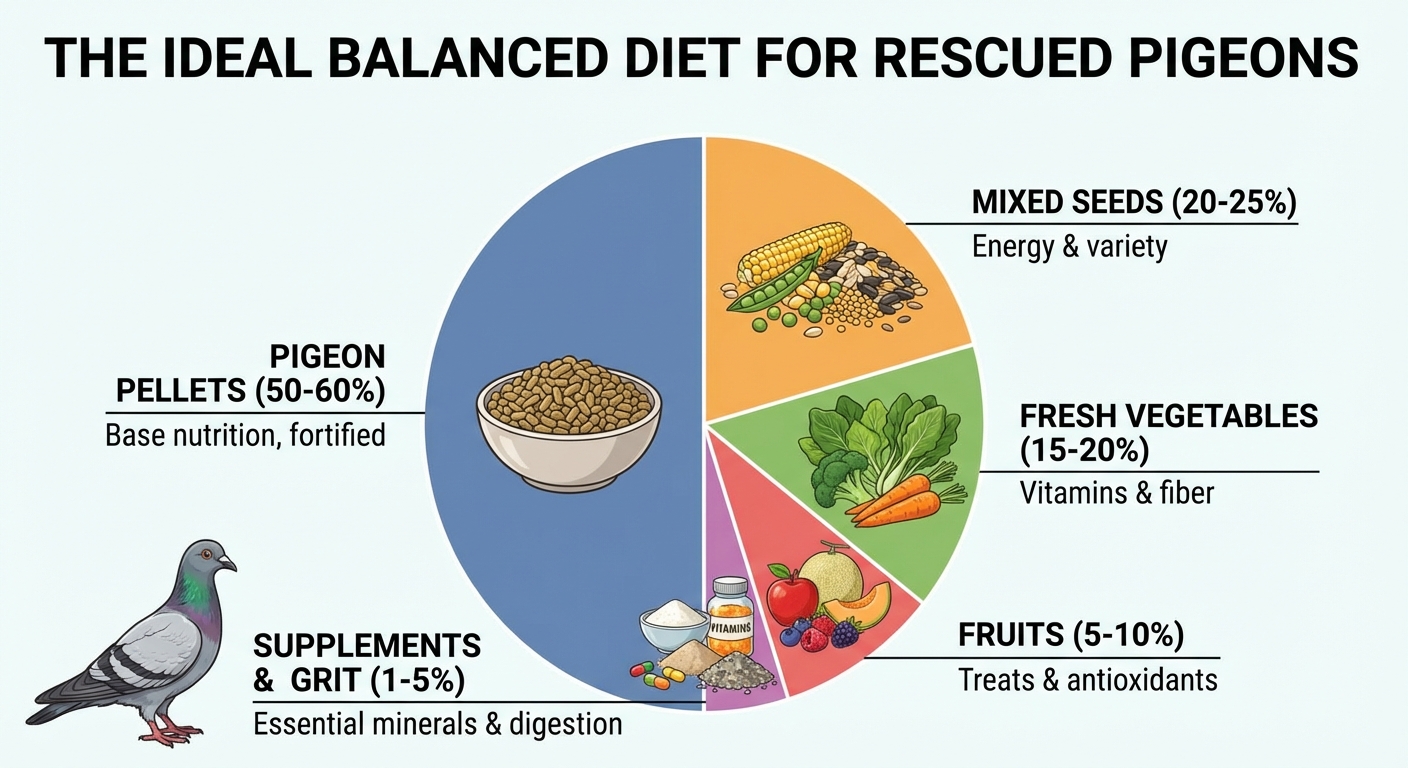
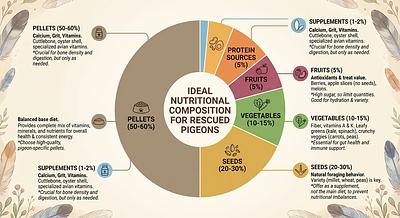
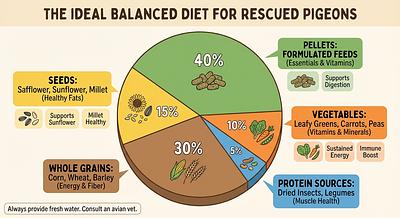
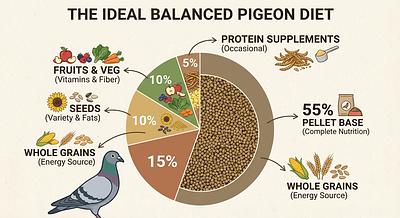
Pigeons are primarily granivores, naturally consuming a diet rich in grains and seeds. However, a balanced diet must also include vegetables, fruits, vitamins, and minerals to support their immune system, feather health, and overall vitality.
Key nutritional components include:
- High-quality seed or pellet mixes: Specialized pigeon or dove seed blends are ideal, but high-quality avian pellets formulated for pigeons are preferred for balanced nutrition.
- Vegetables and fruits: Offer chopped carrots, broccoli, cauliflower, bell peppers, and leafy greens several times per week to provide essential vitamins and fiber.
- Protein sources: Legumes, cooked eggs, and tofu can supplement diets, especially during recovery.
- Calcium and minerals: Oyster shell grit and bird-safe grit should be provided sparingly as seasoning rather than unlimited, to support skeletal health.
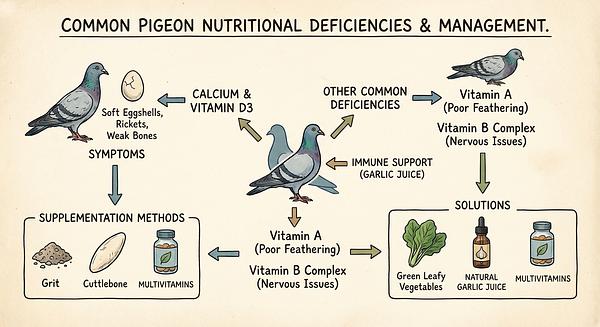
- Vitamin D3 supplementation: Especially important for indoor or sun-deprived birds, to prevent deficiencies that impair calcium metabolism.
Common Nutrition & Feeding Challenges and How to Overcome Them
1. Starvation and Emaciation
Rescued pigeons are frequently dehydrated and severely malnourished. Immediate rehydration is critical before feeding solid food.
Recommended approach:
- Provide electrolyte water (a pinch of salt and sugar dissolved in water) to restore hydration and electrolytes.
- For birds not drinking voluntarily, gently dip their beak in water and hold it there to encourage drinking.
- Avoid force-feeding large amounts; start with small hand-fed portions of thawed peas or specialized liquid recovery formulas to safely restart digestion.
2. Refusal to Eat or Self-Feed
Weak or stressed pigeons may not eat on their own, risking further deterioration.
Solutions:
- Use hand-feeding techniques with thawed frozen peas or appropriate recovery formula, administering small amounts every few hours to minimize stress.
- Gradually encourage self-feeding by providing fresh food in shallow, stable dishes and ensuring a quiet, secure environment.
3. Overfeeding and Selective Eating
Pigeons may gorge on high-fat seeds (like safflower), ignoring more nutritious options, leading to imbalanced diets and waste.
Overcome by:
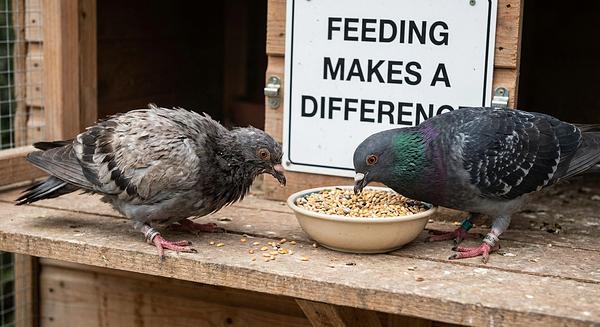
- Meal feeding: Offer measured portions once in the morning, ensuring all food is consumed by evening.
- Adjust daily portions downward if uneaten food remains to prevent overeating and seed hoarding.
- Introduce fresh vegetables and pellets to encourage varied intake.
4. Vitamin and Mineral Deficiencies
Lack of sunlight or improper diet can cause deficiencies, impairing bone development, feather quality, and immune health.
Recommendations:
- Use a multivitamin/mineral supplement specifically for pigeons, containing calcium and vitamin D3.
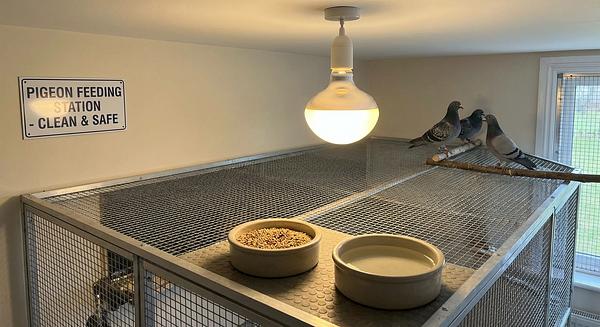
- Provide full-spectrum lighting for indoor birds to aid vitamin D synthesis.
- Consider natural supplements such as garlic juice, which supports digestion, feather health, and immunity.
5. Avoiding Toxic and Inappropriate Foods
Common household foods can be harmful; avoid milk, bread, raw rice, and processed human foods.
Safe alternatives for short-term feeding:
- Minced vegetables like carrots, broccoli, and cauliflower
- Cooked or raw legumes such as lentils and quinoa
- Unsalted nuts and seeds, avoiding salted or flavored varieties
Practical Feeding Guidelines for Caregivers
- Feeding schedule: Offer fresh food once daily in the morning; remove uneaten food by evening to prevent spoilage and overeating.
- Dishware: Use shallow, heavy dishes for food and water to prevent tipping and contamination.
- Hydration: Always provide clean, fresh water; consider electrolyte additives for stressed or recovering birds.
- Hand-feeding: When necessary, feed small amounts gently using thawed peas or specialized formulas; avoid microwaving food to prevent burns.
- Monitoring: Observe droppings and physical condition to assess digestion and health; seek avian veterinary care for persistent issues.
Summary
Successful pigeon rescue nutrition requires understanding their natural dietary needs, careful management of feeding quantities, and addressing challenges such as starvation and selective eating. By providing balanced nutrition, proper supplementation, and patient feeding techniques, caregivers can significantly enhance the recovery and wellbeing of rescued pigeons.
For ongoing support and detailed guidance, joining specialized rescue groups and consulting with avian veterinarians are highly recommended.
💬 Comments (0)