
Comprehensive Guide to Nutrition & Feeding for Rescued Pigeons
Proper nutrition is essential for the health, recovery, and long-term wellbeing of rescued pigeons. This guide provides a detailed, step-by-step tutorial on how to feed and nourish pigeons effectively, emphasizing balanced diets, feeding schedules, supplements, and practical care tips.
Understanding Pigeon Nutrition Basics
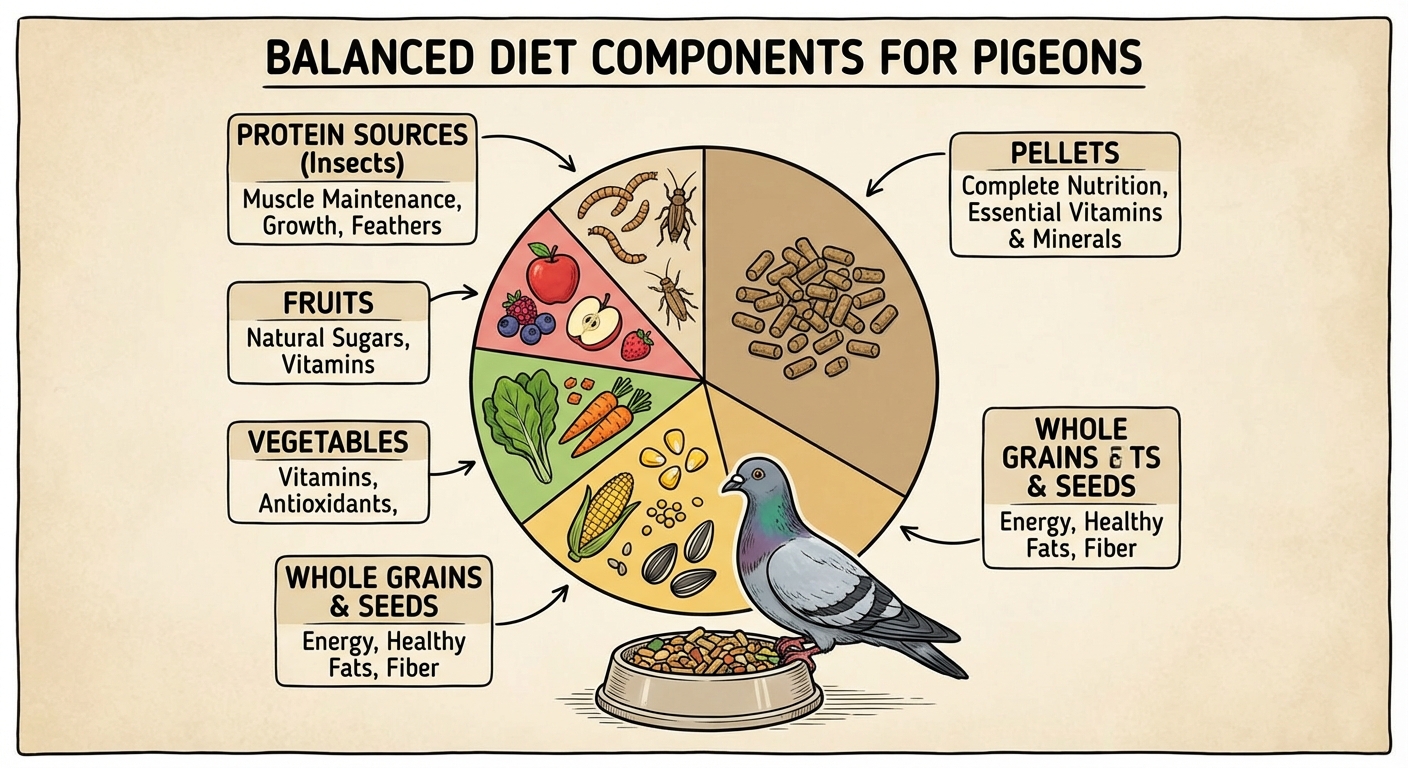
Pigeons are granivores primarily eating grains and seeds but require a balanced diet including protein, vitamins, minerals, fruits, and vegetables to avoid nutritional deficiencies.
Key Nutritional Components:
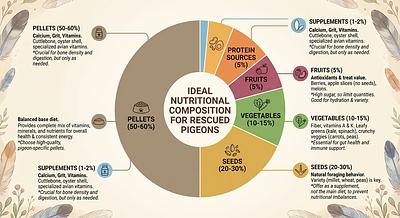
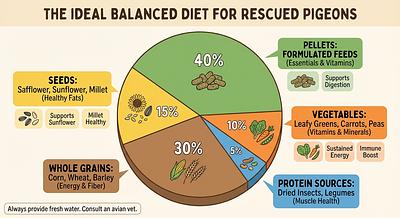
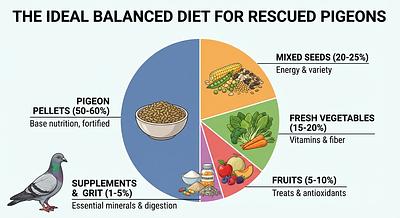
- Pellets or crumbles: Formulated pigeon pellets provide balanced vitamins, minerals, and proteins with low fat.
- Whole grains and seeds: Wheat, maize, peas, safflower, sorghum, and small seeds like canary or finch seeds offer variety but should not be the sole diet.
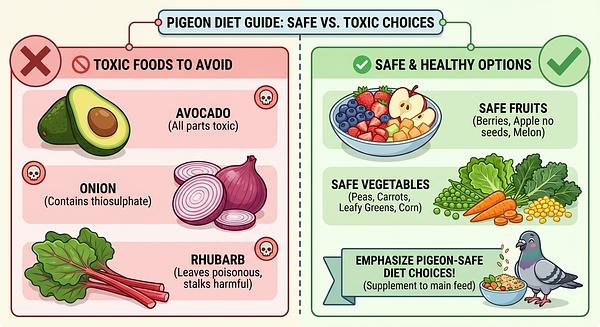
- Fresh fruits and vegetables: Peas, corn, carrots, berries, leafy greens (avoid avocado, onion, rhubarb).
- Protein supplements: Insects such as mealworms, crickets, earthworms for extra protein.
- Grit and mineral blocks: For digestion and calcium supply.
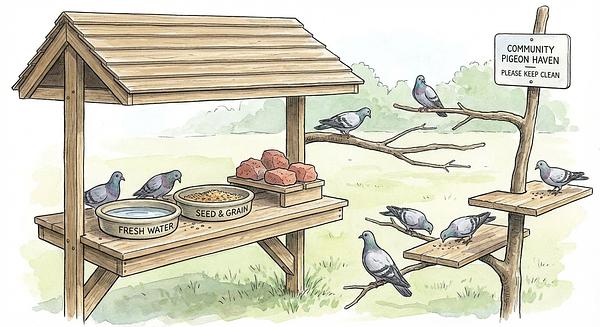
- Fresh water: Always clean and available.
Step-by-Step Feeding Guidelines
Step 1: Choose a Balanced Base Diet
- Use high-quality pigeon pellets or crumbles as the primary food (up to 100% if feeding pellets formulated specifically for pigeons).
- Alternatively, mix 50% pellets with 50% whole grains and seeds to diversify nutrition.
- Recommended seed mixes include 40% peas, 15% safflower, 15% wheat, 15% sorghum, and 15% maize.
Step 2: Supplement with Fresh Produce
- Offer chopped vegetables and fruits 3-4 times per week.
- Examples: carrots, broccoli, snap peas, kale, bell peppers, berries.
- Avoid toxic foods such as avocado, onion, rhubarb.
Step 3: Provide Grit and Mineral Supplements
- Place red pigeon grit or crushed oyster shell in a separate dish.
- Use mineral blocks or powdered supplements sparingly as a seasoning on food.
- For egg-laying females, add liquid calcium supplements to water.
Step 4: Ensure Proper Hydration
- Provide clean, fresh water daily.
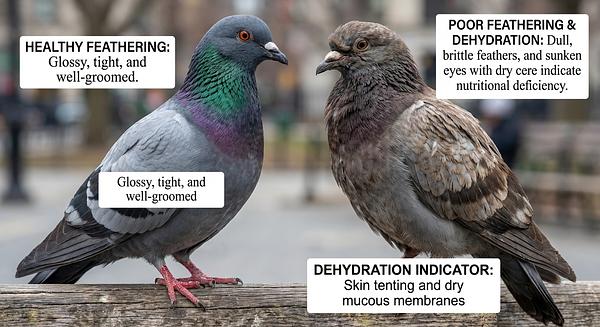
- For weak or dehydrated birds, add a pinch of salt and sugar to water to restore electrolytes.
Step 5: Feeding Frequency and Portion Control
- Feed pigeons twice daily with fresh portions in the morning and evening.
- Adjust portion sizes so that food is consumed entirely by evening.
- Start with approximately 2 tablespoons per bird and reduce if leftovers are observed.
Step 6: Monitor and Adjust
- Observe pigeons’ appetite and droppings for signs of digestive health.
- If pigeons reject certain foods, try offering them again later.
- Avoid overfeeding high-fat seeds like safflower.
Step 7: Special Considerations for Sick or Hand-Feeding
- For pigeons not eating on their own, feed softened thawed peas warmed in water.
- Avoid microwaving food.
- Use shallow, heavy dishes to prevent tipping and contamination.
Additional Recommendations for Optimal Health
- Incorporate a multivitamin and mineral supplement (e.g., Lambco Ultra Vitamin and Mineral or Zoo Med Avian Plus).
- Use garlic supplements (oil or juice) weekly for immune and feather health.
- Ensure exposure to full-spectrum light to promote vitamin D metabolism.
- Clean all food and water dishes daily to prevent disease.
Common Mistakes to Avoid
- Feeding only bread, seeds, or grains leading to nutrient deficiencies and diseases like fatty liver or respiratory problems.
- Providing unlimited high-fat seeds causing obesity.
- Neglecting hydration and clean water supply.
- Offering toxic human foods such as avocado or onion.
Summary
Feeding rescued pigeons requires a balanced, varied diet emphasizing pellets or crumbles, supplemented with whole grains, fresh vegetables/fruits, protein sources, and mineral supplements. Careful portion control, hydration, and hygiene are essential. Nutritional supplements and environmental supports like full-spectrum lighting further enhance recovery and health.
With these step-by-step guidelines, rescuers and caregivers can provide optimal nutrition to support rescued pigeons’ rehabilitation and long-term wellbeing.
💬 Comments (0)