
Nutrition & Feeding for Rescued Pigeons: Seasonal Considerations and Best Practices
Proper nutrition is paramount for the health and recovery of rescued pigeons, especially when caring for them through seasonal changes. This article provides detailed guidance on feeding rescued pigeons with a focus on seasonal variations in diet, nutrient needs, and feeding strategies to optimize their health and rehabilitation.
Understanding Pigeon Nutritional Needs
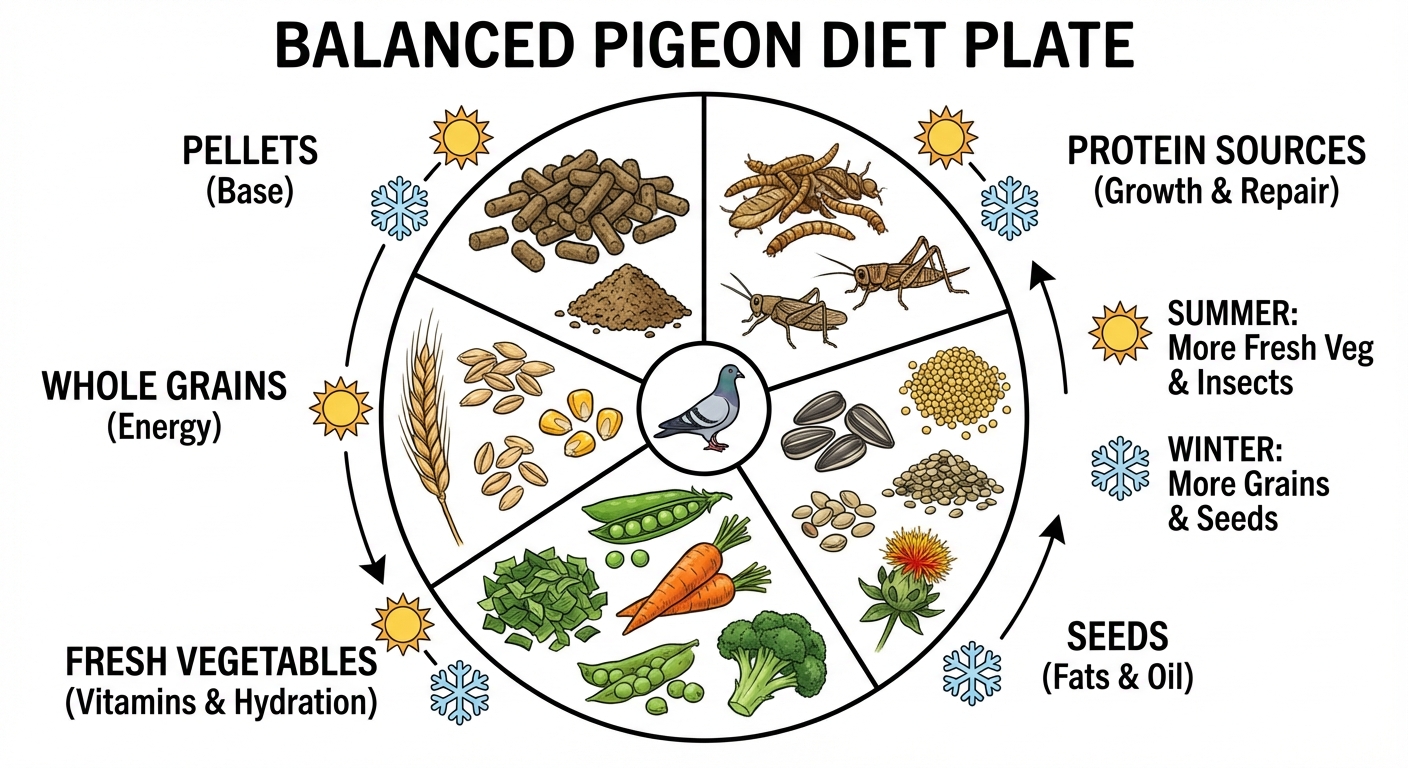
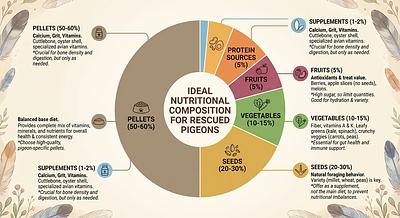
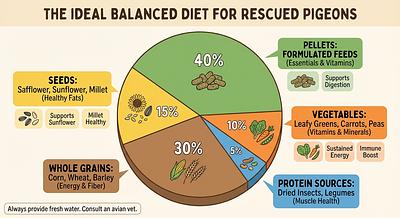
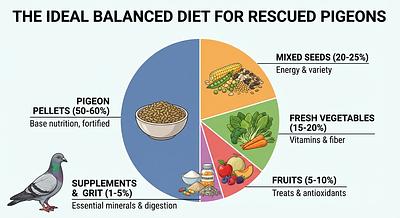
Pigeons are primarily granivores, meaning their natural diet consists mainly of grains and seeds, supplemented occasionally with fruits, vegetables, and insects for protein and vitamins. A balanced diet for rescued pigeons should include:
- High-quality pigeon pellets or crumbles: These offer a balanced supply of vitamins and minerals and can form a large part of the diet.
- Whole grains and seeds: Wheat, maize, peas, safflower, corn, and sorghum are good ingredients; a mixture such as 40% peas, 15% safflower, 15% wheat, 15% sorghum, and 15% maize is recommended.
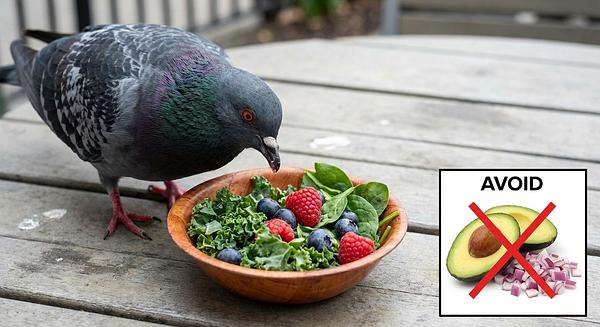
- Fresh fruits and vegetables: Peas, corn, carrots, berries, leafy greens, and other safe produce help provide essential vitamins.
- Protein supplements: Small amounts of insects (mealworms, crickets), and nuts can enrich the diet.
- Grit and mineral blocks: Crushed shells and stones supply calcium and trace minerals vital for digestion and bone health.
Fresh water must be available at all times and changed daily to prevent bacterial growth.
Seasonal Variations in Nutrition and Feeding
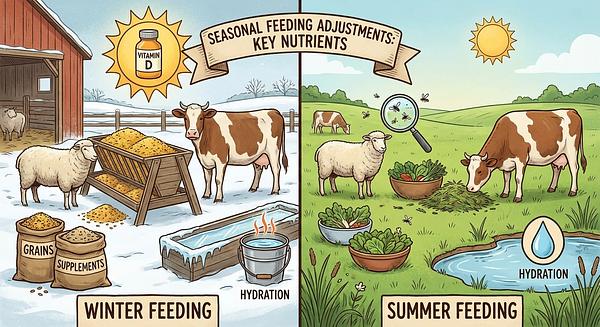
Spring and Summer
- Increased natural availability: During warmer months, pigeons can forage more insects and fresh greens. Incorporate more fresh vegetables and occasional insects to mimic natural foraging.
- Hydration emphasis: Higher temperatures increase water needs; ensure water dishes are full, clean, and placed in shaded areas.
- Light exposure: Vitamin D3 synthesis is boosted by sunlight exposure. For indoor or limited-sunlight environments, use full-spectrum lighting to support calcium metabolism.
Autumn and Winter
- Energy-dense diet: Cooler weather demands more energy for thermoregulation. Increase the proportion of whole grains and seeds, which are higher in carbohydrates and fats.
- Supplemental vitamins: Reduced sunlight lowers natural vitamin D3 production; supplement with multivitamins containing vitamin D3 and calcium.
- Warm food and water: Offering food and water at slightly warmer temperatures can encourage feeding and hydration.
- Limited fresh greens: Fresh produce availability may be limited; frozen or stored vegetables can be safely offered after thawing.
Feeding Guidelines for Rescued Pigeons
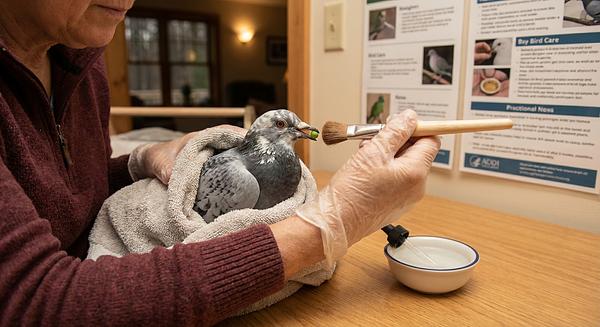
- Assess condition: For weak or non-eating pigeons, gradual rehydration is critical before feeding. Use electrolyte-enhanced water if necessary and avoid sudden large feedings to prevent digestive shock.
- Hand feeding: For pigeons unable to feed themselves, thawed frozen peas warmed to room temperature can be hand-fed safely.
- Portion control: Start with 2 tablespoons of food per bird daily, adjusting to ensure they consume all offered food without waste.
- Avoid harmful foods: Never feed pigeons bread, avocado, onions, rhubarb, or dairy products, as these can cause severe health issues.
Practical Tips for Caregivers
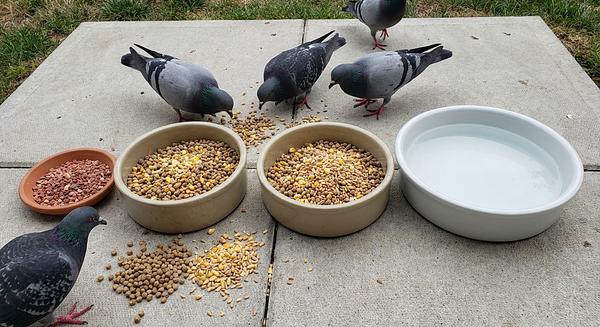
- Food placement: Use shallow, heavy dishes to prevent tipping and contamination. Avoid placing food bowls where pigeons can perch and soil them.
- Enrichment: Rotate food types and include occasional treats such as mealworms or nuts to stimulate natural foraging behaviors.
- Grit management: Provide access to appropriate grit and mineral supplements separately from the main food to avoid overconsumption.
- Monitor intake and health: Observe pigeons’ feeding behavior, droppings, and plumage condition as indicators of nutritional status.
Conclusion
Rescuing pigeons requires thoughtful attention to their nutritional needs that change with the seasons. A diet combining high-quality pellets, grains, fresh produce, and supplements tailored for seasonal demands supports recovery and long-term health. Careful feeding practices, hydration, and environmental management complete a holistic approach to pigeon rehabilitation.
References
- Melbourne Bird Veterinary Clinic: Diet for Pet Pigeons
- Palomacy: How & When to Feed a Pigeon Who Isn’t Eating
- Great Lakes Pigeon Rescue: Nutrition
- Palomacy: Pigeon Feeding & Dove Feeding
- Palomacy: Nutritional Recommendations for Pigeons & Doves
💬 Comments (0)