
Comprehensive Guide to Pigeon Rescue: Health & Medicine with Seasonal Considerations
Rescuing and caring for pigeons involves not only providing shelter and nutrition but also understanding their health needs, diseases, and appropriate medical treatments. Seasonal variations significantly impact pigeon health, influencing disease prevalence, treatment strategies, and preventive care. This article offers an in-depth look at pigeon health and medicine, emphasizing seasonal considerations to help rescuers and caregivers optimize pigeon welfare year-round.
Understanding Common Pigeon Diseases and Health Issues
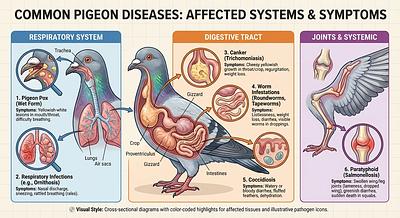
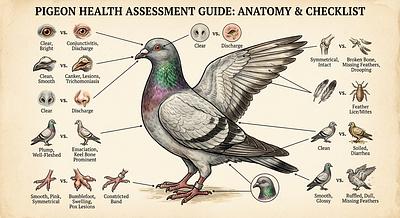
Pigeons can be afflicted by various infectious and parasitic diseases that affect their respiratory, digestive, and systemic health. Key diseases include:
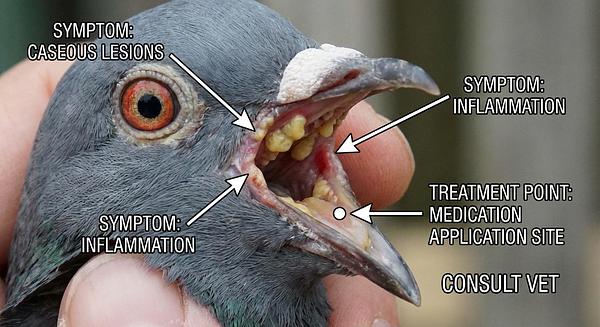
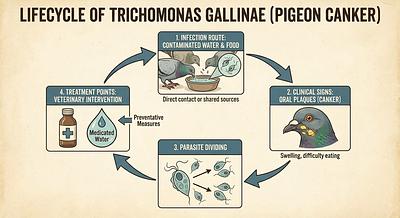
- Canker (Trichomoniasis): A protozoal infection causing oral lesions and digestive tract issues.
- Coccidiosis: A parasitic infection affecting the intestinal tract.
- Respiratory Infections: Often bacterial or viral, causing symptoms like nasal discharge, sneezing, and breathing difficulty.
- Pigeon Pox: Viral disease causing skin lesions.
- Paratyphoid (Salmonella): Bacterial infection causing sudden death, diarrhea, and joint infections.
- Worm infestations: Including roundworms and tapeworms.
- Paramyxovirus: A viral infection with neurological symptoms.
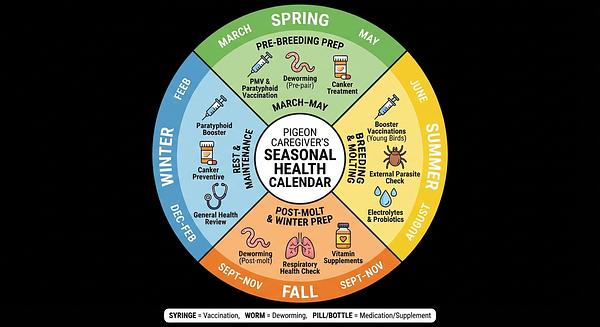
Seasonal factors influence the incidence and severity of these diseases, requiring adaptive care strategies.
Seasonal Variations in Pigeon Health
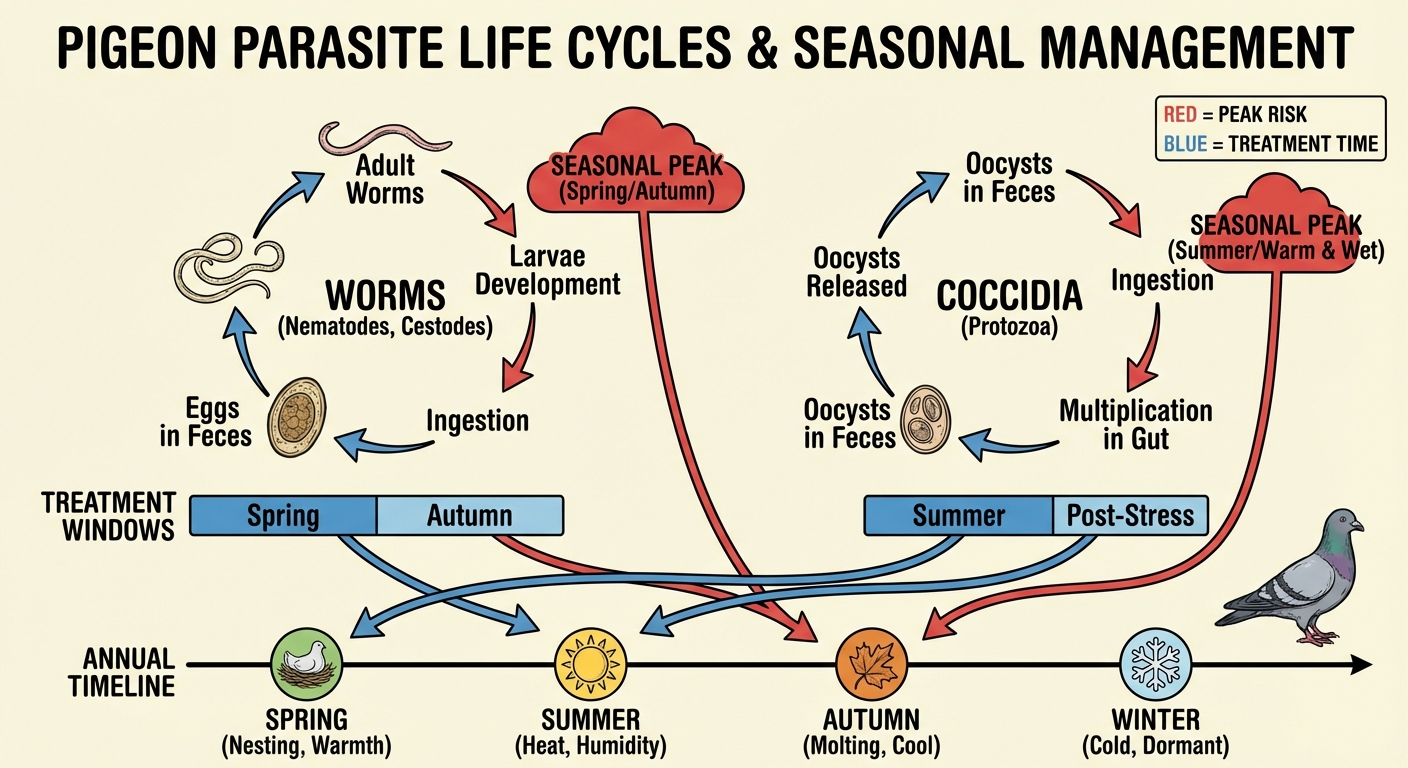
Spring and Early Summer
- Breeding Season: Increased stress from breeding can reduce immune defenses.
- Parasite Risk: Worms and coccidia often proliferate due to warmer, moist conditions.
- Preventive Measures: Routine prophylactic medication against worms and coccidia is advisable.
- Treatment Considerations: Avoid prolonged antibiotic use during feather growth to prevent feather quality degradation.
Mid to Late Summer
- Pigeon Pox Risk: Spread by biting insects increases; vaccination is critical before this season.
- Respiratory Diseases: Hot, humid weather can exacerbate respiratory infections.
- Environmental Management: Ensure dry, well-ventilated lofts to reduce disease risk.
Fall and Early Winter
- Canker and Respiratory Disease: These can increase due to temperature fluctuations and damp conditions.
- Immune Support: Supplement multivitamins and minerals to bolster resistance.
- Medication: Use targeted treatments such as Ronidazol for canker and doxycycline for respiratory infections.
Winter
- Reduced Activity: Pigeons may be less active, potentially masking disease symptoms.
- Cold Stress: Increases vulnerability to infections.
- Preventive Care: Maintain clean, dry, and draft-free lofts; continue supportive supplementation.
Practical Medical Treatments and Protocols
Canker Treatment
- Use Ronidazol (10%), Metronidazole, or Spartrix (Carnidazole).
- Administer in drinking water for 6 days or as prescribed.
- Rotate medications periodically to avoid resistance.
Coccidiosis
- Treat with Baycox (toltrazuril): 3 ml per liter of water for 2 days.
- Preventive dosing during susceptible seasons is recommended.
Respiratory Infections
- Use Doxycycline alone or combined with Tylosin for 4-10 days depending on severity.
- Follow antibiotic courses with probiotics to restore gut flora.
Parasite Control
- Administer Moxidectin Plus for worms and mites, especially in outdoor birds, at least thrice yearly.
- Treat tapeworms with Praziquantel-containing medications.
- Scrape and sanitize loft regularly to prevent reinfection.
Viral Diseases
- Vaccinate against Pigeon Pox using the Maine Biological Injectable Vaccine.
- No effective cure for Paramyxovirus; supportive care and isolation recommended.
- Use La-Sota vaccine as a treatment adjunct for Paramyxovirus under veterinary guidance.
Loft and Environmental Management
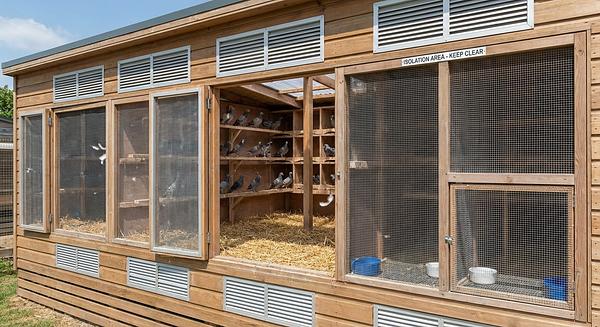
- Maintain dry, well-ventilated lofts to reduce respiratory and skin infections.
- Provide fresh water, grit, oyster shell, and vitamin/mineral supplements daily to support health and feather quality.
- Clean loft floors and perches regularly to minimize pathogen load.
- Control rodents and insects that can transmit diseases.
Nutritional and Immune Support
- Supplement with multivitamins, amino acids, and minerals once or twice weekly, especially during stressful seasons.
- Use Oxy-B (an oxygen enhancer) and immune boosters during moulting and disease outbreaks.
Key Takeaways for Seasonal Pigeon Health Management
| Season | Key Health Risks | Recommended Actions |
|---|---|---|
| Spring/Early Summer | Parasites, breeding stress | Preventive worming, avoid long antibiotics |
| Mid/Late Summer | Pigeon pox, respiratory infections | Vaccination, ventilation, insect control |
| Fall/Early Winter | Canker, respiratory diseases | Targeted medication, immune support |
| Winter | Cold stress, hidden infections | Maintain dry loft, supplementation |
Conclusion
Effective pigeon rescue and care require attention to the seasonal dynamics of pigeon health and disease. Implementing a year-round health management program that incorporates preventive treatments, vaccinations, environmental hygiene, and nutritional support can significantly reduce disease incidence and improve recovery outcomes. Caregivers should work closely with avian veterinarians to tailor treatments and maintain optimal health for rescued pigeons throughout the year.
This guide synthesizes current best practices and research to empower pigeon rescuers with actionable knowledge for safeguarding pigeon health across seasons.
💬 Comments (0)