
Pigeon Rescue: First Aid & Emergency Care with Seasonal Considerations
Pigeons, like many wild birds, face numerous hazards that can result in injury or illness. Immediate and appropriate first aid can make the difference between survival and fatality. Understanding how to provide emergency care tailored to seasonal variations enhances the chances of successful rescue and recovery.
Recognizing When to Intervene
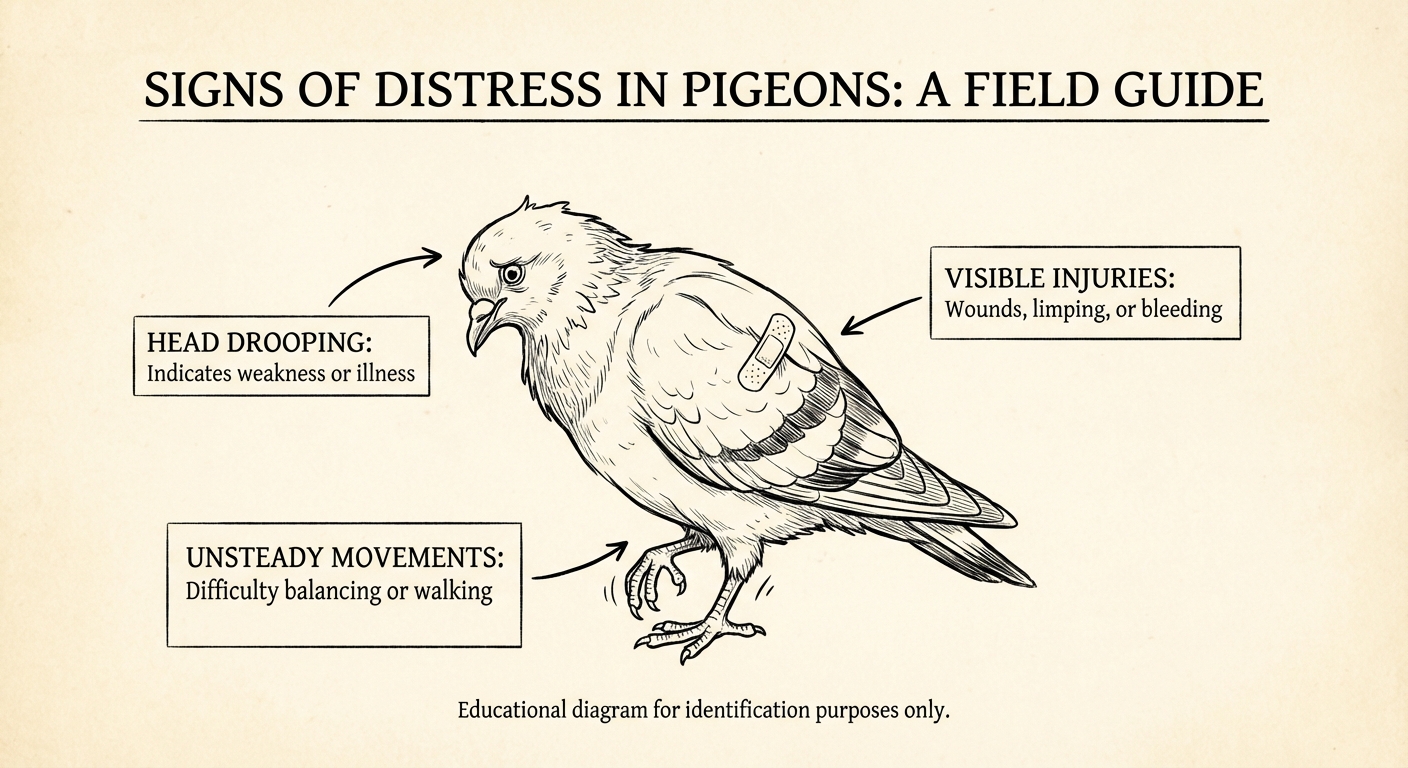
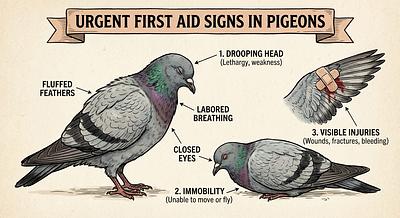
- Signs of severe distress: A pigeon with a drooping or inverted head, unsteady movements, or immobility on the ground likely needs urgent help. Conditions such as paramyxovirus (PMV), head trauma, poisoning, or severe dehydration can cause these symptoms.
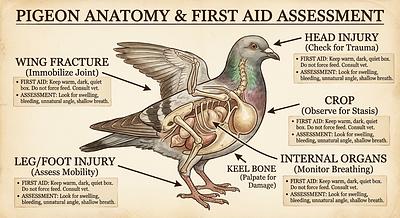
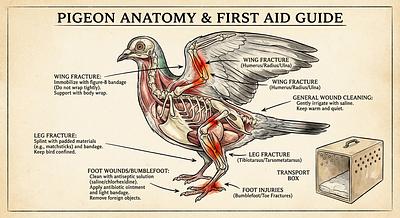
- Visible injuries: Broken wings or legs cause extreme pain and stress, requiring a safe space and prompt veterinary care.
- Baby pigeons: Fledglings outside nests unable to fly are vulnerable. Attempt to return them to the nest; if unsuccessful or parents are absent for prolonged periods, rescue is necessary.
Seasonal Considerations in First Aid
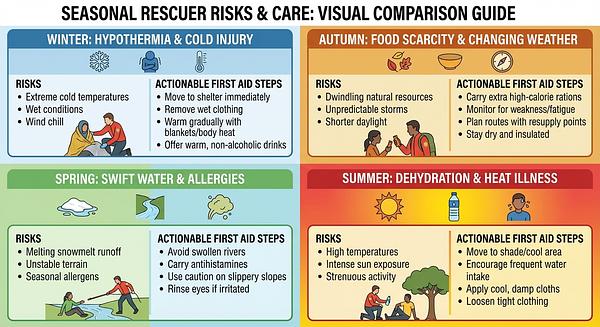
Pigeons’ vulnerability and care needs vary with seasons due to temperature, food availability, and disease prevalence.
Winter and Cold Seasons
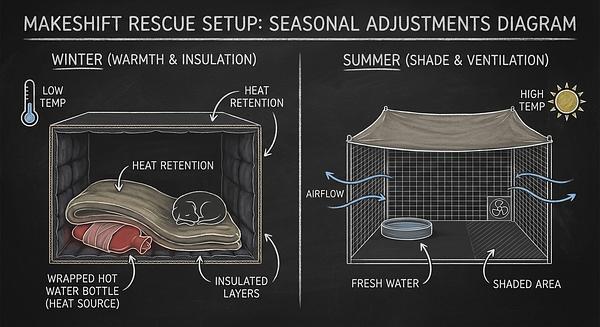
- Hypothermia risk: Injured or sick pigeons struggle to maintain body heat. Immediate warming is crucial using towels, hot water bottles wrapped in cloth, or heat lamps set to safe temperatures (25–30°C).
- Shelter: Provide a quiet, dark, and warm environment to reduce stress and energy loss.
- Hydration: Dehydration risk increases as water sources freeze. Offer warmed electrolyte solutions (pinch of salt and sugar dissolved in warm water) cautiously via eyedropper if the bird is alert.
Spring and Summer
- Increased activity and injury risk: Birds are more active, increasing encounters with predators, vehicles, and hazards like fences or power lines.
- Heat stress: Avoid overheating; ensure ventilated rescue boxes and shaded areas.
- Disease surveillance: Warmer months can increase parasite load and infectious diseases, so monitor for symptoms such as discharge or lethargy.
Autumn
- Preparation for winter: Birds may appear emaciated and weak due to reduced food availability. Supplemental feeding with suitable grains can support recovery post-first aid.
- Injury from migration or dispersal: Increased movement can lead to trauma from collisions.
Practical First Aid Steps
Secure the Pigeon Safely
- Gently capture using a towel to avoid flapping injuries to both rescuer and bird.
- Place in a ventilated, dark box lined with soft cloth or newspaper.
Stop Bleeding and Clean Wounds
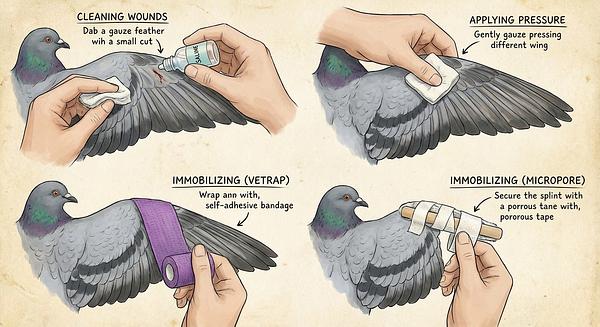
- Use warm saline (1 teaspoon salt to 1 cup water) to gently clean wounds.
- Apply gentle pressure to stop bleeding; avoid ointments that can cause feather contamination or excessive preening.
Immobilize Suspected Fractures
- Tape wings together at the tips and around shoulders using micropore tape or Vetrap to minimize pain and further damage.
Warm and Hydrate
- Wrap in a warm towel and provide heat source as needed.
- Offer electrolyte solution by eyedropper if the bird is responsive and not in shock.
Monitor for Shock
- Signs include weakness, fluffed feathers, slow inhalation and rapid exhalation. Keep bird warm, quiet, and moist environment.
Seek Veterinary Care
- Contact an avian veterinarian or wildlife rehabilitation center immediately.
- Keep emergency numbers handy for local avian vets, poison control, and wildlife groups.
Special Notes on Baby Pigeons
- Baby pigeons (nestlings) require extra warmth and minimal handling to avoid stress.
- If nest cannot be found or parents are absent for over an hour, rescue and veterinary consultation are advised.
Safe Environment Setup for Recovery
- Use dark, quiet rooms away from pets and noise.
- Maintain temperature appropriate to season: warmer in winter, cool and ventilated in summer.
- Provide clean water and suitable food once the bird is stable.
Additional Seasonal Tips
| Season | Key Considerations | Care Adjustments |
|---|---|---|
| Winter | Hypothermia, dehydration | Use heat sources, electrolyte fluids, insulated shelter |
| Spring/Summer | Heat stress, increased injuries, parasites | Provide shade, hydration, parasite observation |
| Autumn | Food scarcity, trauma from migration | Supplemental feeding, minimize stress |
Conclusion
Effective pigeon rescue first aid involves prompt recognition, safe handling, and tailored care taking into account seasonal challenges. Providing warmth, hydration, immobilization, and quick access to veterinary care significantly improves survival odds. Rescuers should prepare by assembling a first aid kit, learning safe handling techniques, and maintaining local emergency contacts.
References:
- Destringers' Field Guide: First Aid
- Greencross Vets: How to Help an Injured Bird
- The Parrot Society UK: First Aid & Emergency Care for Birds
- RSPCA: Found an Injured Pigeon
- MSD Veterinary Manual: First Aid Kit for Pet Birds
This guide empowers rescuers with detailed, seasonally adapted first aid knowledge to improve outcomes for injured or sick pigeons.
💬 Comments (0)