
First Aid and Emergency Care for Injured or Sick Pigeons: Case Studies and Practical Guidance
When encountering an injured or sick pigeon, immediate and appropriate first aid can be lifesaving. This article focuses on real-world examples and case studies to provide rescuers and caregivers with detailed, actionable steps for first aid and emergency care, going beyond basic advice to highlight critical interventions and considerations.
Understanding When to Intervene
Pigeons may appear vulnerable for various reasons, but certain signs indicate urgent need for intervention:
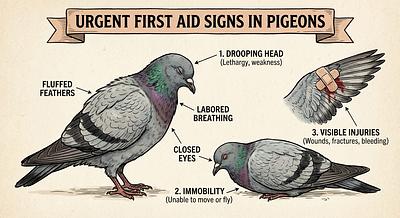
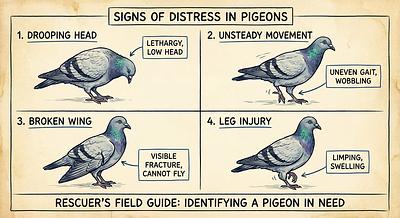
- Unusual posture or movement: A pigeon with a drooping or upside-down head, unsteady movement, or lying immobile on the ground likely suffers from severe illness or trauma (e.g., paramyxovirus infection, head injury, poisoning).
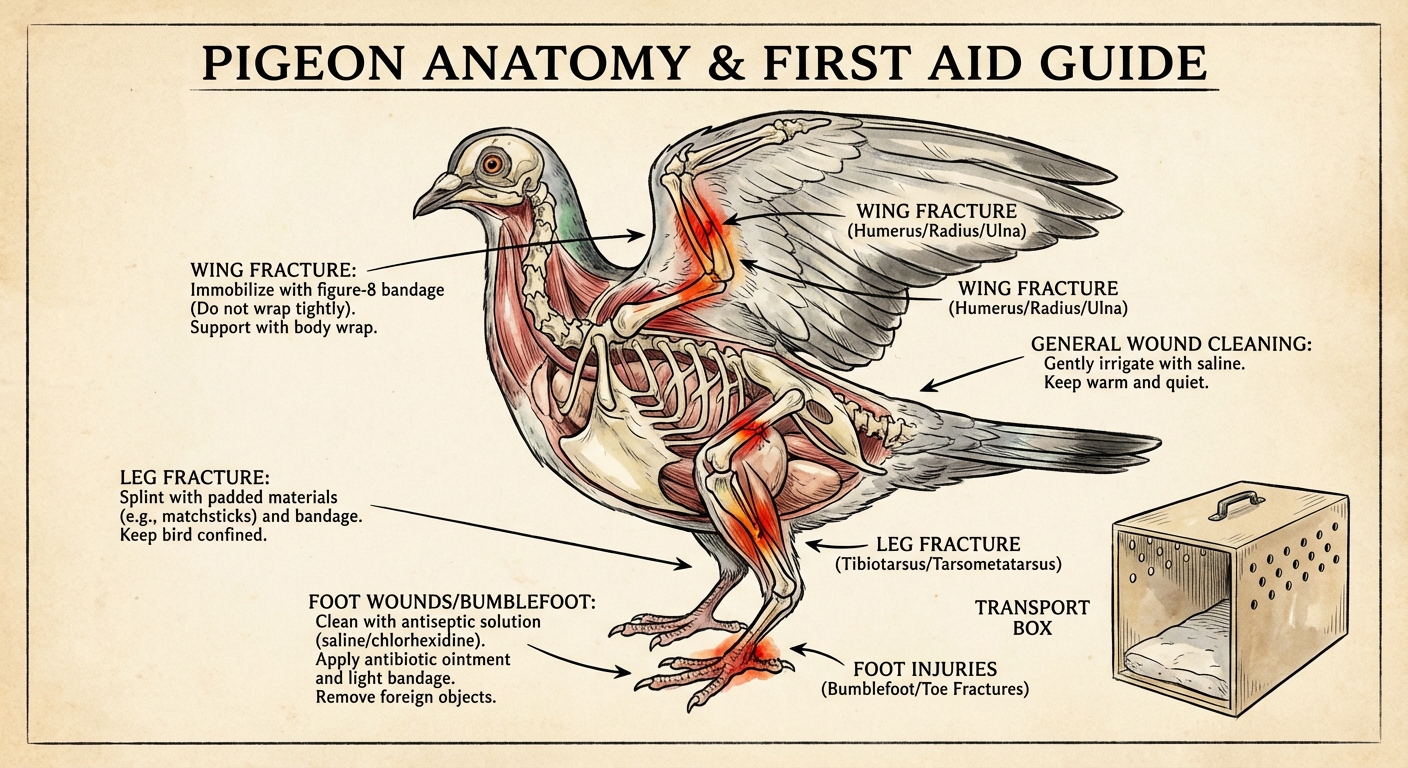
- Visible fractures: Broken wings or legs cause extreme pain and stress, necessitating swift medical attention.
- Orphaned chicks: Baby pigeons found outside the nest unable to fly require rescue if parents are absent beyond about an hour, as their survival depends on parental care.
Case Study: A rescuer found a pigeon with a visibly broken wing, immobilized and stressed. Wrapping the bird gently in a towel and transporting it quickly to a veterinary clinic resulted in stabilization and eventual recovery, illustrating the importance of early immobilization and professional care.
Initial First Aid Steps
1. Securing and Handling
- Use a soft towel or cloth to gently but firmly wrap the pigeon, limiting movement to prevent further injury.
- For birds with potential beak or talon injuries (e.g., raptors), additional protective measures such as wrapping feet or using gloves are essential.
2. Providing Warmth
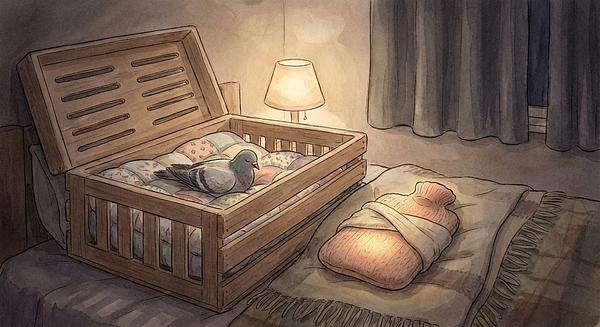
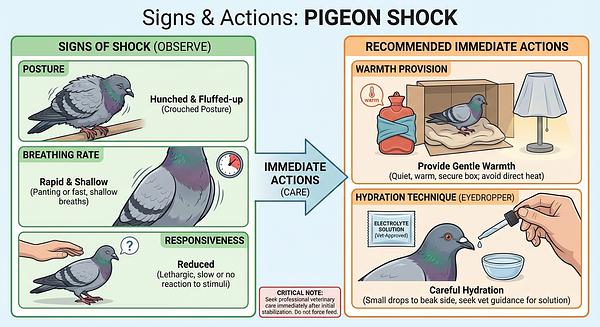
- Injured or sick pigeons often experience shock and hypothermia.
- Place the wrapped bird in a quiet, dark, and warm environment (25–30°C). Use a towel-wrapped hot water bottle or heat lamp, ensuring no direct heat contact to avoid burns.
3. Hydration
- If the pigeon is alert and responsive, rehydration can be attempted.
- Prepare an electrolyte solution: a pinch of salt and sugar dissolved in warm water.
- Administer a few drops at the side of the beak every few minutes using an eyedropper, avoiding forceful feeding to prevent aspiration.
4. Wound Care
- Clean wounds gently with warm saline or saltwater solution (1 teaspoon salt per cup of water).
- Avoid using antiseptic creams or ointments as they may contaminate feathers and provoke excessive preening or self-injury.
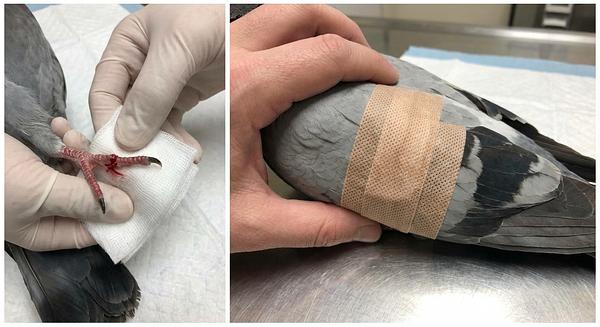
- Control bleeding with gentle pressure; natural clotting agents like soap powder or cornflour can be applied carefully.
Case Study: A pigeon with a bleeding foot wound was stabilized by cleaning the wound with saline and gently applying pressure with sterile gauze. The rescuer avoided ointments and promptly sought veterinary care, preventing infection and further trauma.
5. Immobilization
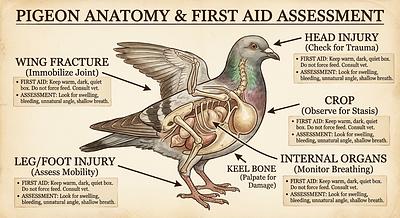
- For suspected fractures, temporary immobilization reduces pain and prevents further tissue damage.
- Wrap the bird in a towel and, if trained, tape wings gently at the tips and shoulders using micropore or vet wrap.
- Use a small box padded with soft cloth for transport to minimize movement.
When to Seek Professional Care
- Lethargy, unresponsiveness, severe bleeding, suspected poisoning, or major fractures require immediate veterinary attention.
- Always have contact information for local avian veterinarians, emergency clinics, and poison control centers readily available.
Case Study: A pigeon that collided with a car appeared weak and unresponsive. After initial first aid (warming and immobilization), the rescuer contacted an avian vet who provided critical supportive care, leading to successful rehabilitation.
Caring for Baby Pigeons
- If a nestling is found out of its nest, attempt to return it promptly.
- If parents are absent for over an hour or the nest cannot be found, rescue is necessary.
- Keep babies warm, quiet, and safe from predators.
- Avoid feeding unless trained, as improper feeding can be harmful; seek expert advice.
Practical Tips Summary
- Safety first: Protect yourself and the bird during handling.
- Minimize stress: Keep lighting low and noise minimal.
- Warmth is critical: Hypothermia exacerbates injuries.
- Hydration aids recovery: Use gentle, appropriate fluids.
- Avoid harmful substances: Do not use non-recommended ointments or antiseptics.
- Transport carefully: Use padded boxes or towels to prevent further injury.
- Document and communicate: Take photos and describe symptoms when seeking remote advice.
Conclusion
Effective first aid for injured or sick pigeons relies on prompt, calm intervention prioritizing warmth, hydration, immobilization, and careful handling. Learning from real cases highlights the nuances of treatment that improve survival odds before professional veterinary care can be obtained. Rescuers equipped with practical, case-informed knowledge provide invaluable assistance to these urban wildlife survivors.
References
- Destringers' Field Guide: First Aid for Pigeons
- MSD Veterinary Manual: Bird First Aid Kit
- Greencross Vets: Injured Bird Care
- The Parrot Society UK: Emergency Care for Birds
- RSPCA: Injured Pigeon Guidance
- Merck Veterinary Manual: Pet Bird Injuries
💬 Comments (0)