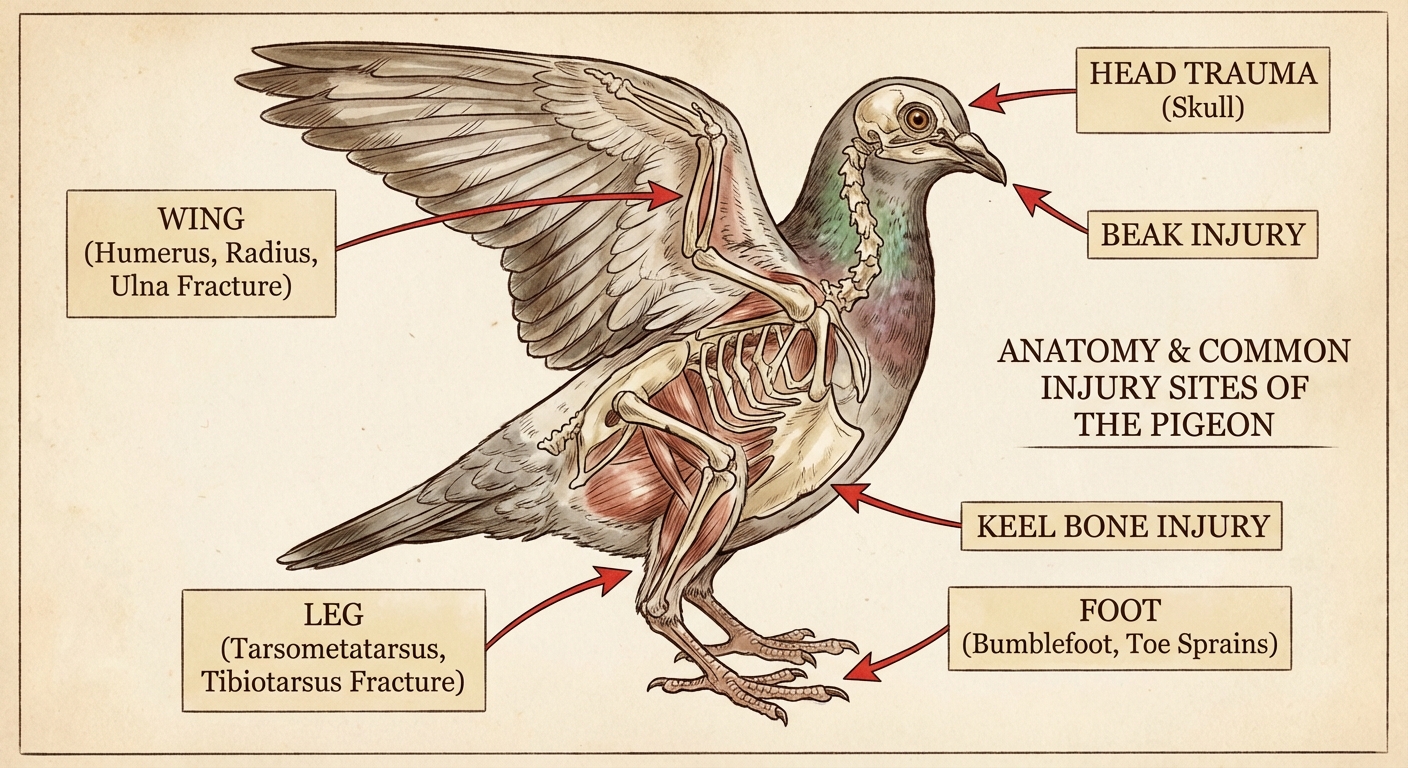

First Aid & Emergency Care for Injured or Sick Pigeons: Troubleshooting and Practical Solutions
Caring for an injured or sick pigeon requires prompt action, careful observation, and practical problem-solving to stabilize the bird before professional help is available. This guide focuses on troubleshooting common emergencies, providing actionable first aid steps, and addressing difficulties rescuers frequently face.
Understanding When to Intervene
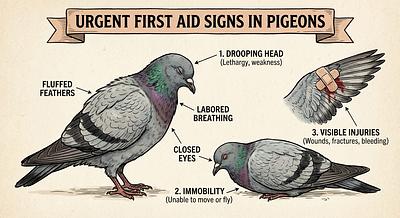
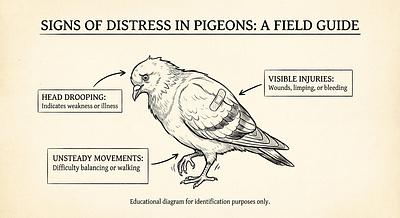
- Signs of critical distress: Pigeons with a drooping or upside-down head, unsteady movements, or immobility on the ground require immediate attention, as they may suffer from head trauma, poisoning, or severe disease such as Paramyxovirus (PMV).
- Young pigeons outside the nest: If a baby pigeon is found outside the nest and cannot fly, parents usually cannot care for it. Attempt returning it to the nest or rescue if the nest is unknown or parents absent for over an hour.
Step 1: Secure and Stabilize the Pigeon
- Safe capture and containment: Gently secure the bird using a soft towel to prevent escape or injury to both rescuer and pigeon. Ensure you control wings and feet to avoid flapping or pecking injuries.
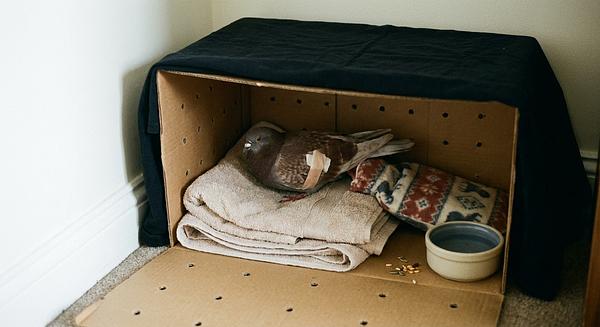
- Provide warmth: Hypothermia is common in injured birds. Use a towel-wrapped hot water bottle, heating pad on low, or a low wattage lamp directed towards the bird, ensuring gradual warming. Avoid heat if head trauma is suspected, as it may exacerbate swelling.
- Quiet, dark isolation: Place the pigeon in a quiet, darkened box or cage to reduce stress and encourage rest. This environment aids recovery and prevents further injury from panic or flapping.
Step 2: Assess and Manage Injuries
Bleeding
- Minor wounds: Clean gently with warm saline (1 tsp salt to 1 cup water). Avoid antiseptic creams as they may contaminate feathers and cause excessive preening or self-mutilation.
- Stopping bleeding: Apply gentle pressure with sterile gauze or cloth. If bleeding is severe or persistent, seek veterinary care immediately.
- Separating from flock: If bleeding is heavy, or the wound is likely to infect others, isolate the pigeon to prevent contamination and stress.
Broken Wings or Legs
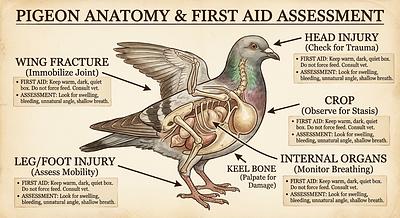
- Pigeons with visibly broken limbs require immobilization and urgent veterinary attention. Avoid attempting to set bones yourself; temporary immobilization can be done by loosely wrapping the wing against the body with soft tape (e.g., Vetwrap) to reduce pain and movement until professional care is available.
Head Trauma and Neurological Signs
- Signs include disorientation, unsteady gait, or abnormal head position. Do not apply heat; keep the bird calm and transport to a vet immediately.
Step 3: Rehydration and Nutrition
- Only after warming: Do not offer fluids or food to a cold or unresponsive bird.
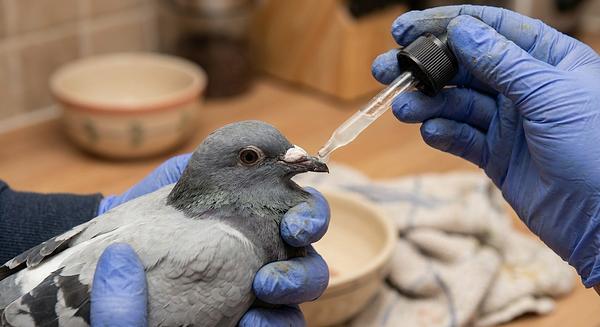
- Hydration: Use an eyedropper to administer a rehydration solution (warm water mixed with a pinch of salt and sugar) slowly at the edge of the beak every few minutes, avoiding nostrils.
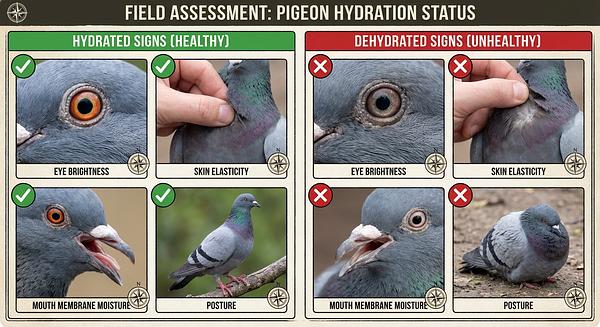
- Monitoring hydration status: Well-hydrated pigeons have moist mouth membranes, bright eyes, and elastic skin; dehydrated birds appear lethargic with dry mucous membranes and poor skin elasticity.
Troubleshooting Common Challenges
| Challenge | Practical Solution |
|---|---|
| Bird panics and injures itself or rescuer during capture | Use a thick towel to gently wrap and secure wings and feet; approach calmly and confidently. |
| Suspected poisoning or unknown illness | Avoid giving food or fluids; prioritize safe containment and immediate veterinary evaluation. |
| Bleeding wounds seem minor but persist | Clean with saline, apply pressure bandage if possible, and monitor closely; seek vet care if no improvement. |
| Baby pigeon appears abandoned but parents nearby | Observe from a distance for at least an hour before intervening; move fledglings only if in immediate danger. |
| No access to specialized avian supplies | Use household items like a clean sock filled with rice (heated carefully) for warmth, and homemade rehydration solutions as emergency substitutes. |
Preparing for Veterinary Care
- Keep contact info for local wildlife rehabilitators and avian vets readily accessible.
- Transport the pigeon in a secure, warm, and dark container to reduce stress.
- Inform the vet of all symptoms observed and first aid administered.
Summary
Successful emergency care for pigeons hinges on quick, calm, and knowledgeable action: securing the bird safely, providing warmth and isolation, managing bleeding and injuries judiciously, and cautiously offering hydration. Troubleshooting common problems like panic, dehydration, and handling challenges enhances the bird’s survival chances until professional help is available. Always prioritize veterinary evaluation for serious injuries or illness.
This practical guide empowers rescuers to confidently provide first aid to pigeons, emphasizing problem-solving to navigate the complexities of avian emergencies.
💬 Comments (0)