
Pigeon Rescue: First Aid & Emergency Care – A Step-by-Step Guide
Rescuing an injured or sick pigeon requires calm, careful action and knowledge of immediate first aid measures to stabilize the bird before professional veterinary care can be obtained. This guide provides detailed, practical steps to help rescuers and caregivers provide effective emergency care for pigeons.
1. Initial Assessment and Safety
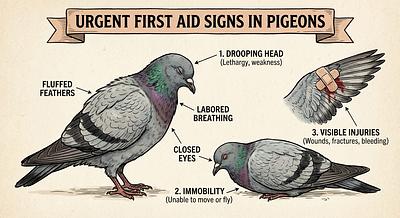
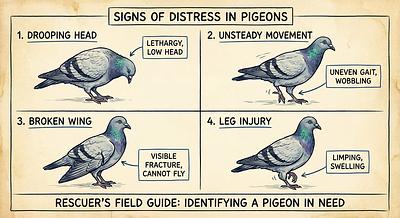
- Observe from a distance: Before approaching, watch the pigeon to assess its condition. Signs of severe distress include head drooping or upside down, unsteady movements, or immobility, indicating urgent medical need or potentially fatal conditions such as head trauma or disease.
- Ensure your safety and the bird’s: Approach quietly and gently. Use a towel to safely catch the pigeon, as birds may panic, flap wings, or peck.
2. Securing and Handling the Pigeon
- Wrap the pigeon gently in a soft towel: This restrains wings and feet, reduces stress, and prevents injury to both bird and rescuer.
- Control dangerous parts: For birds with sharp beaks or claws, wrapping feet and covering the head can prevent injury.
3. Providing Warmth (Heat)
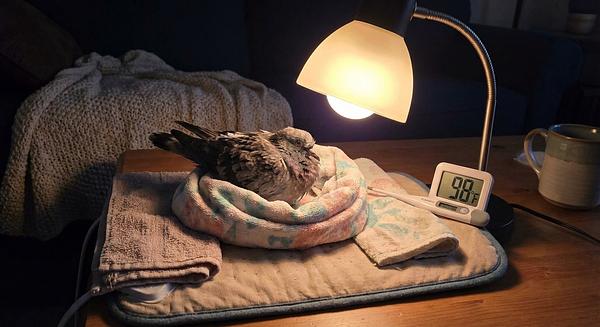
- Warm the bird gradually: Hypothermia is common in injured or sick pigeons. Use a towel-wrapped hot water bottle, heating pad on low, or a low wattage lamp directed at the bird's enclosure. Avoid overheating or direct heat on the bird.
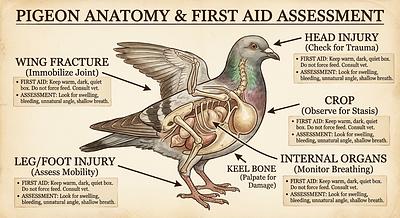
- Special caution: If head trauma is suspected, avoid applying heat directly as it might exacerbate swelling.
- Alternative heat source: A microwaved rice-filled sock (not too hot) can be used to provide gentle warmth.
4. Isolation and Calm Environment
- Place the pigeon in a quiet, dark, and warm space: A small box lined with soft towels or tissues reduces stress and helps stabilization.
- Minimize disturbance: Keep noise and light low, and avoid unnecessary handling to prevent additional stress.
5. Assessing and Administering Fluids (Hydration)
- Do not provide fluids if the bird is cold or unresponsive: This can cause aspiration or worsen condition.
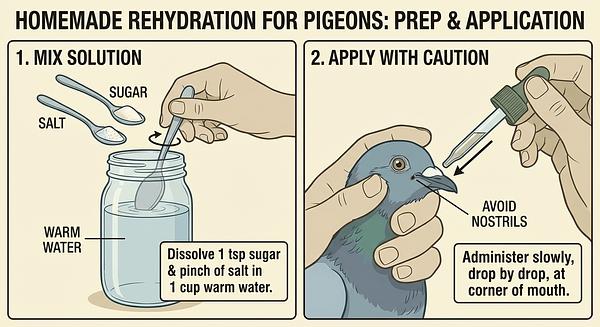
- After warming and once alert: Rehydrate using an eyedropper or syringe without a needle, administering small drops of a homemade rehydration solution (warm water with a pinch of salt and sugar) along the side of the beak every few minutes.
- Avoid fluid entering nostrils: This can cause respiratory distress.
- If no rehydration solution is available: Use plain warm water cautiously or unflavored Pedialyte as an emergency substitute.
6. Managing Wounds and Bleeding
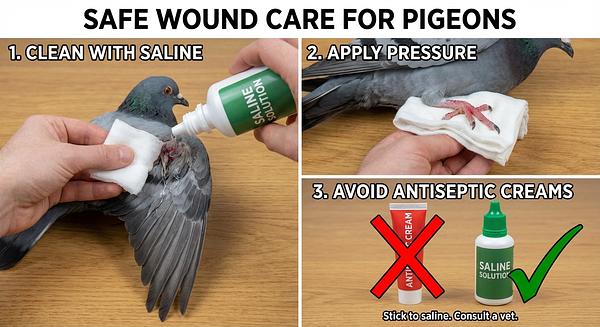
- Control bleeding: Apply gentle pressure with sterile gauze or clean cloth. Use warm saline solution (1 tsp salt in 1 cup warm water) to gently clean wounds.
- Avoid antiseptic creams: These can contaminate feathers and cause excessive preening or self-harm.
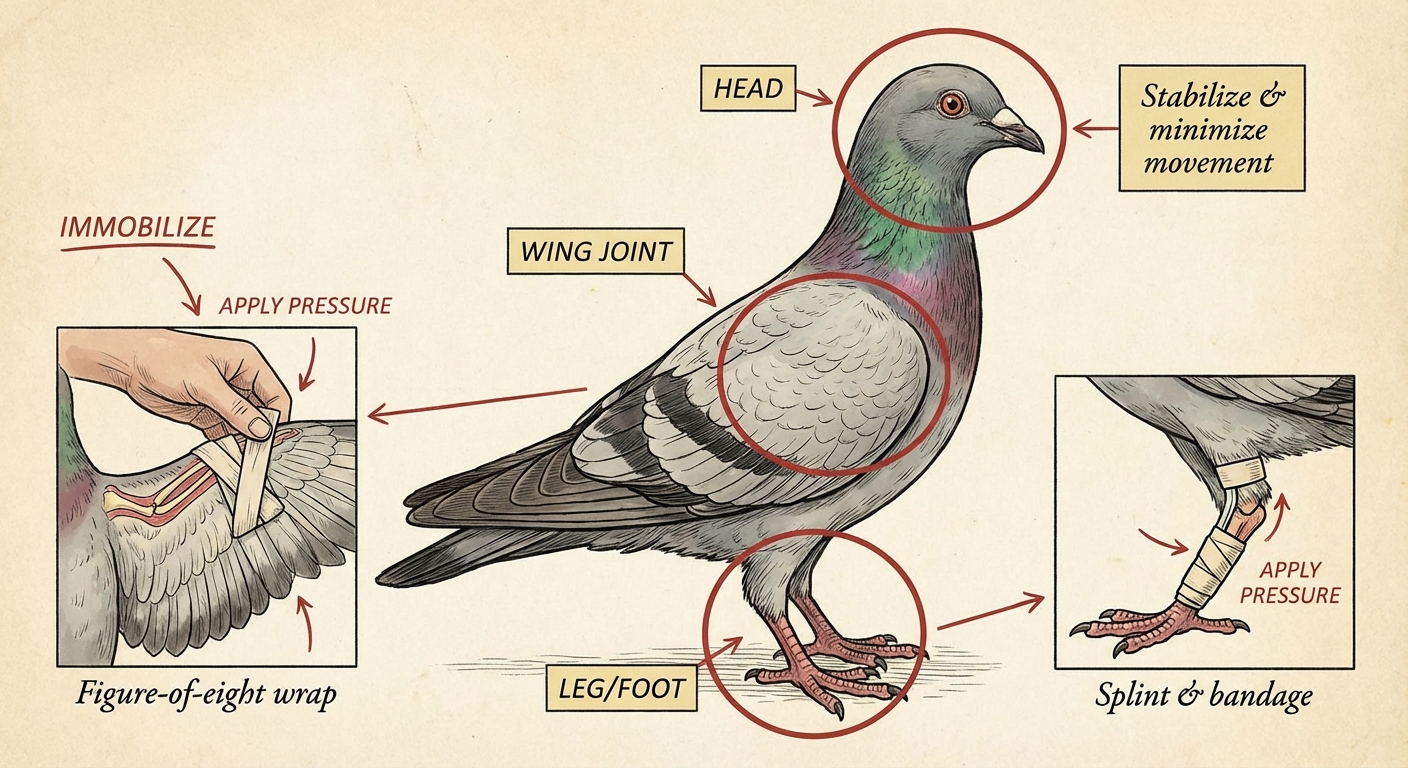
- Temporary immobilization: For broken wings or legs, gently tape wings or limbs with micropore tape or Vetwrap to prevent further injury until veterinary care.
7. Feeding Considerations
- Do not feed until the pigeon is warm and hydrated: Feeding a cold or dehydrated bird can be harmful.
- Once stable: Provide easily digestible foods like corn, lentils, or pigeon pellets. Avoid sudden dietary changes.
8. When to Seek Professional Help
- Urgent veterinary care is critical if:
- The pigeon is unconscious, unresponsive, or severely injured.
- There is severe bleeding, suspected poisoning, head trauma, or broken bones.
- Persistent lethargy or inability to stand and move.
9. Record Keeping and Preparedness
- Keep contact information for local wildlife rehabilitators and avian vets handy. Immediate access to expert help improves outcomes.
- Prepare a basic bird first aid kit: Include micropore tape, clean towels, saline solution, eyedropper, and heating sources.
Summary of Step-by-Step Emergency Care for Injured Pigeons
| Step | Action |
|---|---|
| 1. Initial Assessment | Observe, approach carefully, ensure safety |
| 2. Secure Handling | Wrap gently in towel, control claws/beak |
| 3. Warmth | Provide gentle, gradual heat; avoid overheating |
| 4. Isolation | Quiet, dark, warm environment |
| 5. Hydration | Warm bird first, then administer rehydration solution |
| 6. Wound Care | Control bleeding, clean with saline, avoid antiseptics |
| 7. Feeding | Only after warming and hydration |
| 8. Vet Care | Seek professional help promptly for serious injuries |
Providing immediate first aid to injured or sick pigeons can make a crucial difference in their survival and recovery. Following these detailed, practical steps helps rescuers stabilize birds safely, while preparing for appropriate veterinary treatment.
💬 Comments (0)