
Pigeon Rescue: Nutrition & Feeding Guidelines with Case Studies
Proper nutrition is fundamental to the recovery and long-term health of rescued pigeons. This article explores detailed feeding guidelines and nutritional strategies grounded in real-world rescue experiences and case studies, providing rescuers and caregivers with practical, evidence-based advice to promote optimal pigeon health.
Understanding Pigeon Nutrition Needs
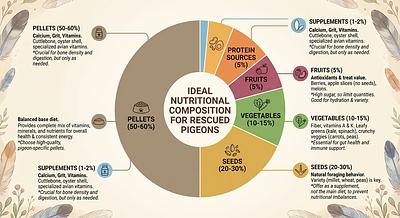
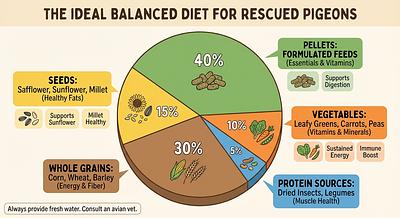
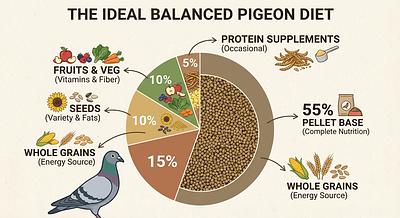
Pigeons are primarily granivores, naturally consuming a diet rich in grains and seeds, but they also benefit from a variety of vegetables, fruits, and supplements for balanced nutrition. Wild pigeons forage a diverse diet, which is often difficult to replicate exactly in rescue settings, making thoughtful supplementation critical.
Key Nutritional Components:
- Seeds and grains: The staple, but should not be the sole diet due to nutrient imbalances.
- Vegetables and fruits: Provide essential vitamins and minerals.
- Supplements: Multivitamins, calcium, vitamin D3, and occasionally garlic supplements support immune function and metabolic health.
- Water: Clean, fresh water is essential and must be available at all times.
Case Study 1: Rehydration and Feeding of a Starved Pigeon
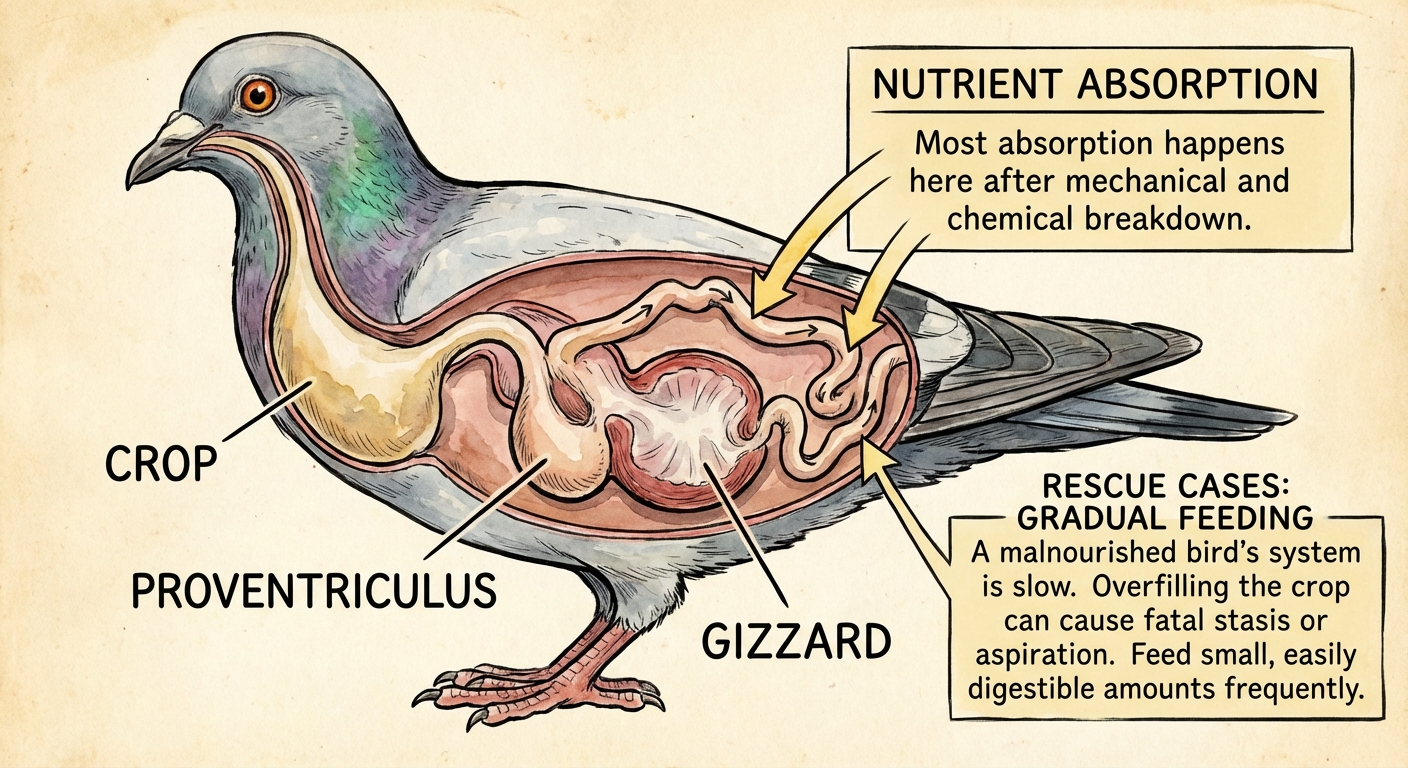
A severely emaciated pigeon rescued in an urban area was initially unable to eat or drink independently. The rescuers first focused on rehydration using water with dissolved electrolytes (a small pinch of salt and sugar) to restore hydration safely. The bird was gently encouraged to drink by dipping its beak in water.
Once stabilized, hand-feeding began with thawed frozen peas, a safe and gentle starter food, administered in very small quantities every few hours to prevent digestive shock. This gradual reintroduction of food helped restart the bird’s digestive system without overwhelming it. Over days, the pigeon transitioned to self-feeding on a formulated seed mix supplemented with vegetables and vitamins.
Lessons:
- Never rush feeding starving birds; rehydration is critical first.
- Use gentle, easily digestible foods initially.
- Monitor for signs of food passing through the digestive tract before increasing food amounts.
Case Study 2: Balanced Diet for Long-Term Rehabilitation
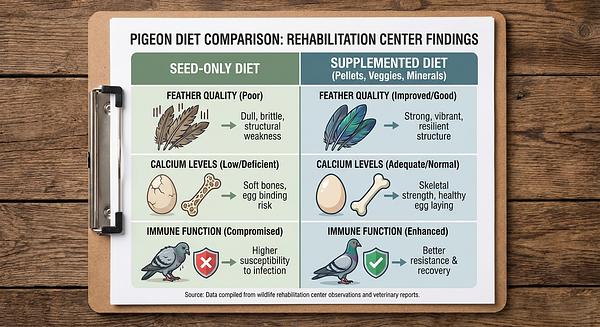
A rehabilitation center for injured pigeons implemented a feeding protocol combining a high-quality seed mix with fresh vegetables and a multivitamin/mineral supplement. They observed that pigeons fed only seed mixes often developed nutritional deficiencies, notably calcium and vitamin D3 insufficiencies, leading to poor feather quality and weak bones.
To address this, they provided meal feeding twice daily, ensuring all food was consumed by evening to avoid overeating and waste. The diet included:
- 2 tablespoons of seed mix per bird, adjusted to actual consumption
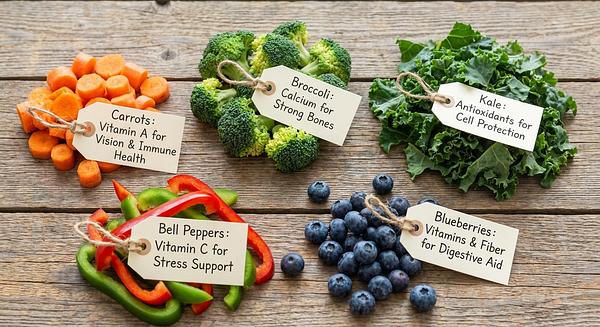
- Fresh vegetables 3-4 times weekly (carrots, broccoli, kale, dandelion greens)
- Small amounts of fruits occasionally
- Bird-safe grit and crushed oyster shell as mineral supplements
- Garlic supplements in water once or twice weekly to enhance immunity and digestion
The center also used full-spectrum light bulbs to aid vitamin D metabolism in indoor birds. This regimen resulted in improved recovery rates, better feather condition, and stronger immune responses.
Lessons:
- Balanced feeding with supplements enhances recovery.
- Monitoring food intake prevents overfeeding and encourages balanced nutrition.
- Environmental factors like light impact nutrient metabolism.
Practical Feeding Tips for Rescuers and Caregivers
Feeding Techniques
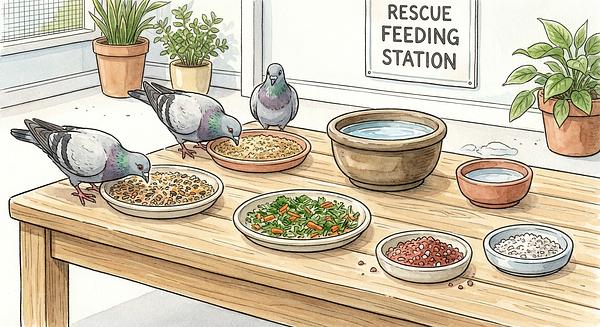
- Use shallow, heavy dishes to prevent tipping and spillage.
- Offer fresh food in the morning and remove leftovers by evening to encourage meal feeding habits.
- Keep water clean and fresh daily; use wide-mouthed containers for easy access.
Food Choices
- Use high-quality commercial seed mixes formulated for pigeons or wild bird mixes if unavailable.
- Supplement with chopped vegetables such as carrots, broccoli, cauliflower, kale, and bell peppers. Avoid iceberg lettuce and avocado as they lack nutrition or are toxic.
- Limit fruits to small quantities and ensure they are fresh, removing uneaten portions within hours.
Supplements
- Add multivitamin and mineral supplements designed for birds to the diet to prevent deficiencies.
- Provide calcium in the form of crushed oyster shell or red pigeon grit, especially important for egg-laying females.
- Garlic supplements can support immune and digestive health but should be used per recommended dosages.
Monitoring and Adjusting Diet
- Track daily food consumption per bird to avoid overfeeding and nutritional imbalances.
- Be patient with new foods; a pigeon may reject a new food initially but accept it later.
- Consult an avian vet or experienced rehabilitator for birds showing signs of malnutrition or feeding difficulties.
Advanced Feeding: Tube Feeding and Recovery Formulas
In severe cases where pigeons cannot feed themselves, tube feeding with a recovery formula such as Harrison’s Bird Foods Recovery Formula may be necessary. This requires careful technique to avoid injury and ensure food reaches the crop safely. The formula is mixed fresh and fed warm, supporting nutritional needs during critical illness or injury.
Summary
Nutrition is a cornerstone of pigeon rescue success. Real-world cases underscore the importance of gradual rehydration and feeding in starved birds, balanced diets supplemented with vitamins and minerals for long-term care, and careful monitoring to tailor feeding quantities and food types to individual needs. Incorporating these evidence-based practices significantly improves health outcomes and recovery rates for rescued pigeons.
For rescuers and caregivers, combining scientifically supported guidelines with attentive observation and flexibility in feeding strategies offers the best chance to restore and maintain the health of these resilient birds.
💬 Comments (0)