
Creating Safe and Seasonal Habitats for Rescued Pigeons: A Comprehensive Guide
Rescuing pigeons involves more than just providing food and water; creating a safe, comfortable, and seasonally appropriate habitat is crucial for their health and wellbeing. This guide focuses on habitat and housing, emphasizing how seasonal variations influence care and environment setup for rescued pigeons.
Understanding Pigeon Housing Needs
Pigeons require environments that allow natural behaviors such as flying, perching, foraging, and bathing. Proper housing must consider space, safety, enrichment, and seasonal protection.
Space Requirements
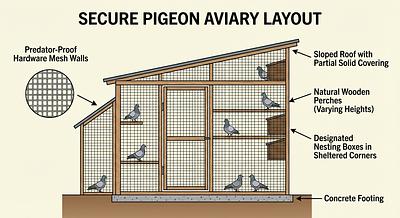
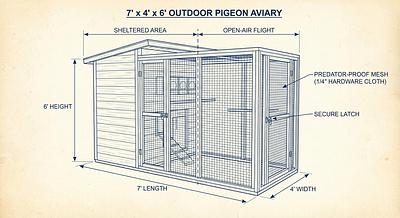
- Aviary Size: For outdoor aviaries, aim for at least 8 to 10 square feet per pigeon, with a minimum size recommendation of around 4' W x 6' L x 6' H for small groups. Larger aviaries allow for better flight and reduce stress.
- Indoor Cages: Minimum of approximately 7200 sq cm (about 1116 sq inches) of floor space per pigeon is recommended if they spend significant time inside the cage. However, pigeons benefit greatly from several hours of supervised out-of-cage time daily.
Safety and Materials
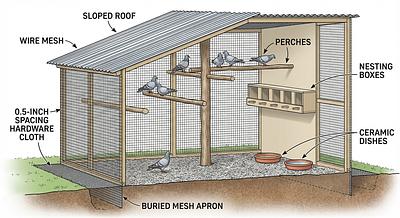
- Use hardware cloth with small mesh size (max 0.5 inches) rather than chicken wire, which can injure birds.
- Aviaries should be predator and rodent-proof, with secure latches and sturdy construction to prevent intrusion.
- Floors should be solid with litter (not wire grid floors) to allow foraging behavior and reduce foot injuries.
Environmental Enrichment
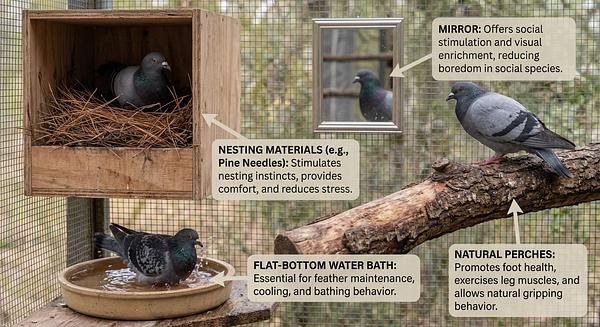
- Provide perches at various heights and thicknesses, preferably natural tree branches rather than dowels.
- Include nest boxes or safe nesting materials to satisfy reproductive behaviors and prevent stress-related egg-laying issues.
- Offer water baths with large flat-bottomed dishes for drinking and bathing, essential for feather maintenance.
- Mirrors can be included as pigeons recognize their reflections and gain social enrichment from them.
Seasonal Considerations for Pigeon Habitat & Housing
Seasonal changes impact temperature, humidity, daylight, and weather conditions, all of which affect pigeon comfort and health.
Winter Housing
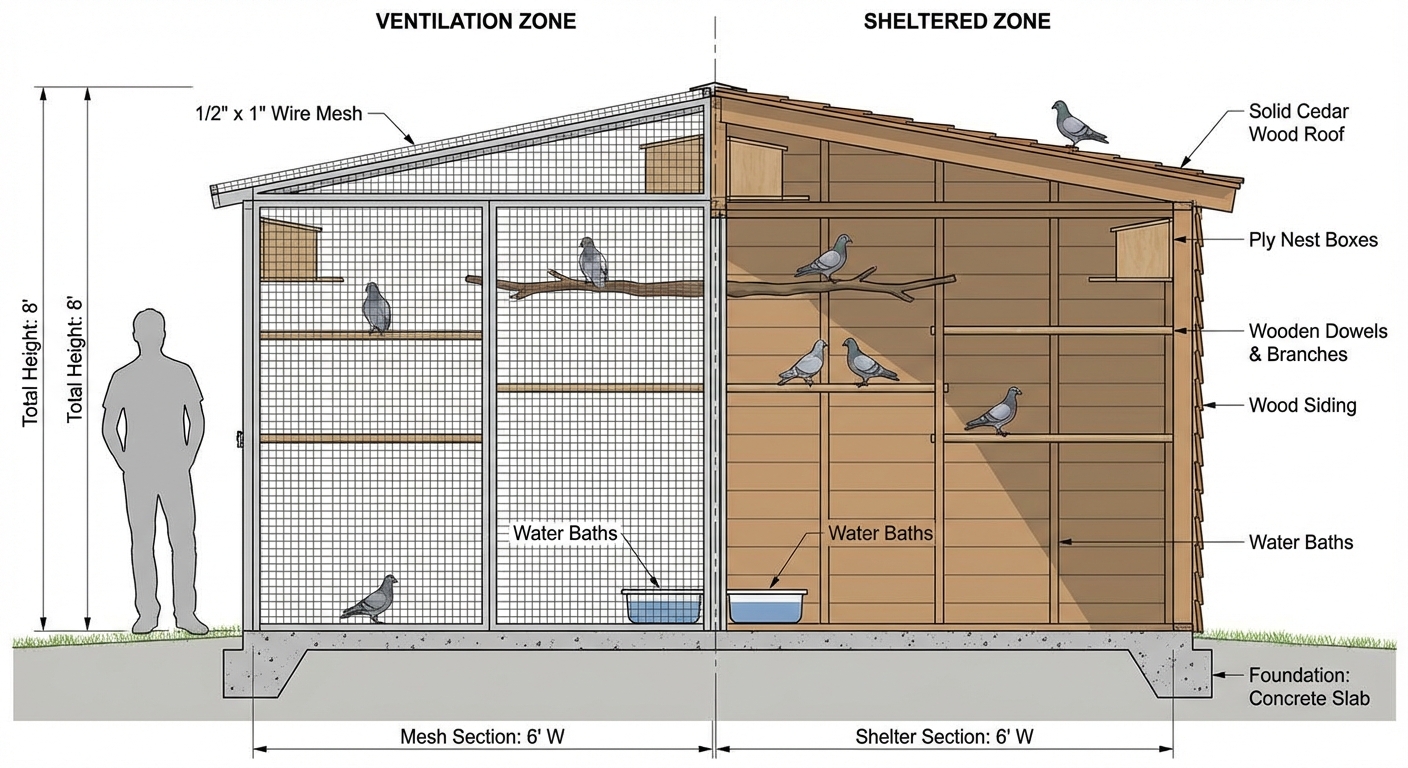
- Shelter: Ensure at least half of the aviary or enclosure is covered with solid roofing and siding to protect from cold winds, rain, and snow.
- Wind Protection: Construct half walls or windbreaks to shield pigeons from harsh winds, especially in colder climates.
- Temperature: Pigeons tolerate cool temperatures but need dry, draught-free shelter to prevent hypothermia. Avoid wire floors that expose feet to cold surfaces.
- Lighting: Provide access to natural sunlight or full-spectrum avian lighting indoors to support vitamin D synthesis, crucial in shorter daylight months.
Summer Housing
- Ventilation: Ensure good airflow in aviaries while maintaining shade to prevent overheating. Mesh sides allow fresh air but provide shaded areas to avoid direct sun exposure.
- Hydration: Increase availability of fresh water and bathing dishes for thermoregulation.
- Pest Control: Monitor for increased insect activity; use safe methods to control pests without harming birds.
Spring and Fall
- These transitional seasons require flexible habitat arrangements:
- Adjust shelter coverage as weather fluctuates.
- Monitor pigeons for signs of molting or breeding behavior.
- Provide nesting materials in spring to accommodate natural reproductive cycles.
Practical Steps for Creating Seasonal Safe Habitats
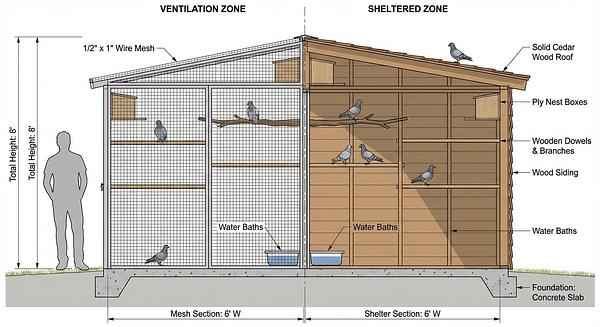
- Design Aviary with Dual Zones: Half open-air with mesh for fresh air and half fully sheltered with roofing and siding for protection.
- Use Durable, Safe Materials: Hardware cloth with 0.5-inch mesh, sturdy wooden frames, and predator-proof locks.
- Install Multiple Perches: Use thick tree branches at varied heights, placed away from feeders to reduce contamination.
- Provide Nest Boxes and Materials: One box per pair, with pine needles or similar natural nesting materials.
- Maintain Cleanliness: Daily cleaning of food, water containers, and litter to reduce disease risk and dust.
- Seasonal Adjustments: Add windbreaks in winter, increase shade in summer, and ensure lighting adequacy indoors during darker months.
- Monitor Bird Behavior and Health: Adjust environment promptly if birds show signs of stress, cold, heat, or illness.
Indoor Housing Considerations
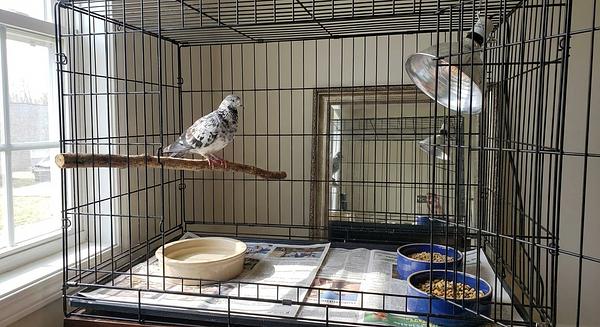
- Provide cages at least 36 inches wide with flat-bottom ceramic dishes for food and water.
- Allow daily supervised out-of-cage time in a safe room to encourage exercise.
- Use full-spectrum lighting and offer sunlit areas free from glass filtering.
- Include enrichment such as mirrors and bathing dishes.
Summary
Creating a safe and healthy habitat for rescued pigeons means balancing space, safety, enrichment, and seasonal needs. By thoughtfully designing aviaries and indoor housing with these considerations, rescuers and caregivers can significantly improve the wellbeing and rehabilitation success of pigeons in their care.
This article synthesizes current best practices and recommendations from pigeon rescue experts and avian care guidelines to provide a detailed, seasonally aware approach to pigeon housing.

💬 Comments (0)