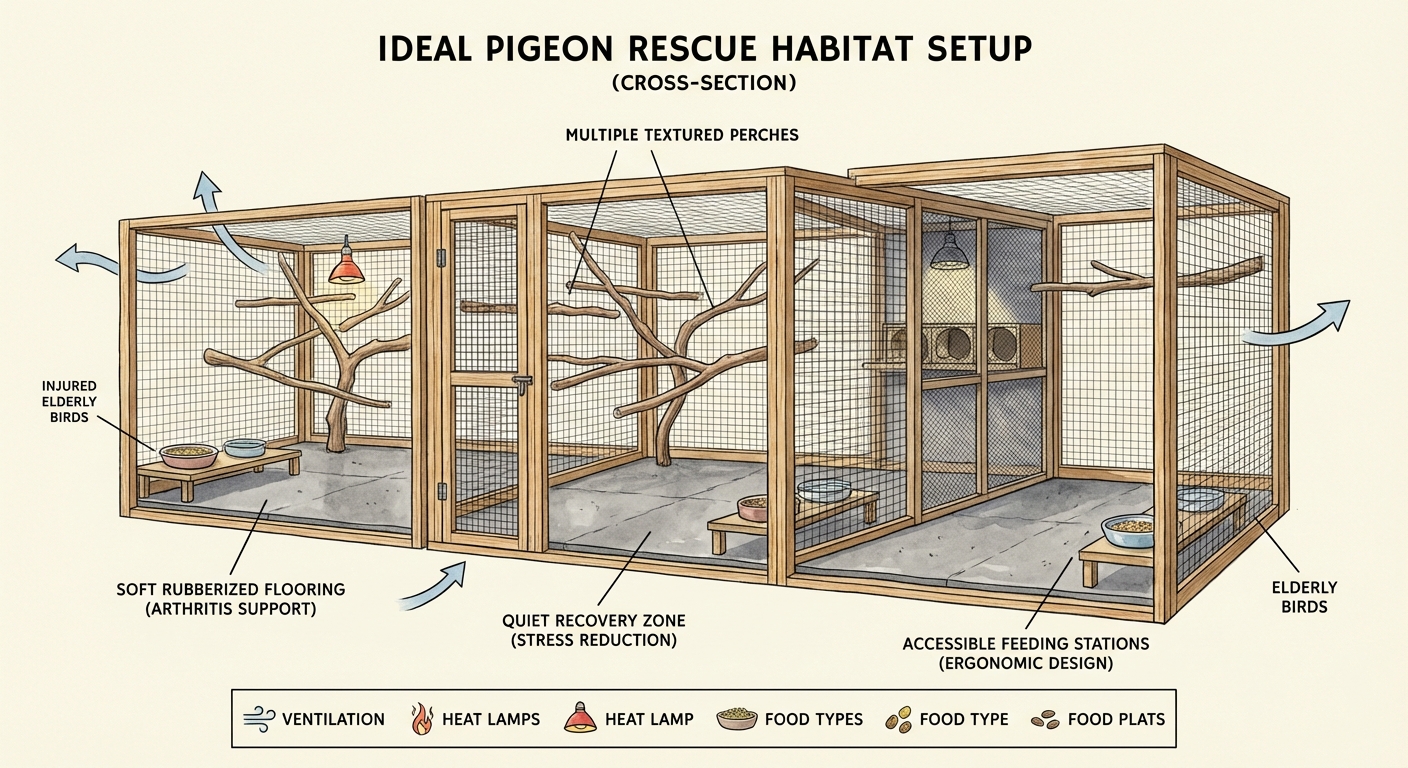

Creating Safe and Supportive Habitats for Rescued Pigeons: Case Studies and Practical Insights
Rescuing pigeons involves not only medical care but also establishing safe and nurturing environments where they can recover, socialize, and thrive. This article explores real-world examples and case studies focusing on the habitat and housing of rescued pigeons, offering practical steps and lessons learned from experienced caregivers.
Understanding Pigeon Habitat Needs in Rescue
Pigeons are highly social birds that thrive in environments providing safety, adequate space, and opportunities for natural behaviors like perching and flying short distances. However, rescued pigeons—especially those coming from stressful situations such as laboratory research or injury—often need tailored housing that balances freedom with security.
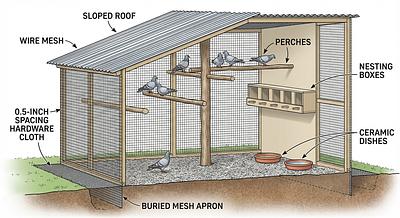
Key habitat requirements include:
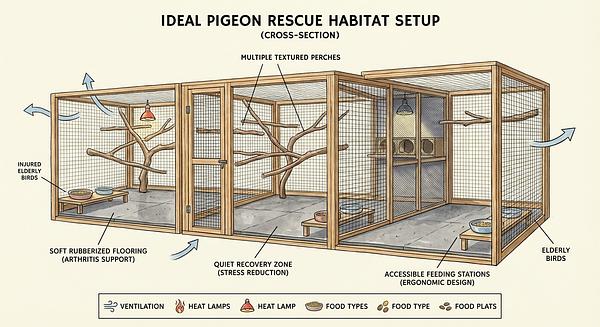
- Secure, spacious enclosures that protect from predators and stressors
- Soft, supportive perches and flooring to accommodate injured or elderly birds
- Quiet zones for vulnerable individuals to retreat from flock dynamics
- Easy access to food and water without competition
- Environmental enrichment to encourage natural behaviors and reduce boredom
Case Study 1: Transitioning Research Pigeons to Sanctuary Life
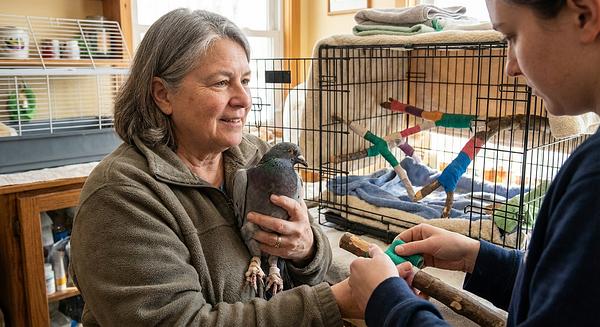
Angela, known as the pigeon whisperer,
adopted a group of elderly pigeons previously used in scientific research at the University of Auckland. These pigeons initially could not be housed together due to stress and aggressive behavior, requiring individual spacious cages.
Practical Lessons:
- Individual Housing with Supervised Socialization: Each pigeon had its own cage with supervised out-of-cage time to explore and gradually acclimate to new surroundings.
- Soft Flooring and Perches: For pigeons with arthritis or mobility issues, soft rubber mats and vet wrap on perches were essential.
- Quiet Retreats: Some pigeons, like Bella with arthritis, needed separate quiet spaces away from dominant males to reduce stress.
- Acceptance of Natural Behaviors: Mild chasing and squabbling were tolerated as normal, but caregivers intervened if aggression escalated.
This case highlights that rescued pigeons, especially older or previously confined birds, benefit from a flexible housing approach that respects their individual health and social needs.
Case Study 2: Architectural Solutions to Urban Pigeon Challenges
Urban environments often pose challenges for pigeons seeking roosting sites. Architectural adaptations can aid in creating safer habitats for rescued or relocated pigeons while reducing conflicts with humans.
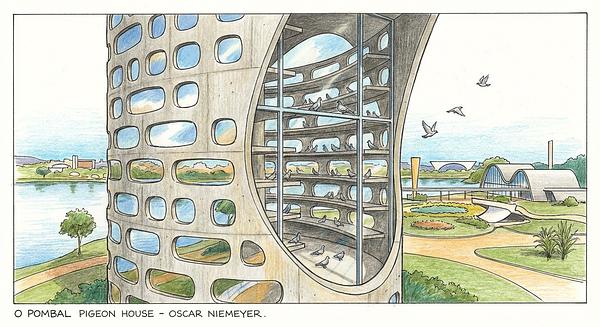
Example: Oscar Niemeyer’s O Pombal Pigeon House, Brasilia
- A large concrete tower designed with oblong mirrored openings and internal horizontal shelves provides hundreds of perching and roosting spots.
- The design encourages pigeons to use the structure rather than nesting in problematic urban building crevices.
Takeaways for Rescuers and Caregivers:
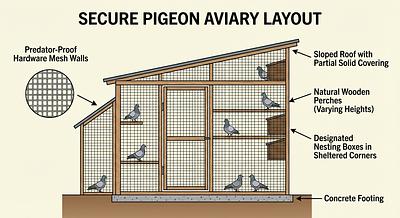
- Designing or adapting aviaries with multiple perch levels mimics natural pigeon environments.
- Openings sized to allow pigeon entry but exclude predators enhance safety.
- Ventilation and shade are critical to prevent overheating and promote comfort.
Incorporating architectural principles into pigeon housing can dramatically improve welfare and reduce stress.
Case Study 3: Housing Mixed Flocks and Managing Social Dynamics
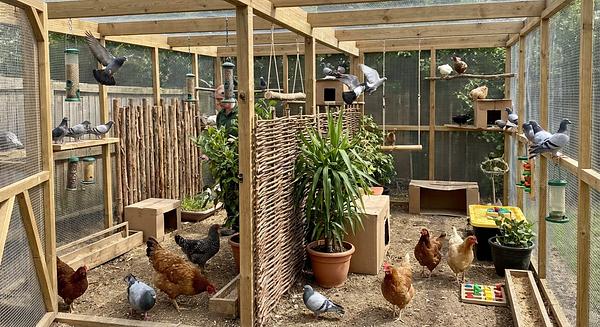
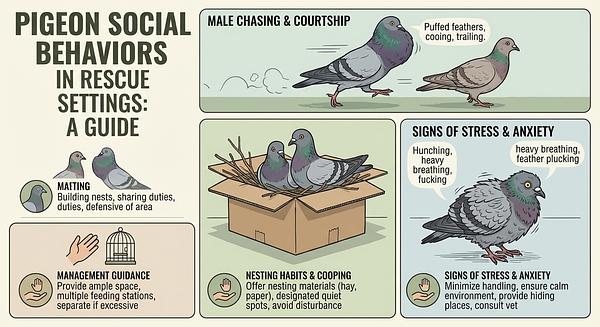
In some rescue settings, experienced caregivers have successfully housed pigeons with other species, such as chickens, with proper setup. However, pigeon social behaviors can be complex:
- Males may chase or fight, necessitating observation and occasional intervention.
- Providing multiple feeding and watering stations prevents dominant birds from excluding others.
- Quiet cage time for individual birds daily supports recovery and reduces stress.
Practical Recommendations:
- Use large enclosures with visual barriers and multiple perches.
- Observe flock interactions closely, especially when introducing new birds.
- Provide enrichment like foraging opportunities and objects to explore.
Actionable Steps for Creating Safe Pigeon Habitats
- Assess Individual Needs: Health status, age, and temperament influence housing choices.
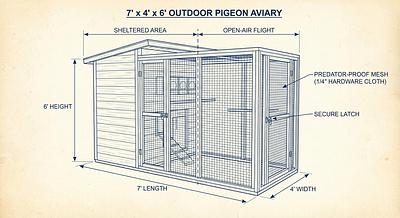
- Provide Secure Housing: Use cages or aviaries with predator-proofing and adequate ventilation.
- Ensure Comfortable Surfaces: Soft mats and wrapped perches protect feet and joints.
- Create Social Opportunities: Allow gradual introduction to flock mates with supervision.
- Design for Accessibility: Food and water should be easily reachable for all birds, especially those with mobility issues.
- Incorporate Environmental Enrichment: Natural perches, dust baths, and toys reduce stress.
- Monitor and Adapt: Be ready to modify housing as birds adjust or as health needs change.
Conclusion
Creating safe, supportive habitats for rescued pigeons requires a nuanced understanding of their physical and social needs. Case studies from sanctuary care and urban architectural design provide valuable models that emphasize spacious, secure, and enriching environments. Caregivers should remain flexible, observant, and responsive to individual birds’ conditions to promote recovery and well-being.
💬 Comments (0)