

Pigeon Rescue and Rehabilitation: Seasonal Considerations and Best Practices
Pigeon rescue and rehabilitation require a nuanced approach that adapts to seasonal variations, ensuring optimal care for these resilient birds throughout the year. This article provides detailed guidance on rescue techniques and rehabilitation processes, emphasizing how seasonal factors influence each step.
Understanding Pigeon Rescue
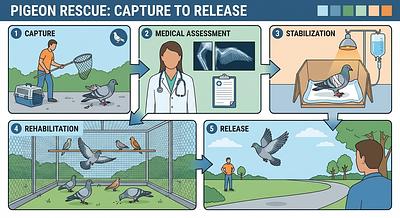
Rescuing a pigeon begins with a proper assessment of its condition, age, and environment. Immediate steps include safely capturing the bird, preventing further injury, and providing a warm, secure holding environment. Seasonal weather changes profoundly affect these initial actions.
Initial Rescue Steps
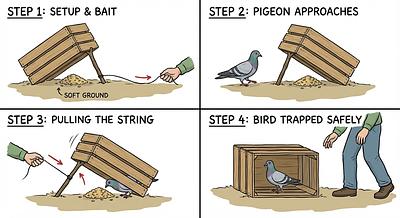
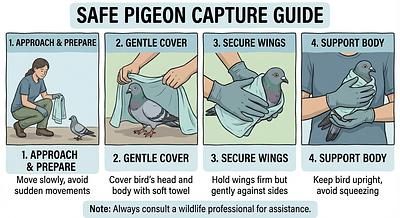
- Safe Capture: Approach calmly; at dusk or dawn if daytime attempts fail, gently hold the wings to avoid injury.
- Containment: Use a well-ventilated box lined with a non-slip material (e.g., towel) to prevent leg splay.
- Isolation: Keep the pigeon away from other animals to reduce stress and transmission of diseases.
Seasonal Impact on Rescue
- Winter: Pigeons are vulnerable to hypothermia; immediate warming is critical. Use insulated carriers and avoid prolonged exposure during transport.
- Summer: Heat stress and dehydration are risks; ensure shade and hydration immediately.
- Spring/Fall: Transitional seasons may see an increase in fledglings requiring rescue due to weather variability.
Rehabilitation Process
Stages of Rehabilitation
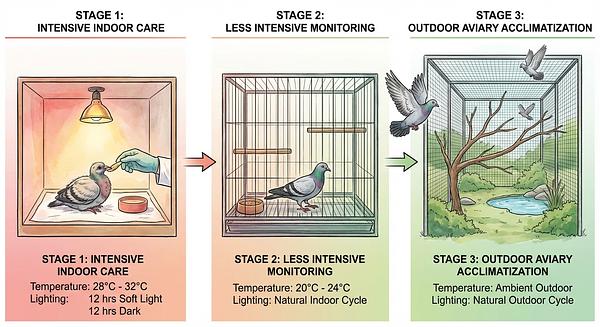
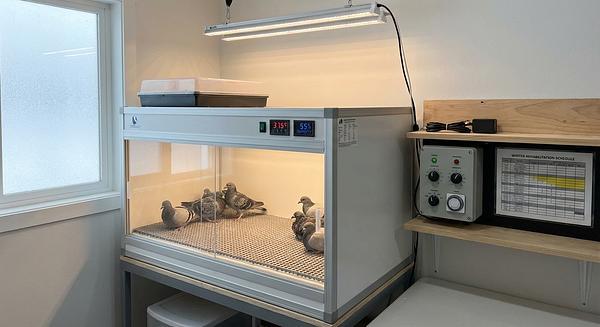
- Intensive Care (Indoor): For severely injured or weak pigeons, maintain ambient temperatures between 25–30°C (77–86°F) with controlled lighting mimicking natural day length.
- Less Intensive Monitoring: Once stable, birds can be moved to larger enclosures with perches to encourage movement.
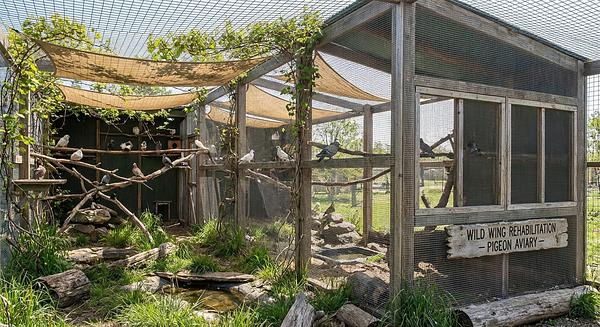
- Outdoor Aviary: Final acclimation in a secure, predator-proof aviary promotes natural behaviors and flight training.
Seasonal Rehabilitation Adjustments
- Winter: Maintain higher ambient temperatures indoors; minimize outdoor time to prevent cold stress.
- Summer: Provide ample ventilation and water; avoid overheating in enclosures.
- Spring: Increase outdoor exposure as temperatures rise to encourage natural development in fledglings.
Feeding and Hydration
- Use species-appropriate diets, often hand-feeding nestlings with specialized formulas.
- Hydration is especially crucial in summer; monitor for signs of dehydration.
Health Monitoring
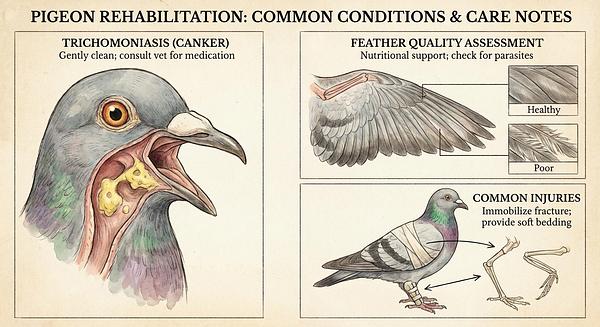
- Watch for common issues such as Trichomoniasis, feather quality problems, and injuries.
- Seasonal disease prevalence can vary; for example, parasitic infections might spike in warmer months.
Release Considerations
- Release only healthy, alert, and fully feathered pigeons.
- Choose release sites near where the bird was found to facilitate reintegration with the local flock.
- Seasonal timing matters: avoid releases in extreme weather; spring and fall are ideal.
Practical Tips for Rescuers and Caregivers
- Use barrier nursing techniques to prevent disease spread during rehabilitation.
- Limit handling to reduce stress and feather damage.
- Provide environmental enrichment suited to the season, such as shaded areas in summer and sheltered spots in winter.
- Collaborate with avian veterinarians for medical care and guidance.
Conclusion
Effective pigeon rescue and rehabilitation depend on recognizing and adapting to seasonal challenges. By tailoring care protocols to temperature, humidity, and life cycle stages, rescuers can significantly improve survival and successful release rates. Continuous education and adherence to best practices ensure pigeons receive compassionate, knowledgeable support year-round.
This article draws on protocols from expert wildlife rehabilitation resources and pigeon rescue organizations to present a comprehensive, seasonally aware approach to pigeon care.
💬 Comments (0)